

Bangkok Culture: Complete Guide (2026)
National Museum Bangkok
At a glance
Best for
- Families with children
- History enthusiasts
Not ideal for
- Very young toddlers
- Short visits
Highlights
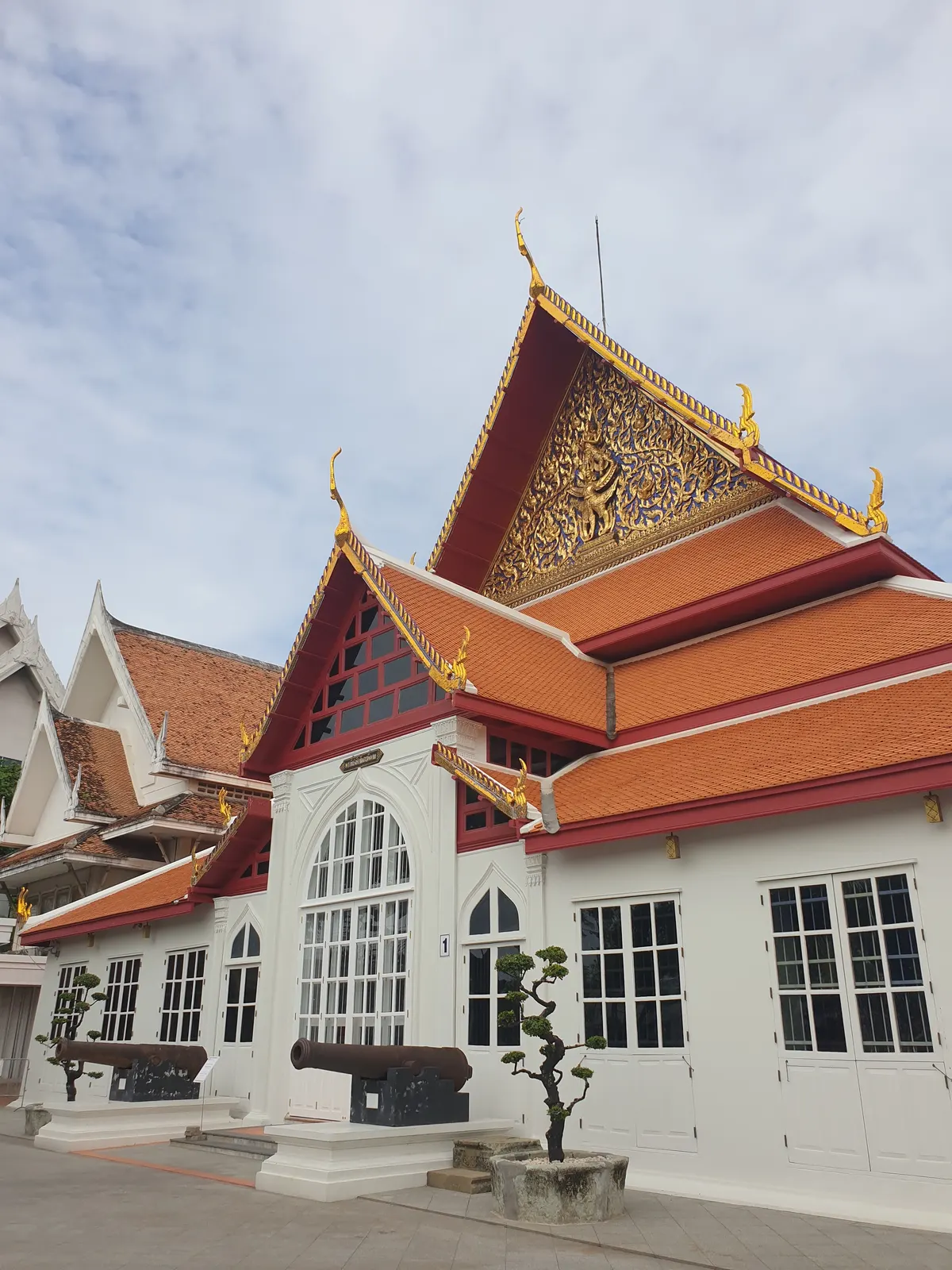
- Features centuries-old Siamese treasures and royal antiques — visitors can explore exhibits housed in an 18th-century palace.
- Rated 4.7 based on 9,710 reviews, with 76.4% giving it five stars, making it a highly recommended spot for families.
Why National Museum Bangkok matters culturally
Why this place is special
The National Museum Bangkok is located in the former palace of the vice king and is the main branch museum of Thailand's national museums. It provides a comprehensive view of Thai history and culture, making it an engaging experience for children and adults alike.
Date planning tips
Plan your visit on a Wednesday to avoid crowds since the museum is closed on Mondays and Tuesdays. Consider arriving early in the morning for a quieter experience, and check the ticket options for any special events or exhibitions.
Tickets & pricing
Typical prices for National Museum Bangkok — confirm ticket options before you travel.
| Ticket type | Price |
|---|---|
| General Admission | Check tickets |
- check tickets for any special exhibitions or events that may require advance booking.
Practical information
Opening hours & best time to visit
- Weekday mornings are quietest.
- Check holiday hours before traveling to Bangkok.
Tickets & passes
- Price guide: Check tickets.
- Verify city card compatibility before you buy.
Food & breaks
- See nearby recommendations below.
- Plan a mid-visit break to avoid rushing.
Suggested visit plan
Suggested Visit Plan
10:00
Arrive and Explore
Start your visit with a general overview of the museum layout and highlight exhibits to see.
11:00
Interactive Exhibits
Engage with interactive exhibits that are particularly designed for children to learn about Thai history in a fun way.
12:30
Lunch Break
Take a break at the museum's restaurant, which offers a variety of options suitable for kids.
1:30
Continue Exploring
Visit remaining galleries and special exhibits, ensuring to allow time for questions and discussions with your children.
3:00
Wrap Up
Conclude your visit by browsing the museum shop for souvenirs and educational materials.
Nearby museums & heritage sites
Cultural sights stay in this guide; food picks open in Google Maps.
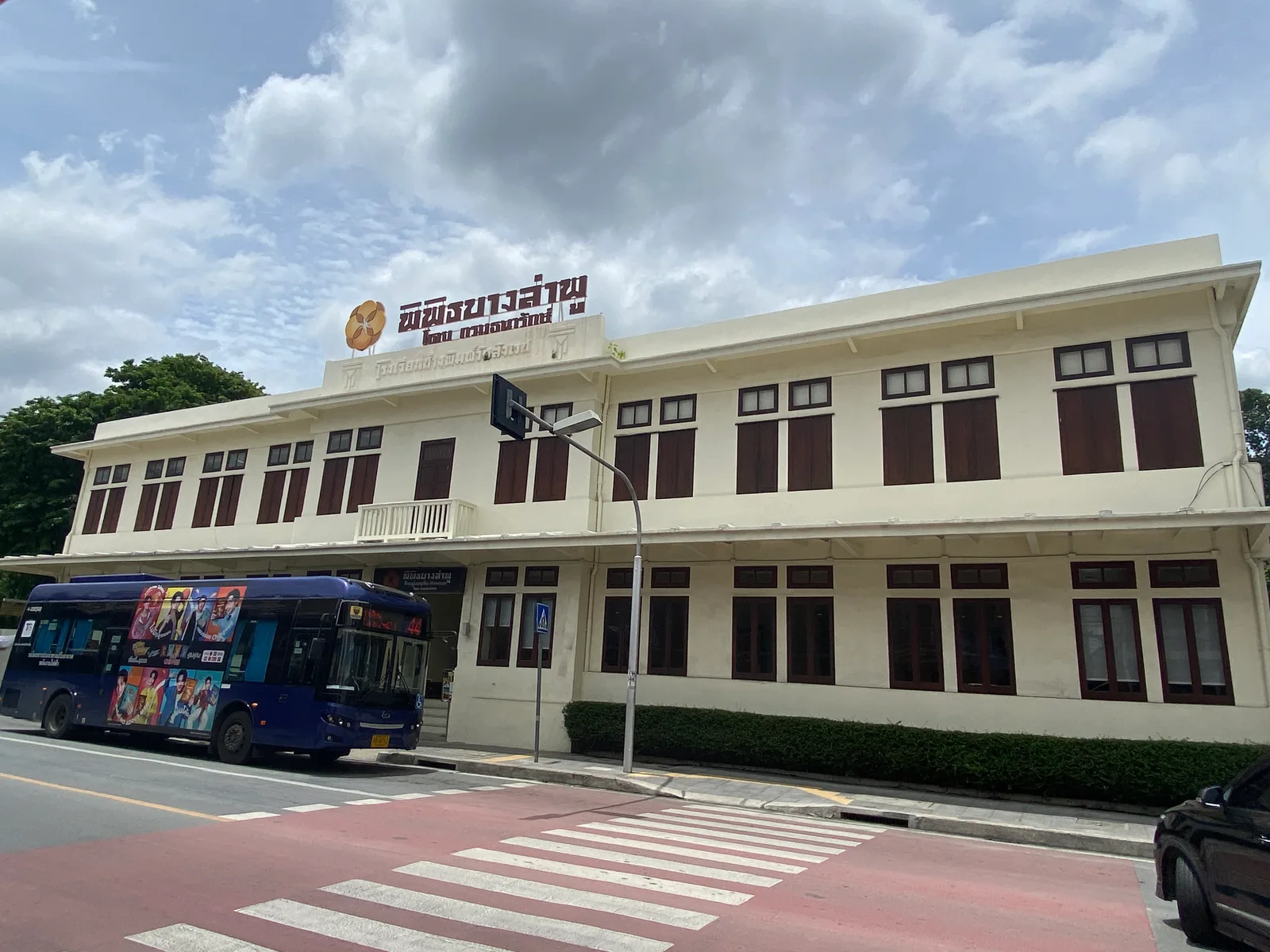
Cultural sites near National Museum Bangkok


Cafés near the museum quarter
Similar cultural alternatives
If National Museum Bangkok is sold out, these sites cover a similar theme or era.

3 mistakes to avoid at National Museum Bangkok
Mistake 1
Ignoring the museum's closure days
The museum is closed on Mondays and Tuesdays, so plan your visit accordingly.
Mistake 2
Underestimating the time needed
Allocate at least 2-3 hours to fully explore the exhibits without feeling rushed.
Mistake 3
Not checking for special exhibits
Always check the ticket options for current exhibits or events that might be of interest to kids.
Traveler reviews
Joon K
★★★★★5 months agoVisiting the Bangkok National Museum is not merely about viewing artifacts; it is more like tracing the journey of how Thailand has constructed its own history and national identity. One of the largest museums in Southeast Asia, it brings together the arc of Thai history—from prehistoric cultures to the present Rattanakosin era—within a single complex. The museum was established in the late nineteenth century during the reign of King Chulalongkorn (Rama V). At that time, Thailand was under intense pressure from Western colonial powers and was in the process of modernizing its state structure. The monarchy recognized the need to systematize and present a coherent national identity. As a result, royal collections and artifacts from across the kingdom were gathered to form a national museum. In this sense, the museum is not simply an exhibition space, but a symbolic project through which modern Thailand defined itself and positioned its heritage within a global context. The exhibitions are organized chronologically. They begin with prehistoric cultures and the influences of Dvaravati and Srivijaya, then move through the Sukhothai period, the grandeur of Ayutthaya art, and finally to the royal artifacts of the Rattanakosin era. The Buddha images are arguably the highlight. One can compare in a single visit the graceful, fluid lines of Sukhothai sculpture, the more authoritative and monumental forms of Ayutthaya, and the increasingly decorative tendencies of later periods. It offers a clear visual narrative of Thai art history. The gallery displaying the royal funeral chariots is particularly striking. Their immense scale and intricate craftsmanship transcend the category of mere ceremonial objects; they dramatically illustrate how closely intertwined monarchy and Buddhist ritual have been in Thai society. Standing before them, one gains an immediate sense of the symbolic and religious stature of the Thai kingship. The buildings themselves are meaningful. Some stand on what was once part of the old royal palace grounds, and their architecture blends traditional Thai forms with Western elements. This fusion visually reflects Thailand’s strategy during modernization—maintaining tradition while selectively adopting Western systems. Because of the museum’s vast size, it is best visited with ample time—at least two or three hours. Rather than simply admiring beautiful objects, paying attention to stylistic transitions and historical shifts makes the experience far more rewarding. If visiting temples allows one to encounter living faith directly, the Bangkok National Museum provides the structural and historical framework that shaped that faith and culture. For anyone wishing to understand the broader context of Thai history and civilization, it is an essential stop. One particularly striking realization is that, although it may be difficult to imagine today given the reversal of political fortunes, many of Thailand’s finest ancient Buddha images are actually Khmer in style—what we now associate with Cambodia. It would not be entirely inaccurate to say that until the Ayutthaya period, much of early Thai art was profoundly shaped by Khmer civilization. Only in the Siamese era did Thailand begin to develop a distinct path separate from Khmer influence, yet even that evolution was nourished by Khmer foundations. Walking through the galleries, one cannot help but feel that history moves in cycles.
Karel
★★★★★a month agoAs a museum lover, I was absolutely impressed by this place. If you’re curious about the history of Thailand from its earliest beginnings to the present day, this is one of the best places to visit. The museum features a vast collection of artifacts and fascinating exhibits that showcase the country’s culture, traditions, and way of life throughout the centuries. I also learned a great deal about the history of Buddhism and its influence on Thai society. The exhibits are informative, well organized, and engaging. I highly recommend this museum to anyone interested in history, culture, or simply gaining a deeper understanding of Thailand. Enjoy your visit!
Selected reviews sourced from Google Maps.
Frequently asked questions
FAQ for National Museum Bangkok Family Visit with Kids
What are the opening hours for the National Museum Bangkok?
The museum is open Wednesday from 8:30 am to 4 pm and is closed on Mondays and Tuesdays.
Is the museum suitable for young children?
Yes, the museum has engaging exhibits that are good for children aged 6-12.
Is there food available at the museum?
Yes, there is a restaurant on-site that offers options suitable for families.
Can I bring a stroller into the museum?
Yes, the National Museum is stroller-friendly with accessible entrances.
How can I get to the museum from the city center?
The museum is approximately a 15-minute walk from the central transit station.
Download cultural itinerary PDF
Museum map, festival calendar, and heritage walk for Bangkok — coming soon.
PDF export launches soon — bookmark this guide meanwhile.
Book Bangkok culture passes
Museum passes, audio guides, and concert tickets — affiliate links help keep this guide free.