
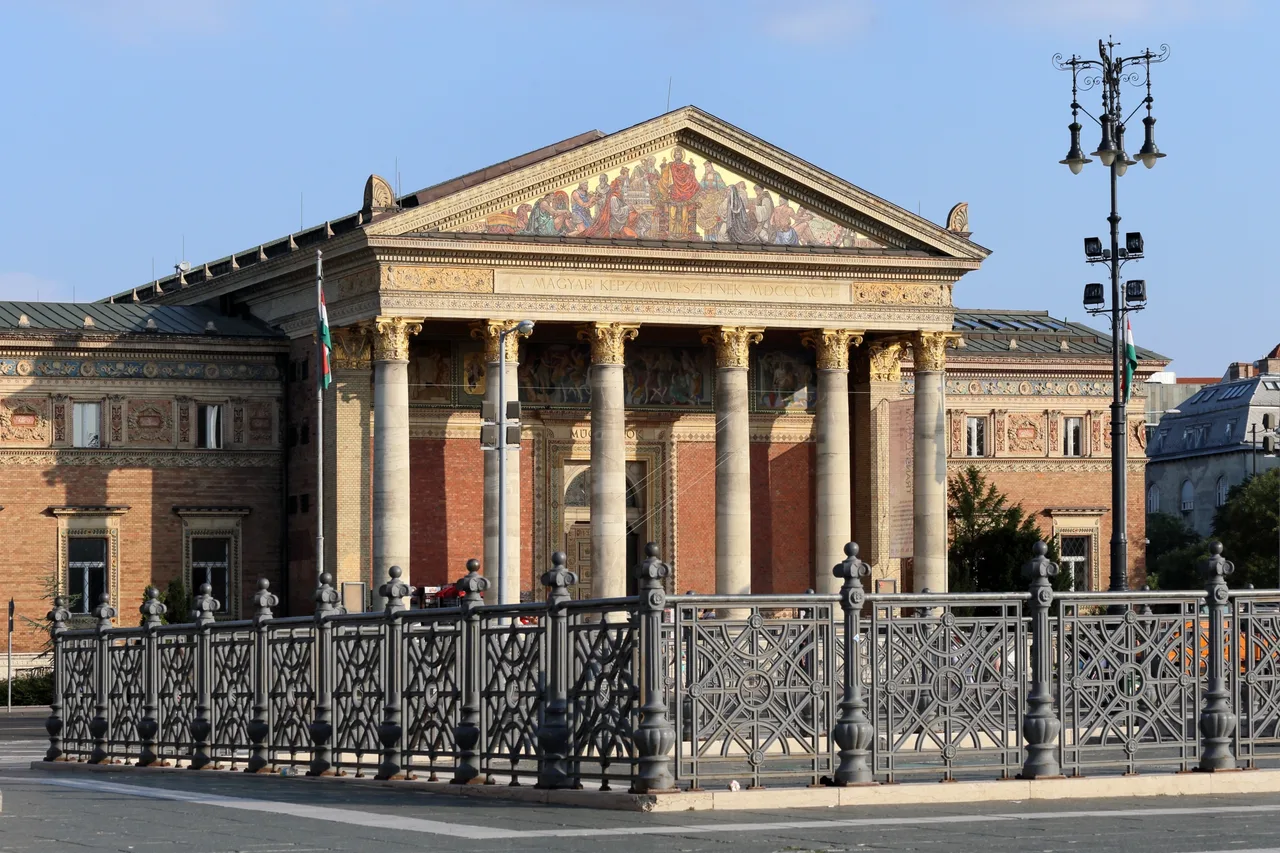
Budapest · Hungary
Budapest Culture Guide: Art, History & Local Traditions (2026)
Budapest's vibrant culture is shaped by its rich history, stunning architecture, and lively traditions, making it a unique destination for cultural exploration.
The culture of Budapest is a vibrant tapestry woven from its rich history, diverse architecture, and contemporary art scene. With a blend of historical landmarks and modern cultural expressions, Budapest offers a unique experience through its museums, galleries, and living traditions. Visitors can explore significant institutions like the Hungarian National Museum and the Museum of Fine Arts, while also enjoying local experiences such as the Central Market Hall and the café culture prevalent in the Jewish Quarter. Planning a visit during one of the many festivals, such as the Budapest Spring Festival, adds to the cultural immersion. In short, culture in Budapest is a mix of world-class collections and everyday rituals — café habits, markets and seasonal festivals — not a checklist of landmarks alone. Use this guide to sequence Kunsthalle (Műcsarnok), Travelling Galaxy Interactive Live Exhibition, Zwack Unicum Museum, Mika Tivadar Secret Museum, book timed tickets for the busiest museums, and leave room for architecture walks and neighborhood evenings that reveal local identity.
Key takeaways: culture in Budapest
- 15+ museums showcasing art, history, and contemporary culture.
- 2 UNESCO World Heritage Sites: Buda Castle and the Banks of the Danube.
- Typical museum entry fees range from €5 to €15.
- Recommended stay for cultural immersion: 3-4 days.
- Major festivals include Budapest Spring Festival (April) and Sziget Festival (August).
Essential tips
- Book museum tickets in advance to avoid long lines.
- Explore cultural districts like the Jewish Quarter and Castle District for a mix of history and modern culture.
- Try traditional Hungarian dishes at local cafés and markets.
- Check the calendar for local festivals when planning your visit for a richer cultural experience.
- Use public transport for convenient access to various cultural sites across the city.
Culture snapshot for Budapest
Scan the cultural DNA before diving into museums, districts and festivals.
What defines culture?
- A blend of historical influences from the Ottoman and Austro-Hungarian Empires, evident in architecture and traditions.
Perfect for
- Art enthusiasts, history buffs, and food lovers seeking authentic experiences.
Cultural highlights in Budapest
Key museums, heritage sites, districts and cultural landmarks ranked by importance — optimized for planning and search snippets.
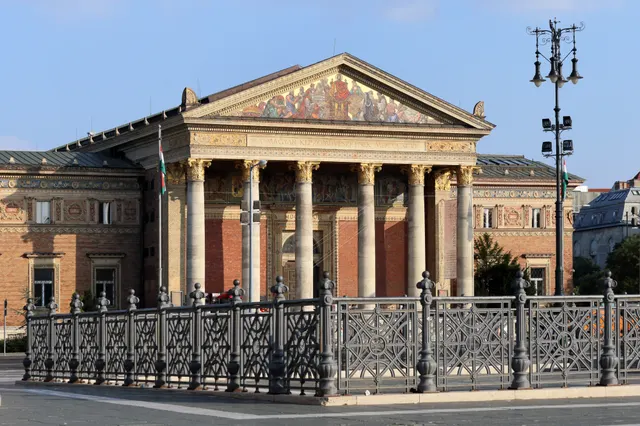
Kunsthalle (Műcsarnok)
Kunsthalle (Műcsarnok) is an important cultural venue showcasing contemporary art exhibitions, providing a unique perspective on the art scene.
🎨 Museum⏱ 2–3 hours⭐ 8/10📍 City Park
View details →
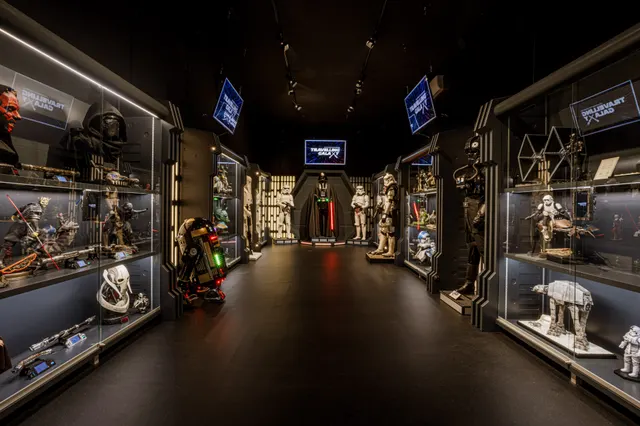
Travelling Galaxy Interactive Live Exhibition
At the Travelling Galaxy Interactive Live Exhibition, immerse yourself in a hands-on experience that brings the wonders of the universe to life.
🎨 Museum⏱ 1–2 hours⭐ 6/10📍 City Center
View details →

Zwack Unicum Museum
The Zwack Unicum Museum on Dandár Street provides an intriguing look into Hungary's famous herbal liqueur, complete with tastings and historical insights.
🎨 Museum⏱ 1–2 hours⭐ 7/10📍 City Center
View details →
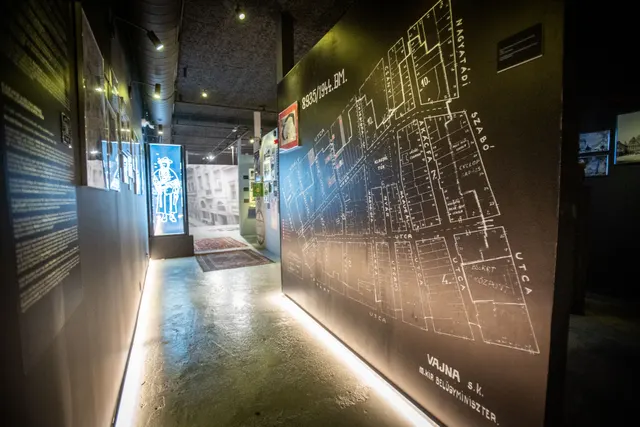
Mika Tivadar Secret Museum
Discover the quirky exhibits at Mika Tivadar Secret Museum, a hidden treasure on Kazinczy Street where art and history blend in unexpected ways.
🎨 Museum⏱ 1–2 hours⭐ 7/10📍 District VII
View details →
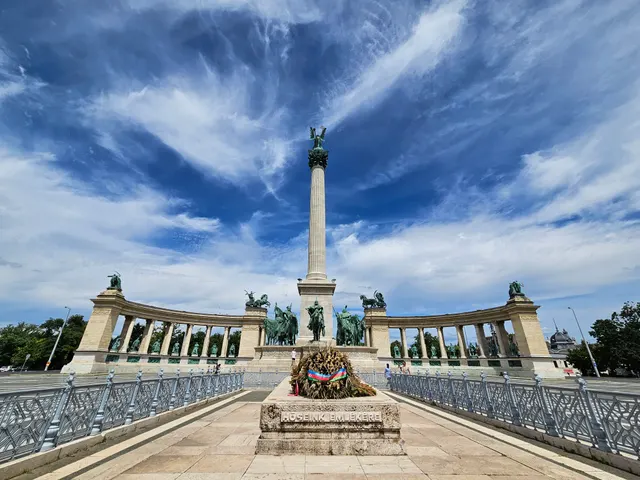
Millennium Monument
The Millennium Monument at Heroes' Square is an impressive landmark, providing a grand setting for romantic photos and shared memories.
🎨 Attraction⏱ 1 hour⭐ 9/10📍 Heroes' Square
View details →
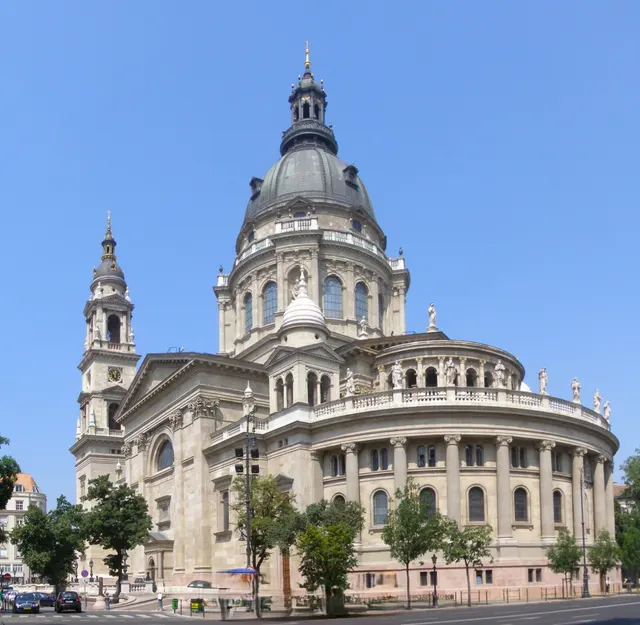
St. Stephen's Basilica
St. Stephen's Basilica is a stunning architectural masterpiece where you can admire beautiful interiors and possibly catch a concert together.
🎨 Attraction⏱ 1–2 hours⭐ 10/10📍 District V
View details →

Budapest Retro Élményközpont
Budapest Retro Élményközpont is a fun, nostalgic spot showcasing retro culture. It's an entertaining visit that won't break the bank.
🎨 Museum⏱ 1–2 hours⭐ 6/10📍 District VII
View details →

Hungarian Natural History Museum
The Hungarian Natural History Museum is an intriguing place to learn about the natural world. Its exhibits provide an affordable educational experience.
🎨 Museum⏱ 2–3 hours⭐ 7/10📍 District VIII
View details →

Museum Garden
Museum Garden provides a peaceful retreat with beautiful surroundings, perfect for a quiet moment or a casual stroll.
🎨 Museum⏱ 1 hour⭐ 5/10📍 District VIII
View details →
Museums & galleries in Budapest
Structured by type for long-tail museum searches — plan 2–4 hours per major institution.
Art Museums
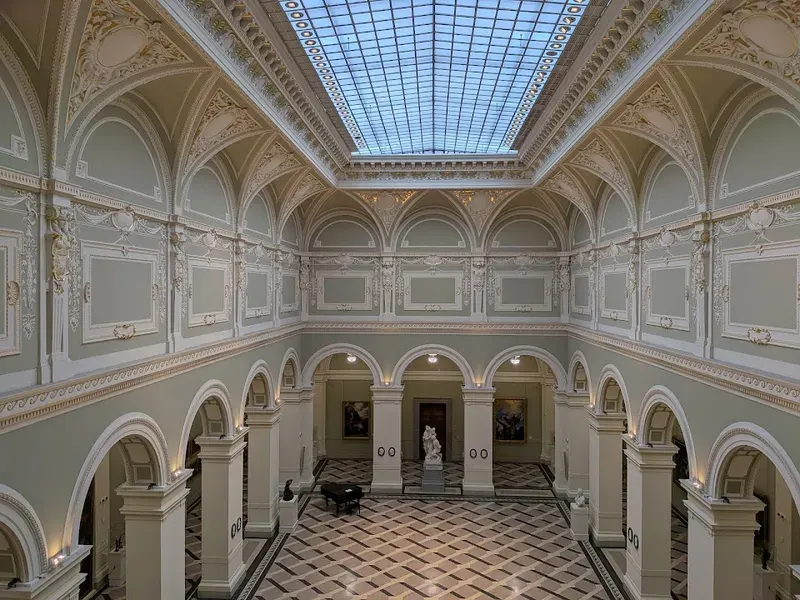
Museum of Fine Arts
Home to a vast collection of European art, this museum showcases masterpieces from renowned artists.
⏱ 2-3 hours⭐ 10/10💰 €10
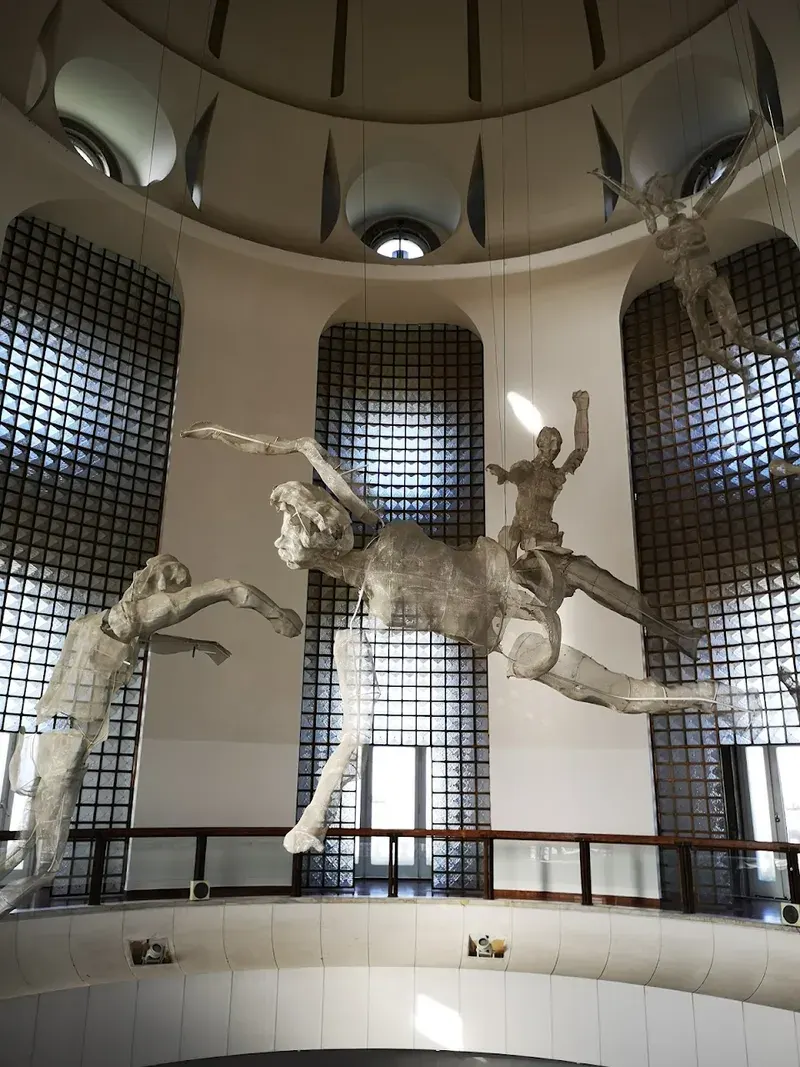
Hungarian National Gallery
Focuses on Hungarian art, featuring works from the Middle Ages to the 20th century.
⏱ 1-2 hours⭐ 10/10💰 €10
History Museums
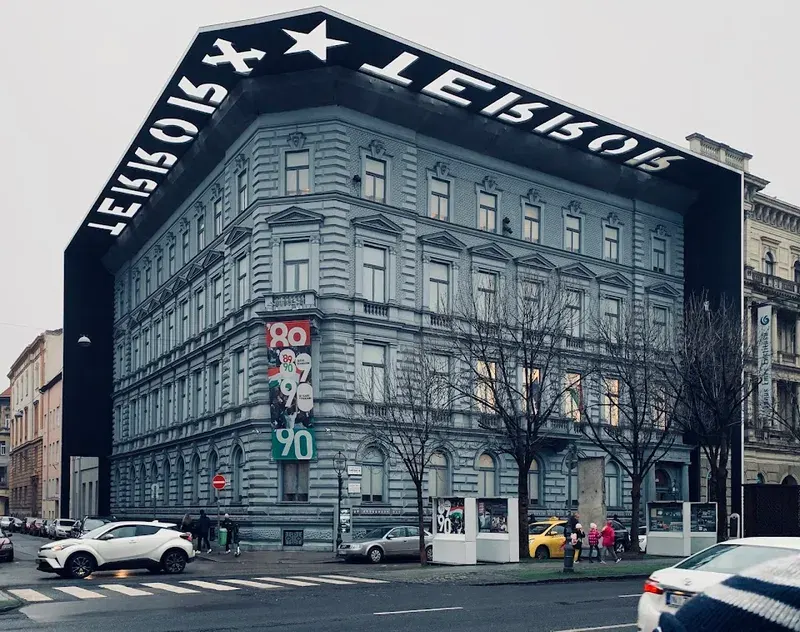
House of Terror Museum
Dedicated to the victims of totalitarian regimes, this museum offers a profound insight into Hungary's troubled past.
⏱ 1-2 hours⭐ 10/10💰 €10
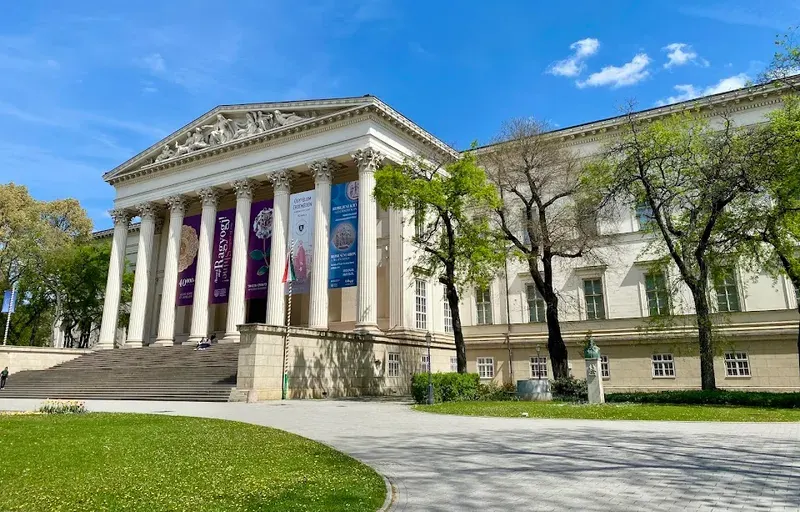
Hungarian National Museum
This museum chronicles Hungary's history through a rich collection of artifacts.
⏱ 1-2 hours⭐ 10/10💰 €8

Museum of Ethnography
Showcases Hungary's cultural heritage through diverse collections and exhibitions.
⏱ 1-2 hours⭐ 9/10💰 €7

Aquincum Museum
An archaeological museum showcasing the ruins of an ancient Roman city.
⏱ 1-2 hours⭐ 9/10💰 €8

Hungarian Railway Museum
Showcases the history of Hungary's railways with a collection of vintage trains.
⏱ 1-2 hours⭐ 8/10💰 €5
Contemporary & Independent Art
Kunsthalle (Műcsarnok)
A contemporary art exhibition space that reflects the modern art scene in Hungary.
⏱ 1-2 hours⭐ 10/10💰 €5
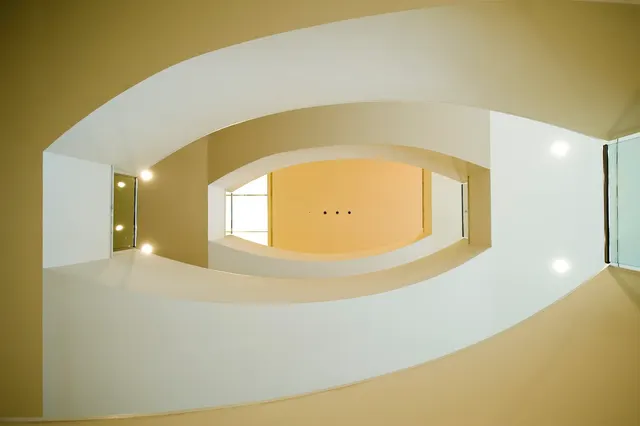
Ludwig Museum
Dedicated to contemporary art, featuring innovative works and exhibitions.
⏱ 1-2 hours⭐ 9/10💰 €9

Museum of Illusions
An interactive museum that challenges perceptions and provides a fun experience.
⏱ 1 hour⭐ 8/10💰 €10
Hotels near cultural sights in Budapest
Stays close to museums, heritage districts and the cultural stops in this guide.

Near Museums
Corinthia Budapest
4.7(6,408 reviews)A luxury hotel situated close to the Hungarian State Opera, blending elegance with cultural experiences.
Near the Opera House and cultural landmarks.Culture score: 9/10

Near Museums
Four Seasons Hotel Gresham Palace Budapest
4.8(4,359 reviews)A culture-focused base in Budapest — walk to museums, heritage sites and the stops in this guide.
3 min walk from Budapest Retro ÉlményközpontCulture score: 9.5/10
Near Museums
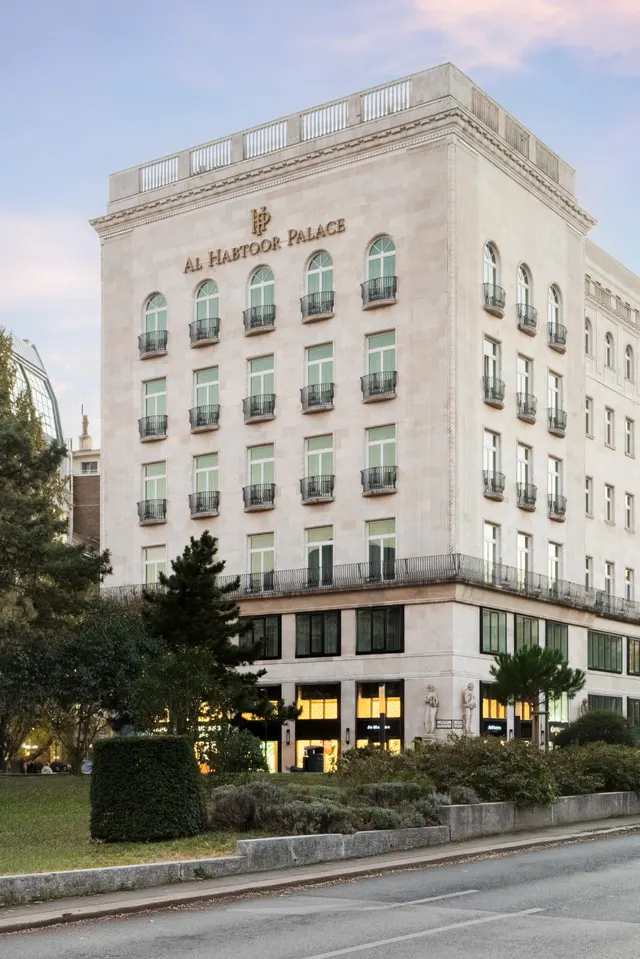
Al Habtoor Palace Budapest, Preferred Hotels & Resorts
4.7(2,175 reviews)A culture-focused base in Budapest — walk to museums, heritage sites and the stops in this guide.
3 min walk from Museum of IllusionsCulture score: 9.5/10
Near Museums
Hotel Zenit Budapest Palace
4.5(1,542 reviews)A culture-focused base in Budapest — walk to museums, heritage sites and the stops in this guide.
4 min walk from Madame Tussauds BudapestCulture score: 9/10
Architecture & heritage in Budapest
From merchant houses to modern design — how building styles reveal the city's history.
Gothic Revival
19th century
Characterized by pointed arches and intricate details, prominent in religious buildings.
Examples: Hungarian Parliament Building, St. Stephen's Basilica.
Baroque
17th-18th centuries
Known for its grandeur and elaborate decorations, often seen in palaces and churches.
Examples: Buda Castle, Gül Baba's Tomb.
Art Nouveau
Late 19th-early 20th centuries
Features organic forms and intricate details, particularly in residential buildings.
Examples: Gresham Palace, the Museum of Applied Arts.
Neoclassical
Late 18th-19th centuries
Emphasizes symmetry and simplicity, often used in public buildings.
Examples: Hungarian National Museum, the Academy of Sciences.
Local traditions & lifestyle in Budapest
Insider-level customs — origin, modern meaning and where to experience them today.
Hungarian Folk Dance
- Origin
- Rooted in rural traditions, showcasing the country's heritage.
- Modern meaning
- Celebrated in festivals and performances, representing national identity.
- Where to experience
- Cultural festivals like the Budapest Spring Festival.
Café Culture
- Origin
- Originated in the 18th century, serving as social hubs for intellectuals.
- Modern meaning
- Continues to be a vital part of daily life, where locals gather.
- Where to experience
- Cafés like Gerbeaud and New York Café.
Wine and Gastronomy
- Origin
- Influenced by Hungary's rich agricultural traditions.
- Modern meaning
- Showcases local produce and culinary arts in modern gastronomy.
- Where to experience
- Wine festivals and local markets.
Festivals & cultural events in Budapest
Seasonal highlights that reshape the city — plan around dates for the richest cultural experience.
Budapest Spring Festival
Spring · April 1-30
A celebration of arts and culture featuring performances, concerts, and exhibitions.
👥 Art enthusiasts and families.💰 Varies by event.⭐ Highlights Hungary's artistic heritage.
Sziget Festival
Summer · August 10-17
One of Europe's largest music and cultural festivals, attracting international artists.
👥 Young adults and music lovers.💰 €70-€300.⭐ Showcases contemporary music and culture.
Budapest Wine Festival
Fall · September 6-8
Celebrates Hungarian wines with tastings, workshops, and cultural events.
👥 Wine enthusiasts.💰 €10-€50.⭐ Promotes local viticulture.
Budapest Summer Arts Festival
Summer · Typically June–August
Open-air concerts, outdoor cinema and neighborhood stages that show how Budapest lives culture beyond museum walls.
👥 All ages💰 Many free / paid headline nights⭐ Living culture in public space
Budapest Heritage / Museum Night
Spring or Autumn · Usually one evening in May or September (verify yearly)
Timed evening openings when major museums and monuments stay open late with special programs.
👥 Culture travelers💰 Often free or reduced⭐ Access to flagship collections after hours
Budapest Music & Opera Season
Autumn–Spring · Typically September–June
Classical and contemporary programs in historic halls and modern venues across the season.
👥 Music lovers💰 Ticketed⭐ Performing arts identity
Cultural itineraries in Budapest
Ready-made routes from one-day highlights to deep three-day immersion and alternative repeat-visitor paths.
1 day
Cultural Day in Budapest
- 09:30Visit the Hungarian National Museum
- 12:00Lunch at a local café
- 14:00Explore the Museum of Fine Arts
- 17:00Stroll through Heroes' Square
3 days
Deep Cultural Exploration
Alternative
Off the Beaten Path
Flagship Budapest museums cap daily entries — book the timed slots on these routes first.
Book the paid stopsUnderstanding Budapest culture
Deep context for broad searches — history, art, identity and etiquette before you explore.
History That Shaped The City
Budapest's history is marked by its dual identity as Buda and Pest, separated by the Danube River. The city has seen significant influences from the Ottoman Empire, the Habsburg monarchy, and the Soviet era, each leaving its mark on the architecture and cultural landscape. Notable historical sites include Buda Castle, the Hungarian Parliament, and the House of Terror Museum, which reflects the city's complex past.
Art Movements
Budapest has been a hub for various art movements, particularly during the 19th and 20th centuries. The city has produced renowned artists such as László Moholy-Nagy and Victor Vasarely, who have contributed to modern art. Contemporary art is thriving in spaces like the Ludwig Museum and Kunsthalle, showcasing both local and international artists.
Architecture Evolution
Budapest's architecture is a tapestry of styles, from Gothic Revival seen in the Parliament Building to Art Nouveau in the Gresham Palace. The city's architectural diversity reflects its historical evolution and cultural influences, making it a visual delight for visitors. The eclectic styles represent the city's rich heritage and artistic ambitions.
Local Identity
The identity of Budapest is deeply rooted in its traditions, language, and culinary arts. The city is known for its vibrant café culture, where locals gather to discuss art and politics. Festivals like the Budapest Spring Festival and Sziget Festival celebrate this local identity, fostering a sense of community and pride among residents.
Traditions & Customs
Hungarian traditions are a blend of historical influences and modern practices. Folk dances, music, and culinary traditions play a vital role in cultural expression. Experiences such as visiting local markets and participating in festivals are essential for understanding the local way of life and the importance of community in Hungarian culture.
10 common cultural trip mistakes in Budapest
Stereotypes that waste time — and how to experience the city more deeply.
1. Focusing Only on Museums
Many travelers overlook the vibrant street life and local traditions that are equally important to Budapest's culture.
2. Neglecting Neighborhoods
Sticking only to tourist areas can lead to missing out on the authentic experiences found in local neighborhoods.
3. History-Only Tours
While history is important, neglecting contemporary culture and art can result in a one-dimensional view of Budapest.
4. Ignoring Festivals
Travelers often miss cultural festivals that provide insights into local life and traditions.
5. Not Booking in Advance
Popular museums and events can sell out, so advance booking is recommended to avoid disappointment.
6. Overlooking Local Cuisine
Travelers sometimes skip trying local dishes, which are an integral part of experiencing Budapest's culture.
7. Rushing Through Attractions
Taking time to enjoy each site and engage with locals enhances the cultural experience.
8. Skipping Guided Tours
Guided tours can provide deeper insights and context that enrich the understanding of Budapest's culture.
9. Not Using Public Transport
Budapest's public transport system is efficient and can help travelers explore the city more easily.
10. Ignoring Seasonal Events
Seasonal events and festivals are key to experiencing the city's culture, so plan visits around them.
Frequently asked questions
FAQ for Budapest Culture Guide: Art, History & Local Traditions (2026)
Is Budapest worth visiting for museums?
Yes, Budapest is definitely worth visiting for its museums. The city boasts over 30 museums, including the renowned Hungarian National Museum and Museum of Fine Arts, showcasing a rich array of art and history. Prioritize Kunsthalle (Műcsarnok), Travelling Galaxy Interactive Live Exhibition, Zwack Unicum Museum, Mika Tivadar Secret Museum, book timed tickets where required, cluster stops by district to cut transit time, and balance one major museum with a walk or living tradition each day in Budapest.
How many days do you need for Budapest culture?
A minimum of three days is recommended to fully appreciate Budapest's culture. This allows time to explore major museums, historical sites, and local traditions without feeling rushed. Prioritize Kunsthalle (Műcsarnok), Travelling Galaxy Interactive Live Exhibition, Zwack Unicum Museum, Mika Tivadar Secret Museum, book timed tickets where required, cluster stops by district to cut transit time, and balance one major museum with a walk or living tradition each day in Budapest.
What are some UNESCO World Heritage sites in Budapest?
Budapest features several UNESCO World Heritage sites, including the Banks of the Danube, Buda Castle, and the Andrássy Avenue. These sites reflect the city’s historical and architectural significance. Prioritize Kunsthalle (Műcsarnok), Travelling Galaxy Interactive Live Exhibition, Zwack Unicum Museum, Mika Tivadar Secret Museum, book timed tickets where required, cluster stops by district to cut transit time, and balance one major museum with a walk or living tradition each day in Budapest.
What neighborhoods should I explore for culture in Budapest?
Key neighborhoods for cultural exploration include the Jewish Quarter, Castle District, and Erzsébetváros. Each area offers a unique blend of history, art, and local life. Prioritize Kunsthalle (Műcsarnok), Travelling Galaxy Interactive Live Exhibition, Zwack Unicum Museum, Mika Tivadar Secret Museum, book timed tickets where required, cluster stops by district to cut transit time, and balance one major museum with a walk or living tradition each day in Budapest.
What is the best time to visit Budapest for cultural events?
The best times to visit for cultural events are during the spring (March to May) and fall (September to November) when festivals like the Budapest Spring Festival and Budapest Wine Festival take place. Prioritize Kunsthalle (Műcsarnok), Travelling Galaxy Interactive Live Exhibition, Zwack Unicum Museum, Mika Tivadar Secret Museum, book timed tickets where required, cluster stops by district to cut transit time, and balance one major museum with a walk or living tradition each day in Budapest.
What cultural etiquette should I be aware of in Budapest?
In Budapest, it's polite to greet with a handshake and use titles when addressing locals. Tipping around 10-15% in restaurants is customary, and it's appreciated to say 'köszönöm' (thank you) in Hungarian. Prioritize Kunsthalle (Műcsarnok), Travelling Galaxy Interactive Live Exhibition, Zwack Unicum Museum, Mika Tivadar Secret Museum, book timed tickets where required, cluster stops by district to cut transit time, and balance one major museum with a walk or living tradition each day in Budapest.
Are there free cultural activities in Budapest?
Yes, there are several free cultural activities in Budapest, including visiting parks, exploring historical neighborhoods, and attending open-air festivals during the summer months. Prioritize Kunsthalle (Műcsarnok), Travelling Galaxy Interactive Live Exhibition, Zwack Unicum Museum, Mika Tivadar Secret Museum, book timed tickets where required, cluster stops by district to cut transit time, and balance one major museum with a walk or living tradition each day in Budapest.
What is the café culture like in Budapest?
Budapest's café culture is vibrant and historic, with many cafés dating back to the 19th century. They serve as social hubs where locals gather to enjoy coffee, pastries, and conversation. Prioritize Kunsthalle (Műcsarnok), Travelling Galaxy Interactive Live Exhibition, Zwack Unicum Museum, Mika Tivadar Secret Museum, book timed tickets where required, cluster stops by district to cut transit time, and balance one major museum with a walk or living tradition each day in Budapest.
What festivals are celebrated in Budapest?
Budapest hosts numerous festivals throughout the year, including the Budapest Spring Festival (mid-March to early April) and the Sziget Festival (August), showcasing music, arts, and local culture. Prioritize Kunsthalle (Műcsarnok), Travelling Galaxy Interactive Live Exhibition, Zwack Unicum Museum, Mika Tivadar Secret Museum, book timed tickets where required, cluster stops by district to cut transit time, and balance one major museum with a walk or living tradition each day in Budapest.
How can I book tickets for museums in Budapest?
Tickets for museums in Budapest can be booked online through their official websites or at the museum entrance. Booking in advance is recommended to avoid long queues. Prioritize Kunsthalle (Műcsarnok), Travelling Galaxy Interactive Live Exhibition, Zwack Unicum Museum, Mika Tivadar Secret Museum, book timed tickets where required, cluster stops by district to cut transit time, and balance one major museum with a walk or living tradition each day in Budapest.
What types of art can I find in Budapest?
Budapest offers a diverse range of art, from classical works in the Museum of Fine Arts to contemporary pieces in the Ludwig Museum. Street art is also a vibrant part of the city's culture. Prioritize Kunsthalle (Műcsarnok), Travelling Galaxy Interactive Live Exhibition, Zwack Unicum Museum, Mika Tivadar Secret Museum, book timed tickets where required, cluster stops by district to cut transit time, and balance one major museum with a walk or living tradition each day in Budapest.
Is Budapest worth visiting for museums and culture?
Yes — Budapest rewards museum-first travelers with dense collections and living traditions beyond postcard landmarks. Anchor days around Kunsthalle (Műcsarnok), Travelling Galaxy Interactive Live Exhibition, Zwack Unicum Museum, Mika Tivadar Secret Museum, book timed tickets for the busiest rooms, and leave evenings for neighborhoods, food rituals, or a quieter gallery so culture feels local rather than checklist-driven.
What is Budapest famous for culturally?
Budapest is known for layered history, major museum collections, distinctive architecture and living traditions that blend heritage with contemporary creativity.
Are there UNESCO World Heritage sites in Budapest?
Check the architecture and highlights sections for verified UNESCO-listed districts, monuments or historic ensembles in and around Budapest.
Which neighborhoods have the strongest cultural identity?
Historic cores and museum quarters anchor first visits; residential and creative districts reveal how locals actually live and make art.
How many days do you need for culture in Budapest?
Two days covers flagship museums and old town walks; three to four days allow festivals, independent galleries and deeper neighborhood time.
Do I need to book museum tickets in advance?
For top-tier national museums yes — timed entry prevents queue fatigue. Smaller municipal museums often allow same-day tickets.
What is the best season for cultural travel to Budapest?
Spring and autumn balance comfortable walking weather with festival seasons. Winter suits museum-heavy itineraries.
Are there free cultural attractions in Budapest?
Many cities offer free historic districts, churches, markets and select museum hours — see the highlights and traditions sections.
Is Budapest good for architecture lovers?
Use the architecture section to trace the city's verified local styles, landmark buildings and periods of urban change.
More culture guides beyond Budapest
Compare museums, heritage districts and local traditions in other TripByMood destinations.
Get free Budapest culture guide
Offline cultural map, museum shortlist, festival calendar and itinerary timeline — coming soon.
PDF export launches soon — bookmark this guide meanwhile.
Book your cultural Budapest trip
Museum passes, guided tours and audio guides — affiliate links help keep this guide free.
Explore Budapest Museums
City cards and multi-museum tickets for skip-the-line entry.
Compare passes →Cultural Tours in Budapest
Expert-led walks through historic districts and museum quarters.
Book tour →Audio Guides for Museums
Self-paced museum and architecture commentary on your phone.
Get audio guide →Concert Tickets in Budapest
Opera, classical and live venues that sell out weeks ahead.
See what is on →