
Rome · Italy
Rome Culture Guide: Art, History & Local Traditions (2026)
museums, architecture, cultural districts, festivals, traditions that shape identity
Rome's culture is a vibrant tapestry woven from its rich history, artistic heritage, and living traditions, making it a unique destination for cultural exploration. The city boasts numerous museums, such as the Vatican Museums and Palazzo delle Esposizioni, which showcase both classical and contemporary art. Living traditions, like bustling markets and lively piazzas, reflect the everyday life of Romans and their culinary delights. Planning your visit around cultural festivals and local events can enhance your experience, allowing you to engage with the city's dynamic culture in a meaningful way. In short, culture in Rome is a mix of world-class collections and everyday rituals — café habits, markets and seasonal festivals — not a checklist of landmarks alone. Use this guide to sequence Vatican Museums, Roman Forum, Colosseum, Palazzo delle Esposizioni, book timed tickets for the busiest museums, and leave room for architecture walks and neighborhood evenings that reveal local identity.
Key takeaways: culture in Rome
- 50+ museums and galleries showcasing art and history.
- 6 UNESCO World Heritage Sites including the historic center of Rome.
- Typical museum ticket prices range from €10 to €20.
- Best time for festivals is spring and autumn.
- 3-4 days recommended to explore Rome's cultural offerings.
Essential tips
- Book museum tickets in advance to avoid long lines.
- Explore local neighborhoods like Trastevere for authentic dining experiences.
- Check for cultural festivals during your visit for unique experiences.
- Use public transport for easy access to major cultural sites.
- Visit museums on weekdays for a quieter experience.
Culture snapshot for Rome
Scan the cultural DNA before diving into museums, districts and festivals.
What defines culture?
- Rome's culture is a rich tapestry woven from ancient history, art, and vibrant local traditions.
Perfect for
- History enthusiasts, art lovers, and foodies seeking authentic Italian experiences.
Cultural highlights in Rome
Key museums, heritage sites, districts and cultural landmarks ranked by importance — optimized for planning and search snippets.
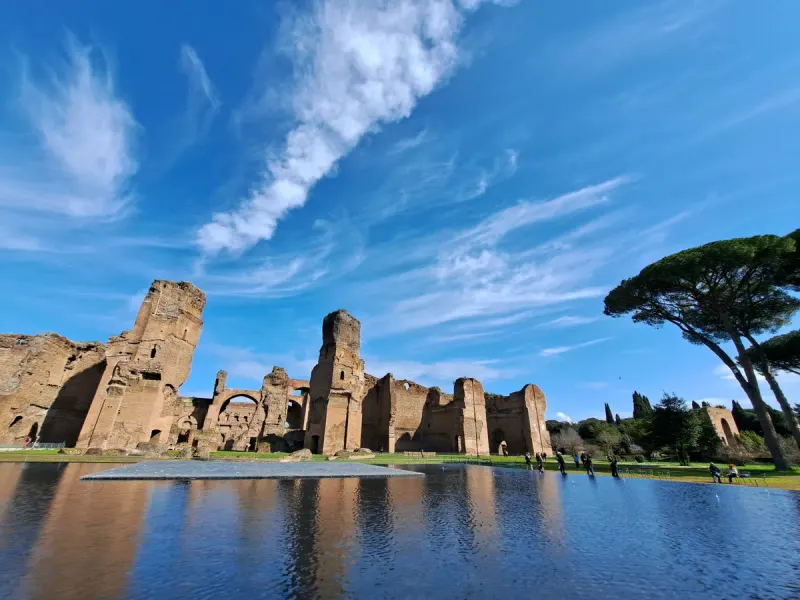
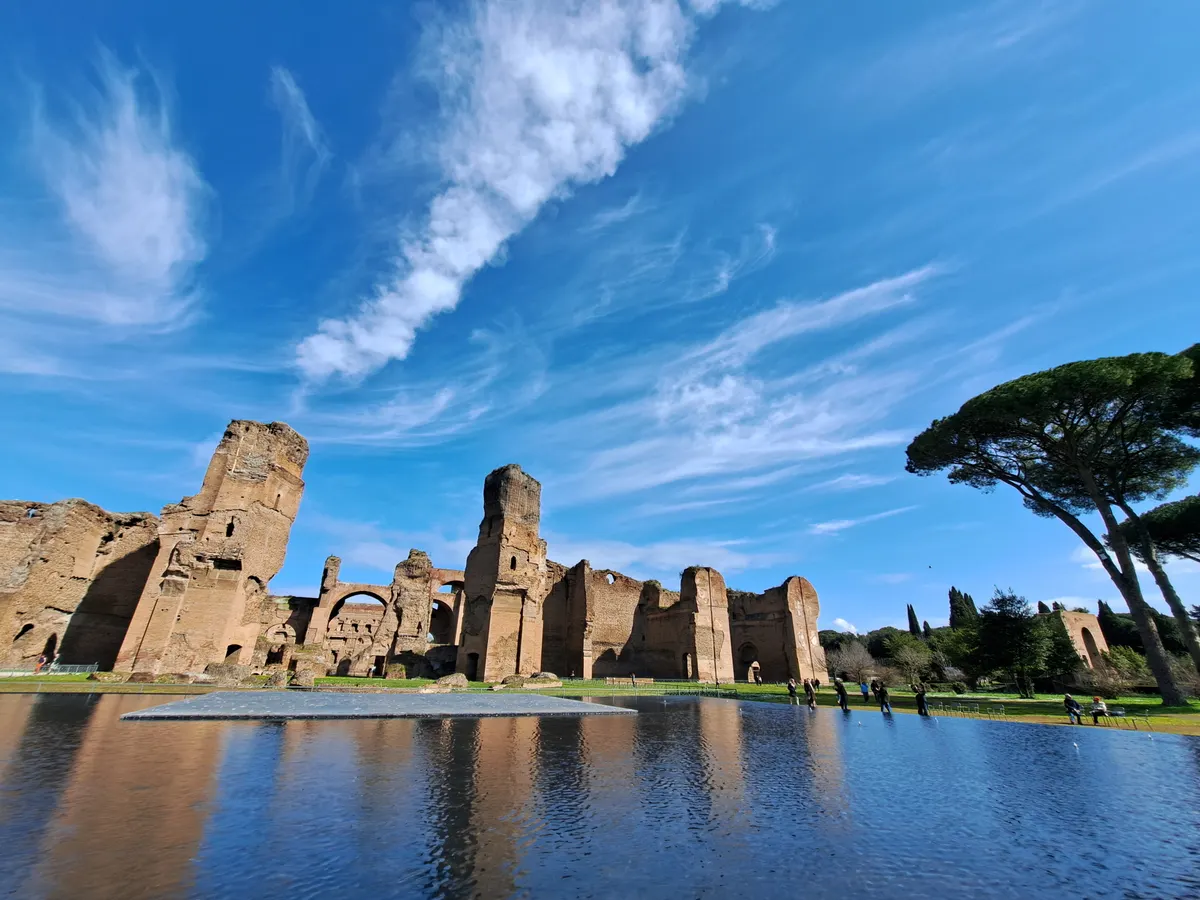
Baths of Caracalla
The Baths of Caracalla are a fascinating glimpse into ancient Roman leisure. Stroll through the ruins and imagine the stories of love and life that once unfolded here.
🎨 Attraction⏱ 1–2 hours⭐ 8/10📍 City Center
View details →

Papal Basilica of Saint Paul Outside the Walls
The Papal Basilica of Saint Paul Outside the Walls is a significant site with stunning architecture and a peaceful atmosphere. It's a bit off the beaten path, perfect for quiet contemplation.
🎨 Attraction⏱ 1–2 hours⭐ 8/10📍 City Center
View details →

Vicus Caprarius - The Water City
Vicus Caprarius - The Water City reveals ancient Roman aqueduct systems beneath the streets, showcasing the engineering marvels of the past. It's an intriguing site for history buffs.
🎨 Museum⏱ 1–2 hours⭐ 8/10📍 City Center
View details →

National Roman Museum, Baths of Diocletian
The National Roman Museum at the Baths of Diocletian showcases ancient Roman art and artifacts in a historic thermal complex. Explore the vast collections that provide insight into the daily life of Romans.
🎨 Museum⏱ 1–2 hours⭐ 8/10📍 City Center
View details →

Museo Leonardo da Vinci
Museo Leonardo da Vinci is dedicated to the works of the master inventor and artist. While there may be an entrance fee, it’s an enriching experience for art lovers.
🎨 Museum⏱ 1–2 hours⭐ 8/10📍 City Center
View details →
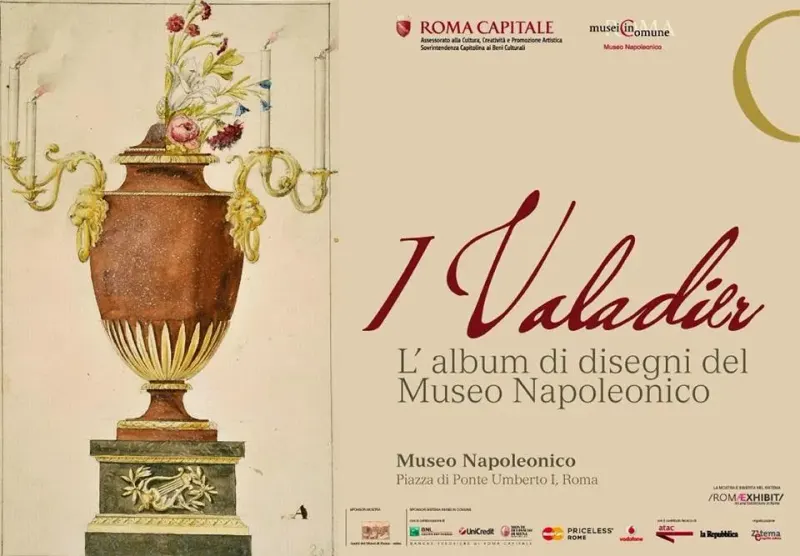
Napoleonic Museum
The Napoleonic Museum is a hidden gem showcasing artifacts from the Napoleonic era. It's a budget-friendly stop for history buffs, often with low admission costs.
🎨 Museum⏱ 1–2 hours⭐ 8/10📍 City Center
View details →
Jewish Museum
The Jewish Museum offers insight into the rich history of the Jewish community in Rome. While there may be an entrance fee, it provides a valuable cultural experience.
🎨 Museum⏱ 1–2 hours⭐ 8/10📍 City Center
View details →
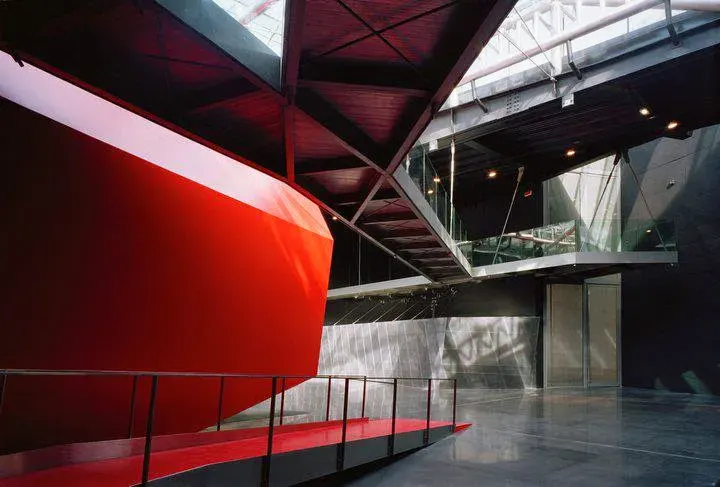
MACRO
MACRO is a contemporary art museum that offers a unique perspective on modern creativity. Check for any free admission days to explore its exhibits without breaking the bank.
🎨 Museum⏱ 1–2 hours⭐ 8/10📍 City Center
View details →

National Museum of the Palazzo di Venezia
The National Museum of the Palazzo di Venezia is rich in history and art. It’s a perfect place to stay dry while immersing yourself in Rome's cultural heritage.
🎨 Museum⏱ 1–2 hours⭐ 8/10📍 City Center
View details →
Museums & galleries in Rome
Structured by type for long-tail museum searches — plan 2–4 hours per major institution.
Art Museums
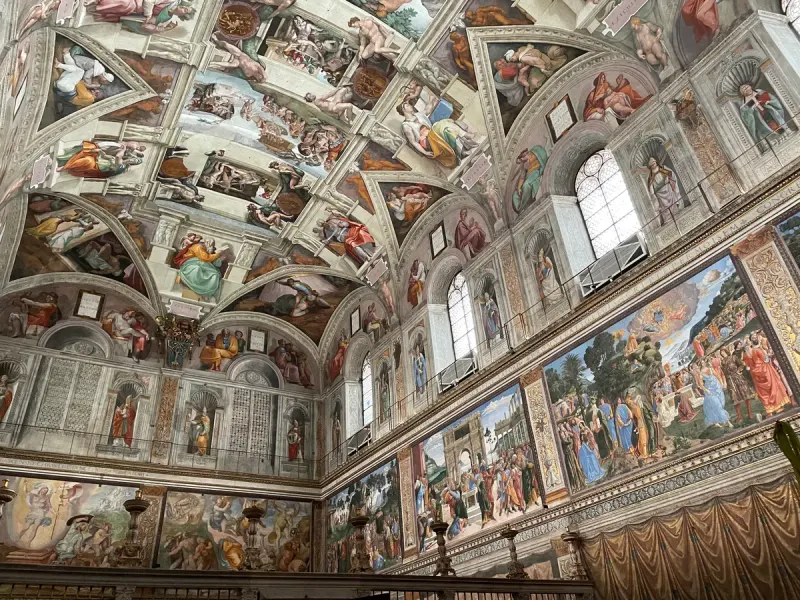
Vatican Museums
Home to an extensive collection of art and historical artifacts, showcasing centuries of creativity.
⏱ 2-3 hours⭐ 10/10💰 €17
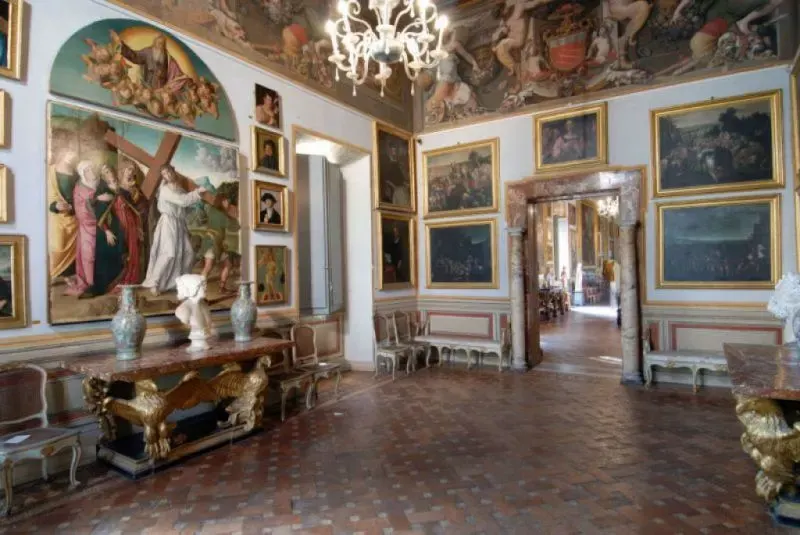
Galleria Spada
Home to an impressive collection of art, including works by Caravaggio.
⏱ 1-2 hours⭐ 9/10💰 €10
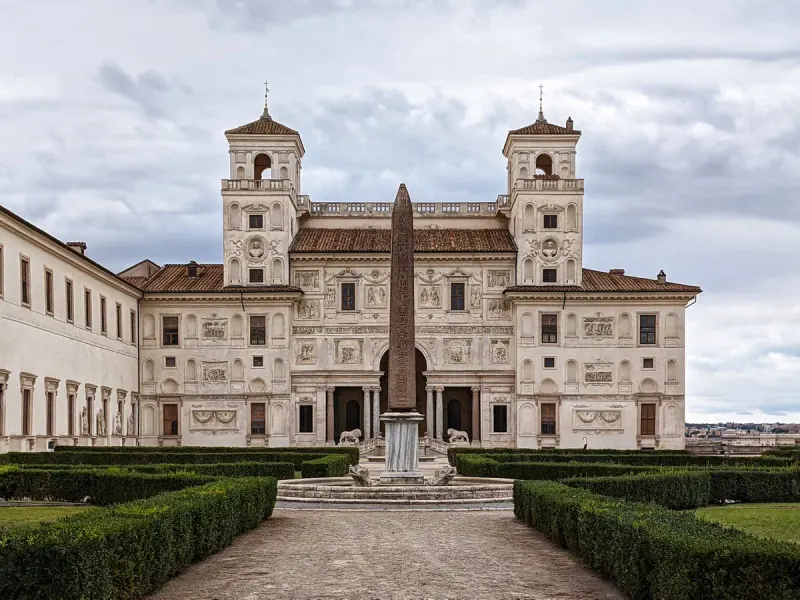
Villa Medici
Offers beautiful gardens and stunning views of Rome, perfect for relaxation.
⏱ 1-2 hours⭐ 8/10💰 €10

Sistine Chapel
Renowned for its breathtaking frescoes, including Michelangelo's iconic ceiling.
⏱ 1 hour⭐ 10/10💰 €17
History Museums

Le Domus Romane di Palazzo Valentini
Showcases the remains of ancient Roman houses, offering a glimpse into daily life.
⏱ 1-2 hours⭐ 10/10💰 €12
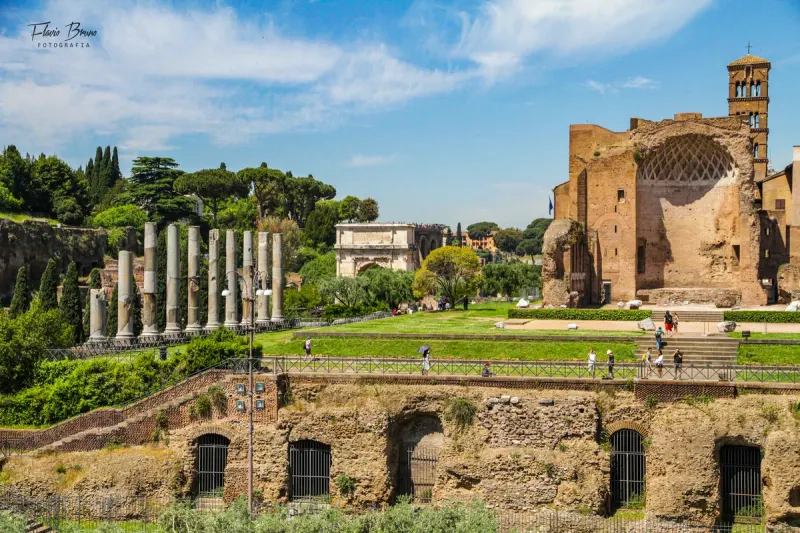
Temple of Venus and Rome
A testament to ancient Roman religious practices and architectural styles.
⏱ 1 hour⭐ 9/10💰 €12

Castel Sant'Angelo
Originally built as a mausoleum, now a fortress with stunning city views.
⏱ 1-2 hours⭐ 9/10💰 €15
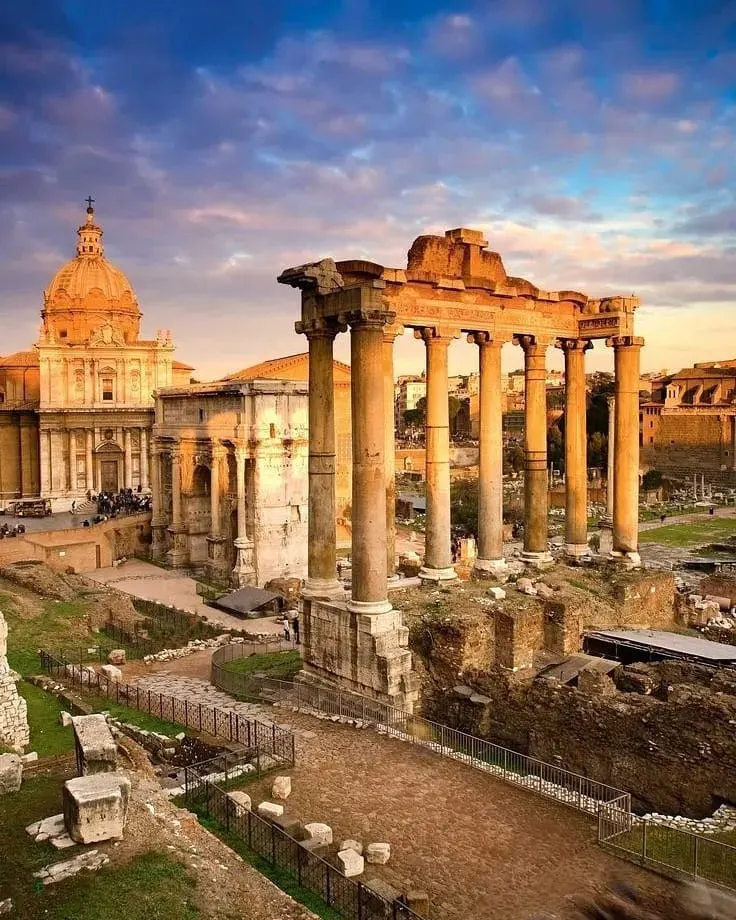
Roman Forum
A sprawling archaeological site that was once the heart of ancient Rome.
⏱ 2-3 hours⭐ 10/10💰 €12
Contemporary & Independent Art
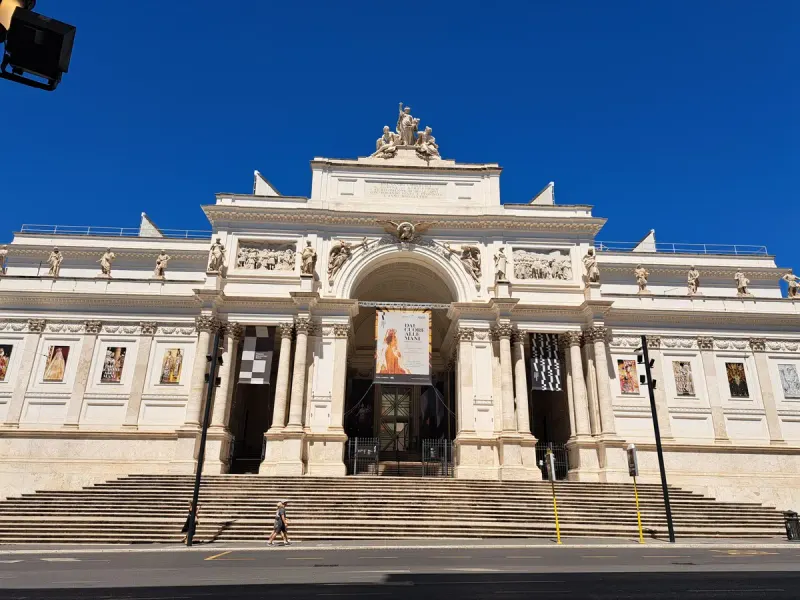
Palazzo delle Esposizioni
A prominent exhibition space featuring contemporary art and cultural events.
⏱ 1-2 hours⭐ 8/10💰 €12
Architecture & heritage in Rome
From merchant houses to modern design — how building styles reveal the city's history.
Ancient Roman
27 BC - 476 AD
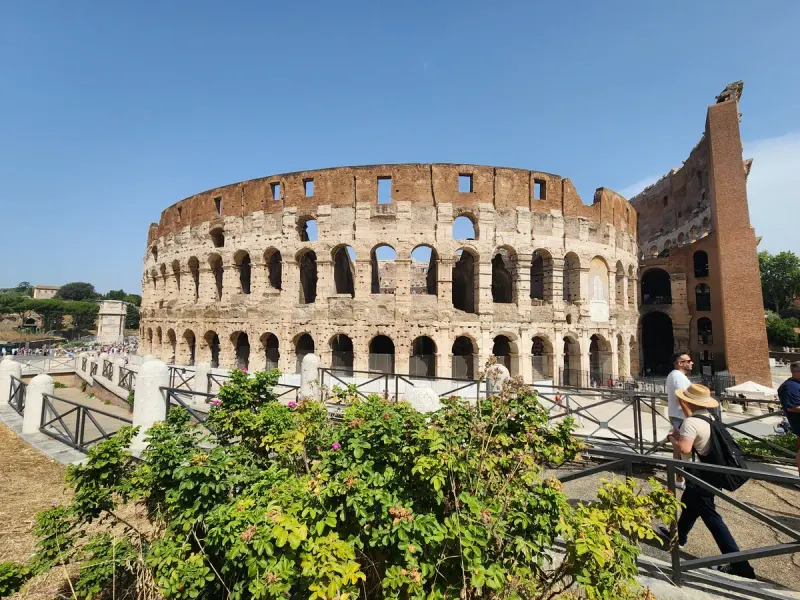
Characterized by grand structures and engineering feats, such as the Colosseum and aqueducts.
Examples: Colosseum, Pantheon
Renaissance
14th - 17th centuries
Known for its symmetry and proportion, exemplified in the works of Bramante and Michelangelo.
Examples: St. Peter's Basilica, Palazzo della Cancelleria
Baroque
17th - 18th centuries
Features dramatic use of light and shadow, ornate details, and grandeur.
Examples: Trevi Fountain, Church of Sant'Agnese in Agone
Neoclassical
18th - 19th centuries
Inspired by classical antiquity, emphasizing simplicity and grandeur.
Examples: Piazza del Popolo, Monument to Victor Emmanuel II
Local traditions & lifestyle in Rome
Insider-level customs — origin, modern meaning and where to experience them today.
La Passeggiata
- Origin
- A traditional evening stroll in Italian culture.
- Modern meaning
- A way to socialize and enjoy the evening atmosphere.
- Where to experience
- Piazza Navona and the streets of Trastevere.
Cucina Romana
- Origin
- Traditional Roman cuisine with roots in local ingredients.
- Modern meaning
- Celebrates local flavors and seasonal dishes.
- Where to experience
- Trattorias in Testaccio and Campo de' Fiori.
Festa della Befana
- Origin
- Celebration of Epiphany, marking the end of Christmas festivities.
- Modern meaning
- A day for children to receive gifts from the Befana.
- Where to experience
- Piazza Navona, January 6th.
Carnevale di Roma
- Origin
- An ancient festival marking the beginning of Lent.
- Modern meaning
- A time for parades, costumes, and festivities.
- Where to experience
- Throughout the city, especially in Piazza Navona.
Festivals & cultural events in Rome
Seasonal highlights that reshape the city — plan around dates for the richest cultural experience.
Festa della Primavera
Spring · Typically March–May (verify yearly)
Spring festival celebrating the arrival of spring with flowers and music.
👥 Families and locals💰 Free to attend⭐ Symbolizes renewal and local traditions.
Estate Romana
Summer · Typically June–August (verify yearly)
Summer festival featuring outdoor concerts, cinema, and cultural events.
👥 Tourists and locals💰 Varies by event⭐ Showcases Rome's vibrant cultural scene.
Festa di San Giovanni
June
Celebration of Rome's patron saint with parades and fireworks.
👥 Everyone💰 Free to attend⭐ Honors the city's heritage.
Notte Bianca
Autumn · Typically September–November (verify yearly)
All-night arts festival with events across the city.
👥 Cultural enthusiasts💰 Free to attend⭐ Promotes local artists and culture.
Rome Summer Arts Festival
Summer · Typically June–August (verify yearly)
Open-air concerts, outdoor cinema and neighborhood stages that show how Rome lives culture beyond museum walls.
👥 All ages💰 Many free / paid headline nights⭐ Living culture in public space
Rome Heritage / Museum Night
Spring or Autumn · Usually May or September (verify yearly)
Timed evening openings when major museums and monuments stay open late with special programs.
👥 Culture travelers💰 Often free or reduced⭐ Access to flagship collections after hours
Cultural itineraries in Rome
Ready-made routes from one-day highlights to deep three-day immersion and alternative repeat-visitor paths.
1 day
Cultural Highlights of Rome
- 09:30Visit Vatican Museums
- 12:00Explore the Roman Forum
- 14:30Lunch at a local trattoria
- 16:00Admire the Colosseum
- 18:00Evening at Piazza Navona
3 days
Deep Dive into Roman Culture
Alternative
Explore Hidden Gems
Flagship Rome museums cap daily entries — book the timed slots on these routes first.
Book the paid stopsUnderstanding Rome culture
Deep context for broad searches — history, art, identity and etiquette before you explore.
History That Shaped The City
Rome's history spans over two millennia, marked by the rise and fall of empires, the spread of Christianity, and the Renaissance. Key figures like Julius Caesar and Michelangelo have left indelible marks on the city. Neighborhoods such as Trastevere and Testaccio reflect the layers of history, showcasing ancient ruins alongside modern life.
Art Movements
From ancient mosaics to Baroque masterpieces, Rome has been a hub for artistic innovation. The Renaissance brought forth artists like Raphael and Caravaggio, whose works can be seen in museums and churches throughout the city. The Vatican Museums alone house some of the most significant pieces of art in history.
Architecture Evolution
Roman architecture showcases a variety of styles, from ancient Roman engineering marvels like the Colosseum to the intricate Baroque designs of the 17th century. Neoclassical structures like the Monument to Victor Emmanuel II reflect the city's adaptation and reverence for its historical roots.
Local Identity
The identity of Romans is deeply tied to their city's rich history and vibrant culture. Daily life is infused with traditions such as La Passeggiata, where locals gather in the evening to socialize, and the thriving café culture that invites both conversation and relaxation.
Traditions & Customs
Traditions like Cucina Romana celebrate local ingredients and recipes passed down through generations. Festivals such as Carnevale di Roma bring the community together, showcasing the city's lively spirit and deep-rooted customs.
Modern Cultural Scene
Rome's contemporary culture is vibrant, with art galleries, street performances, and music festivals that reflect the city's dynamic spirit. Events like Notte Bianca highlight local artists and provide a platform for creative expression, bridging the gap between history and modernity.
Cultural Etiquette
Understanding local customs is key to enjoying Rome's culture. Greeting with a friendly 'Buongiorno,' dressing appropriately when visiting churches, and being mindful of dining etiquette can enhance your experience and show respect for local traditions.
10 common cultural trip mistakes in Rome
Stereotypes that waste time — and how to experience the city more deeply.
1. Focusing Only on Museums
Many visitors overlook the importance of experiencing local life and traditions, which are equally integral to understanding Rome's culture.
2. Skipping Neighborhood Exploration
Sticking only to major tourist sites can lead to missing out on the unique charm and character of neighborhoods like Trastevere and Testaccio.
3. History-Only Itinerary
Focusing solely on historical sites neglects the vibrant contemporary culture that thrives in Rome today.
4. No Festival Planning
Failing to check local festivals can result in missing unique cultural experiences that showcase the city's lively spirit.
5. Not Booking Tickets in Advance
Many popular attractions require advance booking, especially during peak tourist seasons, to avoid long wait times.
6. Tourist-Zone Only Visits
Limiting your visit to tourist zones can prevent you from experiencing authentic Roman life and local cuisine.
7. Ignoring Seasonal Variations
Not considering seasonal weather can affect your experience, especially for outdoor festivals and events.
8. Underestimating Travel Time
Rome's traffic can be unpredictable; allow ample time for travel between sites to enjoy a relaxed visit.
9. Disregarding Local Etiquette
Not adhering to local customs, such as dress codes in churches, can lead to uncomfortable situations.
10. Rushing Through Attractions
Trying to see too much in one day can lead to fatigue and missed opportunities to enjoy the city's ambiance.
Frequently asked questions
FAQ for Rome Culture Guide: Art, History & Local Traditions (2026)
Is Rome worth visiting for museums?
Yes, Rome is a treasure trove of museums, with over 40 major institutions showcasing art from ancient to contemporary times. Highlights include the Vatican Museums and Galleria Spada. Prioritize Vatican Museums, Roman Forum, Colosseum, Palazzo delle Esposizioni, book timed tickets where required, cluster stops by district to cut transit time, and balance one major museum with a walk or living tradition each day in Rome.
How many days do you need for Rome culture?
A minimum of 3 days is recommended to fully appreciate Rome's rich culture, allowing time for museums, historical sites, and local traditions. Prioritize Vatican Museums, Roman Forum, Colosseum, Palazzo delle Esposizioni, book timed tickets where required, cluster stops by district to cut transit time, and balance one major museum with a walk or living tradition each day in Rome.
What are the UNESCO World Heritage sites in Rome?
Rome is home to 6 UNESCO World Heritage sites, including the historic center, Vatican City, and the archaeological areas of Pompeii and Herculaneum. Prioritize Vatican Museums, Roman Forum, Colosseum, Palazzo delle Esposizioni, book timed tickets where required, cluster stops by district to cut transit time, and balance one major museum with a walk or living tradition each day in Rome.
What neighborhoods should I explore for local culture?
Trastevere, Testaccio, and Monti are great neighborhoods to explore for authentic Roman culture, featuring local markets, artisan shops, and traditional eateries. Prioritize Vatican Museums, Roman Forum, Colosseum, Palazzo delle Esposizioni, book timed tickets where required, cluster stops by district to cut transit time, and balance one major museum with a walk or living tradition each day in Rome.
What is the cultural etiquette in Rome?
It is important to greet locals politely, dress modestly when visiting churches, and observe dining customs, such as waiting for everyone to be served before starting to eat. Prioritize Vatican Museums, Roman Forum, Colosseum, Palazzo delle Esposizioni, book timed tickets where required, cluster stops by district to cut transit time, and balance one major museum with a walk or living tradition each day in Rome.
How can I book museum tickets in Rome?
Museum tickets can be booked online through official websites or at ticket offices. It's advisable to book in advance, especially for popular sites like the Colosseum. Prioritize Vatican Museums, Roman Forum, Colosseum, Palazzo delle Esposizioni, book timed tickets where required, cluster stops by district to cut transit time, and balance one major museum with a walk or living tradition each day in Rome.
Are there free cultural activities in Rome?
Yes, many cultural activities are free, such as visiting public squares like Piazza Navona, exploring parks like Villa Borghese, and attending free concerts and festivals. Prioritize Vatican Museums, Roman Forum, Colosseum, Palazzo delle Esposizioni, book timed tickets where required, cluster stops by district to cut transit time, and balance one major museum with a walk or living tradition each day in Rome.
What cultural festivals happen in Rome?
Rome hosts numerous cultural festivals throughout the year, including the Roman Summer Festival, Rome Film Fest, and various food festivals celebrating local cuisine. Prioritize Vatican Museums, Roman Forum, Colosseum, Palazzo delle Esposizioni, book timed tickets where required, cluster stops by district to cut transit time, and balance one major museum with a walk or living tradition each day in Rome.
What is the best time to visit Rome for culture?
Spring (April to June) and fall (September to October) are ideal times to visit Rome for culture, as the weather is pleasant and many cultural events take place. Prioritize Vatican Museums, Roman Forum, Colosseum, Palazzo delle Esposizioni, book timed tickets where required, cluster stops by district to cut transit time, and balance one major museum with a walk or living tradition each day in Rome.
What are the must-see museums in Rome?
Must-see museums include the Vatican Museums, Palazzo delle Esposizioni, Galleria Spada, and the National Gallery of Modern Art, each offering unique insights into Rome's artistic heritage. Prioritize Vatican Museums, Roman Forum, Colosseum, Palazzo delle Esposizioni, book timed tickets where required, cluster stops by district to cut transit time, and balance one major museum with a walk or living tradition each day in Rome.
What is the significance of the Colosseum in Roman culture?
The Colosseum is a symbol of ancient Rome's architectural innovation and cultural practices, once hosting gladiatorial games and public spectacles that were central to Roman social life. Prioritize Vatican Museums, Roman Forum, Colosseum, Palazzo delle Esposizioni, book timed tickets where required, cluster stops by district to cut transit time, and balance one major museum with a walk or living tradition each day in Rome.
How does Roman cuisine reflect its culture?
Roman cuisine is a reflection of its agricultural heritage, featuring simple, fresh ingredients. Traditional dishes like pasta alla carbonara and supplì showcase local flavors and cooking techniques. Prioritize Vatican Museums, Roman Forum, Colosseum, Palazzo delle Esposizioni, book timed tickets where required, cluster stops by district to cut transit time, and balance one major museum with a walk or living tradition each day in Rome.
What is Rome famous for culturally?
Rome is known for layered history, major museum collections, distinctive architecture and living traditions that blend heritage with contemporary creativity.
Are there UNESCO World Heritage sites in Rome?
Check the architecture and highlights sections for verified UNESCO-listed districts, monuments or historic ensembles in and around Rome.
Which neighborhoods have the strongest cultural identity?
Historic cores and museum quarters anchor first visits; residential and creative districts reveal how locals actually live and make art.
How many days do you need for culture in Rome?
Two days covers flagship museums and old town walks; three to four days allow festivals, independent galleries and deeper neighborhood time.
Do I need to book museum tickets in advance?
For top-tier national museums yes — timed entry prevents queue fatigue. Smaller municipal museums often allow same-day tickets.
What is the best season for cultural travel to Rome?
Spring and autumn balance comfortable walking weather with festival seasons. Winter suits museum-heavy itineraries.
Are there free cultural attractions in Rome?
Many cities offer free historic districts, churches, markets and select museum hours — see the highlights and traditions sections.
Is Rome good for architecture lovers?
Use the architecture section to trace the city's verified local styles, landmark buildings and periods of urban change.
More culture guides beyond Rome
Compare museums, heritage districts and local traditions in other TripByMood destinations.
Get free Rome culture guide
Offline cultural map, museum shortlist, festival calendar and itinerary timeline — coming soon.
PDF export launches soon — bookmark this guide meanwhile.
Book your cultural Rome trip
Museum passes, guided tours and audio guides — affiliate links help keep this guide free.
Book your museum passes for Rome
City cards and multi-museum tickets for skip-the-line entry.
Compare passes →Explore cultural tours in Rome
Expert-led walks through historic districts and museum quarters.
Book tour →Find audio guides for Rome
Self-paced museum and architecture commentary on your phone.
Get audio guide →Get concert tickets in Rome
Opera, classical and live venues that sell out weeks ahead.
See what is on →