

Tokyo · Japan
Tokyo Culture Guide: Art, History & Local Traditions (2026)
museums, architecture, cultural districts, festivals, traditions that shape identity
Tokyo's cultural landscape is a vibrant tapestry woven from its rich history, modern innovations, and living traditions. This city is home to a plethora of museums that showcase both ancient and contemporary art, as well as the enduring legacy of its samurai warriors. Beyond museums, Tokyo's neighborhoods pulse with life, featuring traditional crafts, bustling markets, and cozy cafes that reflect the local way of life. Visitors can explore the serene beauty of historical sites while also engaging with the dynamic contemporary scene. Planning your cultural journey in Tokyo means diving deep into its artistic heritage, enjoying seasonal festivals, and experiencing the warm hospitality of its people.
Key takeaways: culture in Tokyo
- Tokyo culture centers on museums, architecture, and living traditions — not landmarks alone.
- Museums & galleries: 12.
- UNESCO / heritage: 0.
- Major festivals: 15 — plan seasons, not fragile exact dates.
- Culture score: 9.5/10 for depth and accessibility of the cultural offer.
Essential tips
- Purchase museum tickets online to avoid long queues.
- Explore local neighborhoods on foot for an authentic experience.
- Visit during the spring or autumn for pleasant weather and vibrant festivals.
- Try traditional Japanese tea at a local tea house for a cultural immersion.
- Check museum schedules for special exhibitions and events.
Culture snapshot for Tokyo
Scan the cultural DNA before diving into museums, districts and festivals.
What defines culture?
- A rich tapestry of traditional and contemporary arts, historical narratives, and vibrant local customs.
Perfect for
- Art lovers, history buffs, and anyone eager to experience Japan's unique cultural heritage.
Cultural highlights in Tokyo
Key museums, heritage sites, districts and cultural landmarks ranked by importance — optimized for planning and search snippets.

teamLab Planets TOKYO DMM
teamLab Planets TOKYO DMM offers an immersive experience where kids can explore interactive digital art installations. It's a fantastic place for families to enjoy creativity and technology together.
🎨 Museum⏱ 1–2 hours⭐ 8/10📍 City Center
View details →
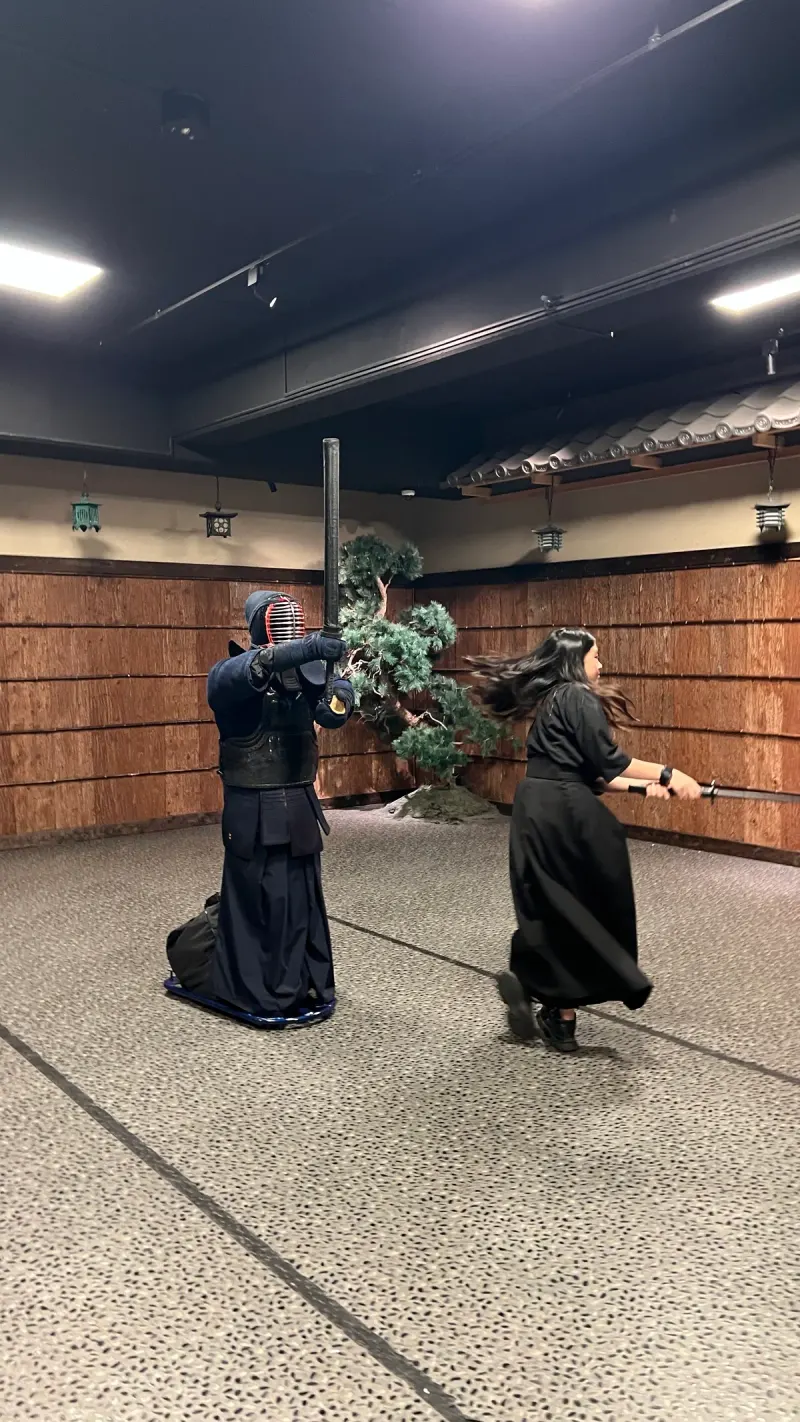
Samurai Ninja Museum Asakusa Tokyo
At the Samurai Ninja Museum Asakusa Tokyo, children can learn about Japan's fascinating history of samurai and ninja. Engaging exhibits and demonstrations make it an exciting stop for young adventurers.
🎨 Museum⏱ 1–2 hours⭐ 8/10📍 City Center
View details →
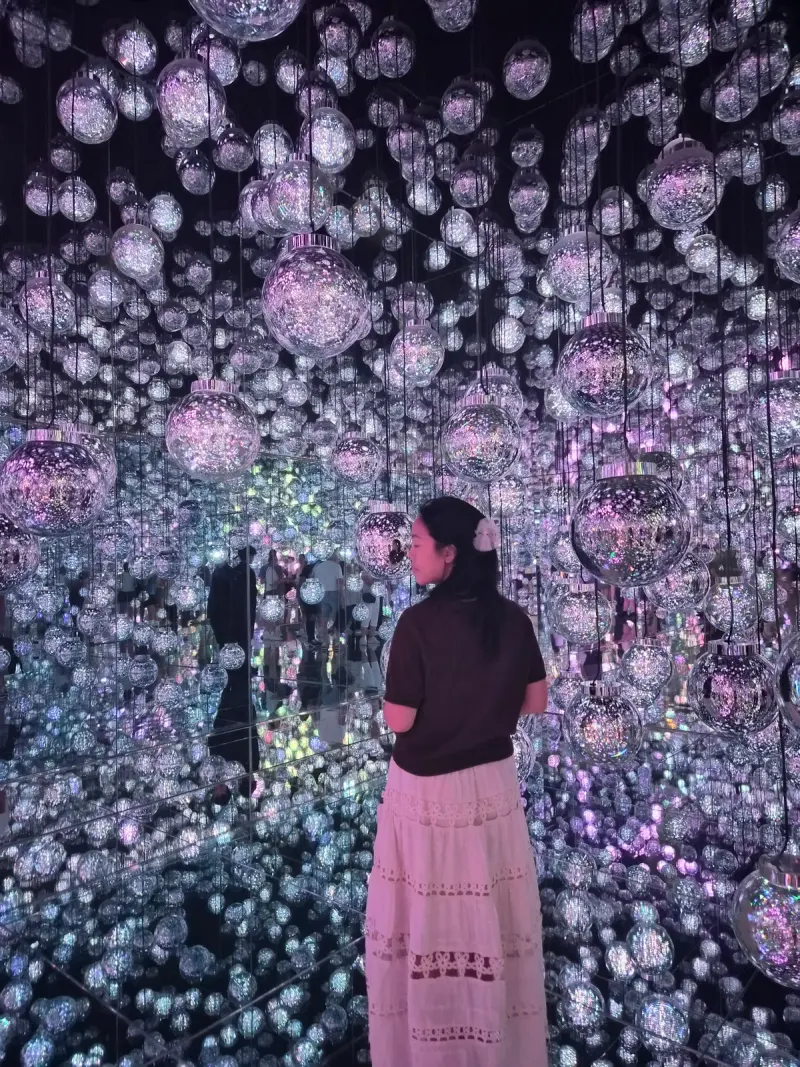
teamLab Borderless: MORI Building DIGITAL ART MUSEUM
teamLab Borderless: MORI Building DIGITAL ART MUSEUM is a vibrant space filled with stunning digital art that captivates the imagination. Kids will love the interactive exhibits that encourage exploration and play.
🎨 Museum⏱ 1–2 hours⭐ 8/10📍 City Center
View details →
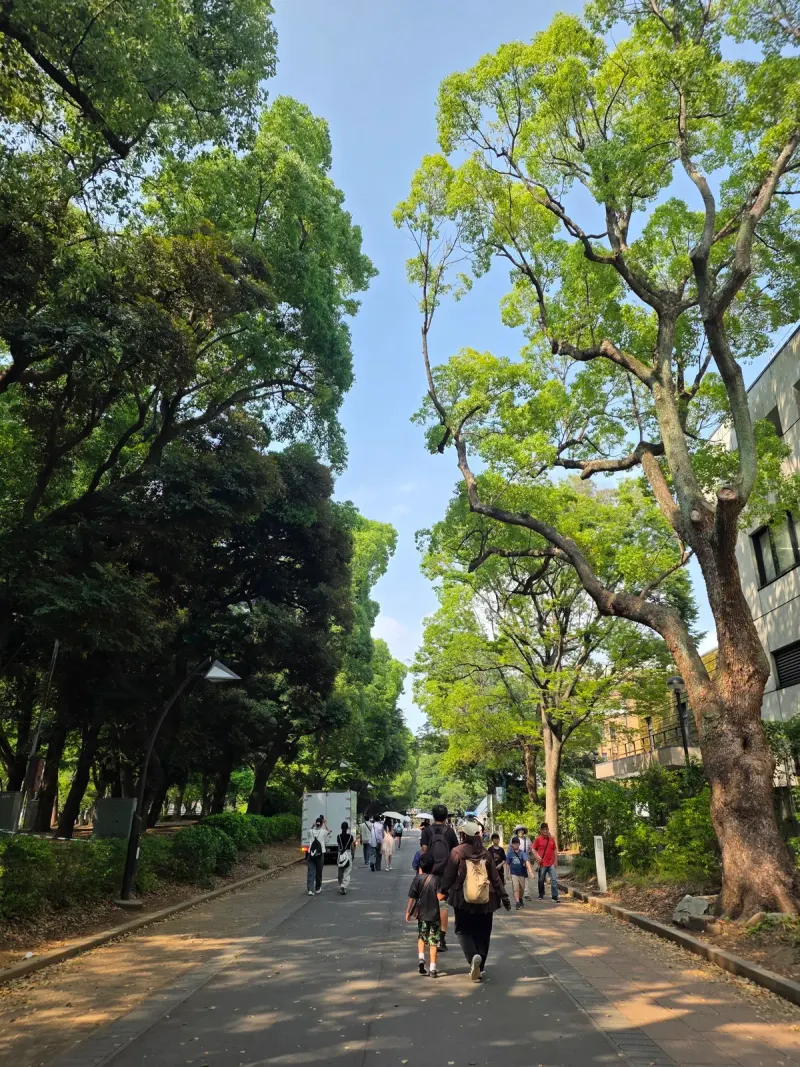
Tokyo National Museum
The Tokyo National Museum offers a glimpse into Japan's rich cultural heritage, with exhibits that can intrigue both kids and adults. It's a great educational stop for families looking to learn together.
🎨 Museum⏱ 1–2 hours⭐ 8/10📍 City Center
View details →

Edo-Tokyo Museum
The Edo-Tokyo Museum brings history to life, showcasing the evolution of Tokyo. Kids can explore interactive displays that make learning about the past engaging and fun.
🎨 Museum⏱ 1–2 hours⭐ 8/10📍 City Center
View details →
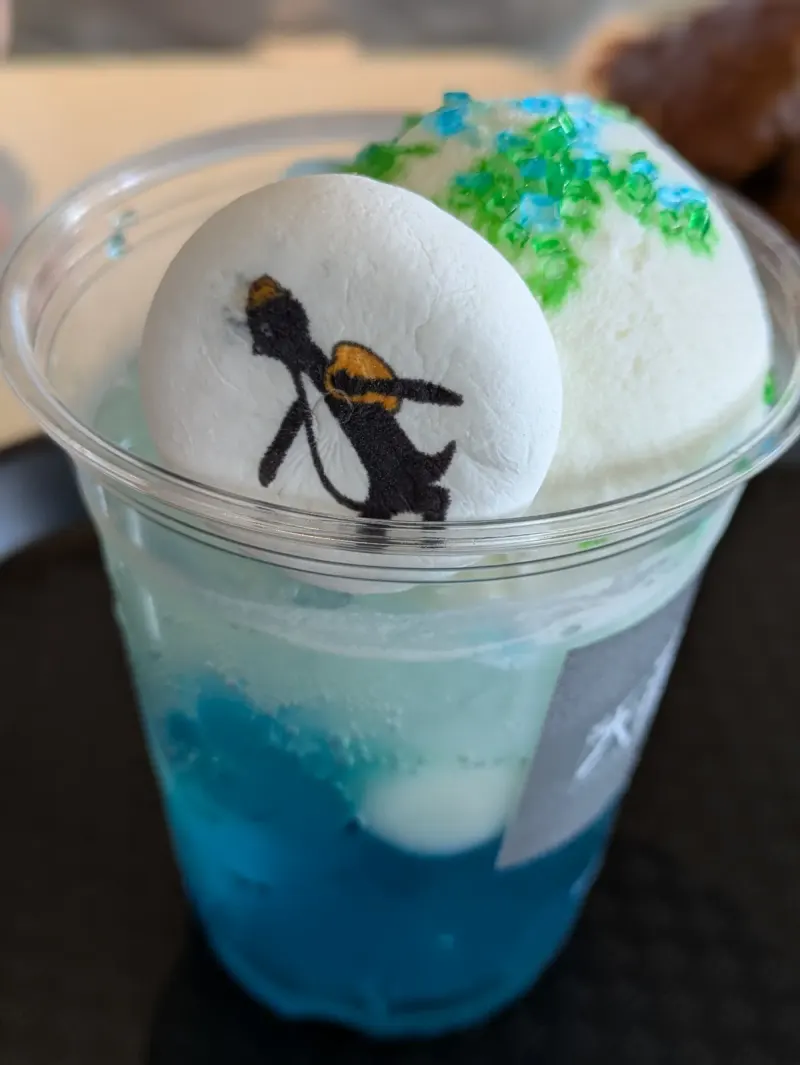
Museum of Emerging Science and Innovation
Museum of Emerging Science and Innovation is a hands-on museum where kids can discover the wonders of science and technology. It's a great spot for curious minds looking to explore the future.
🎨 Museum⏱ 1–2 hours⭐ 8/10📍 City Center
View details →
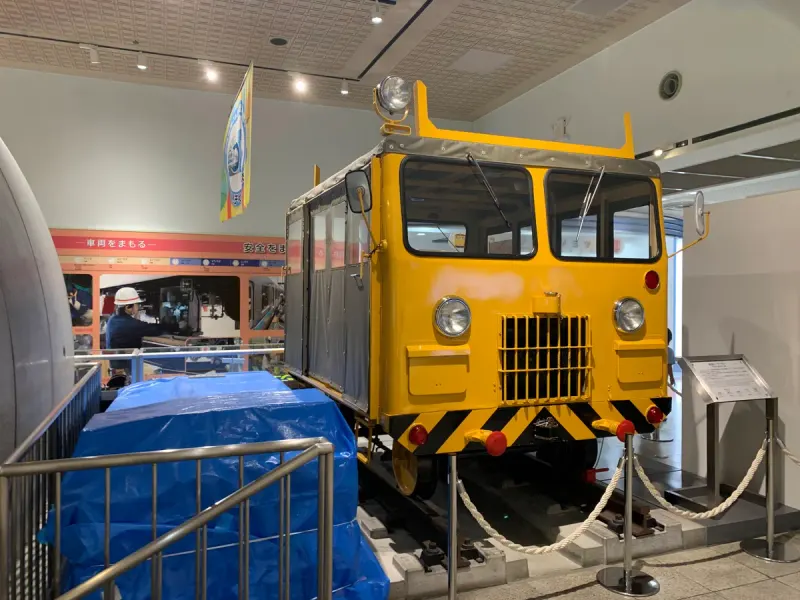
Metro Museum
The Metro Museum introduces children to the fascinating world of Tokyo's subway system. It's an educational experience that combines fun with learning about transportation.
🎨 Museum⏱ 1–2 hours⭐ 8/10📍 City Center
View details →
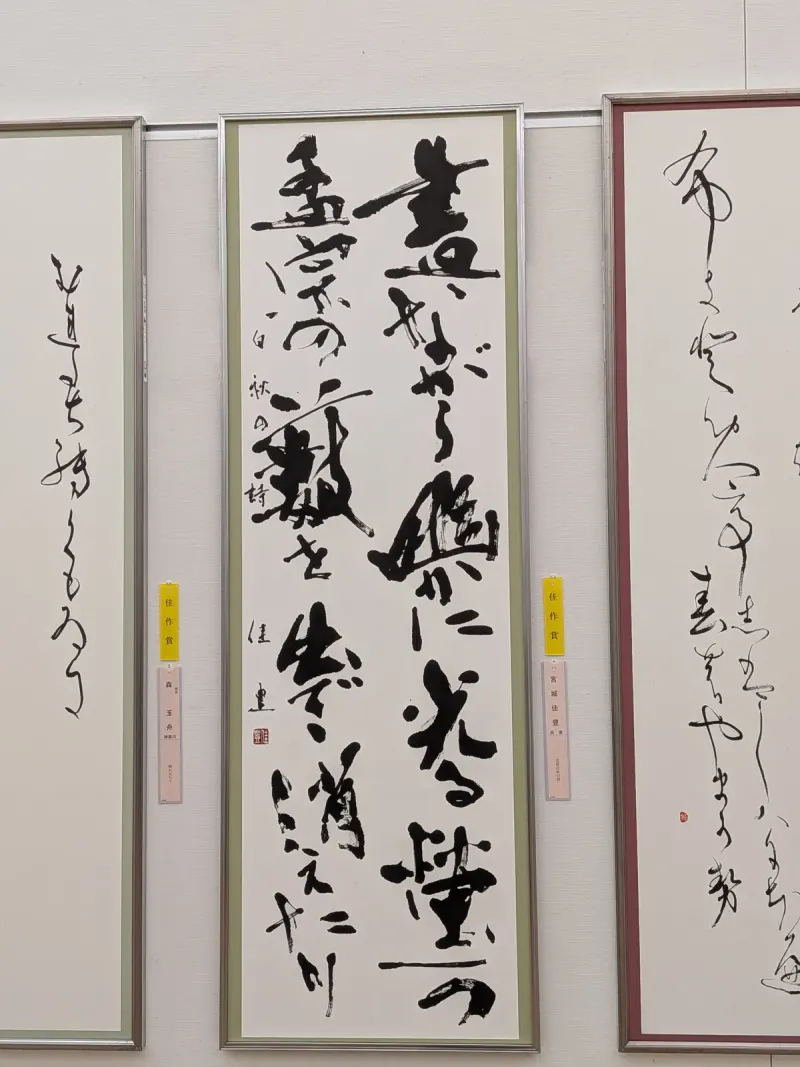
The National Art Center, Tokyo
The National Art Center, Tokyo is a unique museum dedicated to showcasing rotating exhibitions of contemporary art. Its spacious galleries provide a perfect refuge from the rain, allowing you to immerse yourself in the world of art.
🎨 Museum⏱ 1–2 hours⭐ 8/10📍 City Center
View details →
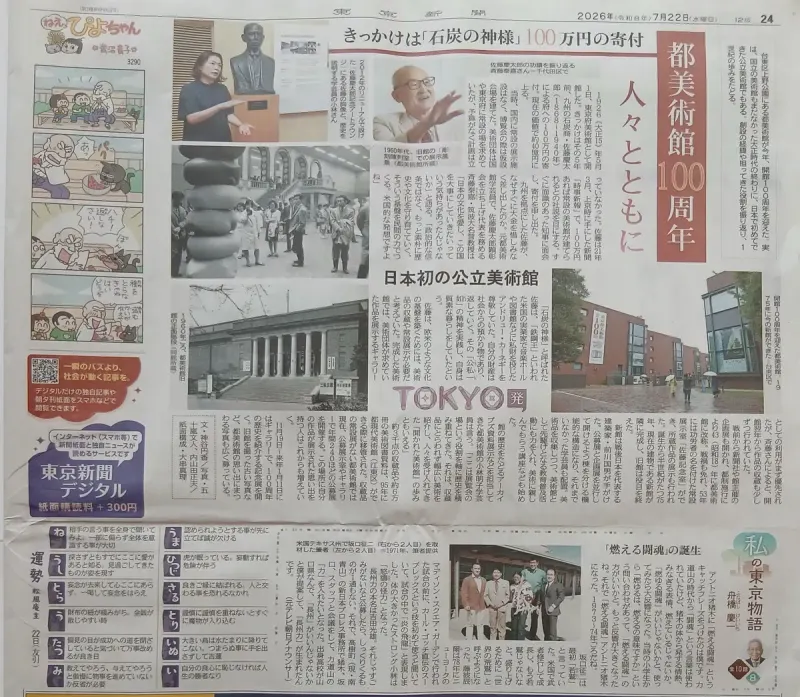
Tokyo Metropolitan Art Museum
Tokyo Metropolitan Art Museum offers a diverse collection of Japanese and international art. With its tranquil atmosphere, it's an ideal spot to escape the rain and enjoy the creativity on display.
🎨 Museum⏱ 1–2 hours⭐ 8/10📍 City Center
View details →
Museums & galleries in Tokyo
Structured by type for long-tail museum searches — plan 2–4 hours per major institution.
Art Museums
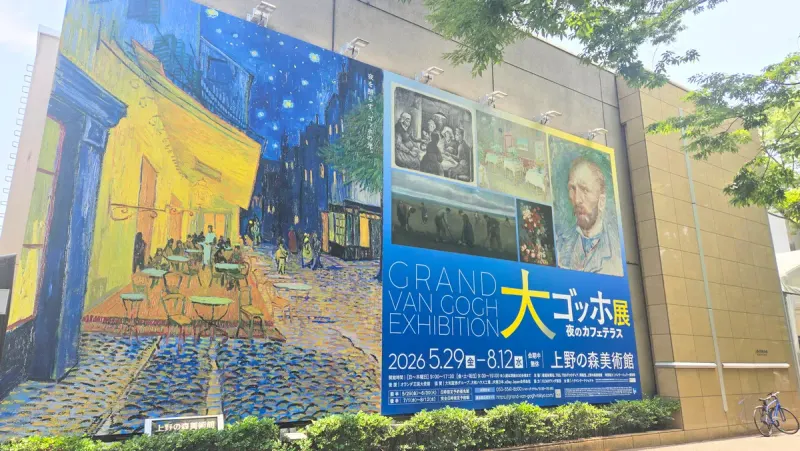
The Ueno Royal Museum
The Ueno Royal Museum is a must-visit for art lovers, featuring a diverse collection of both traditional and contemporary works. Located in Ueno Park, it offers a serene environment to appreciate Japan's artistic heritage.
⏱ 1-2 hours⭐ 9/10💰 ¥1,000
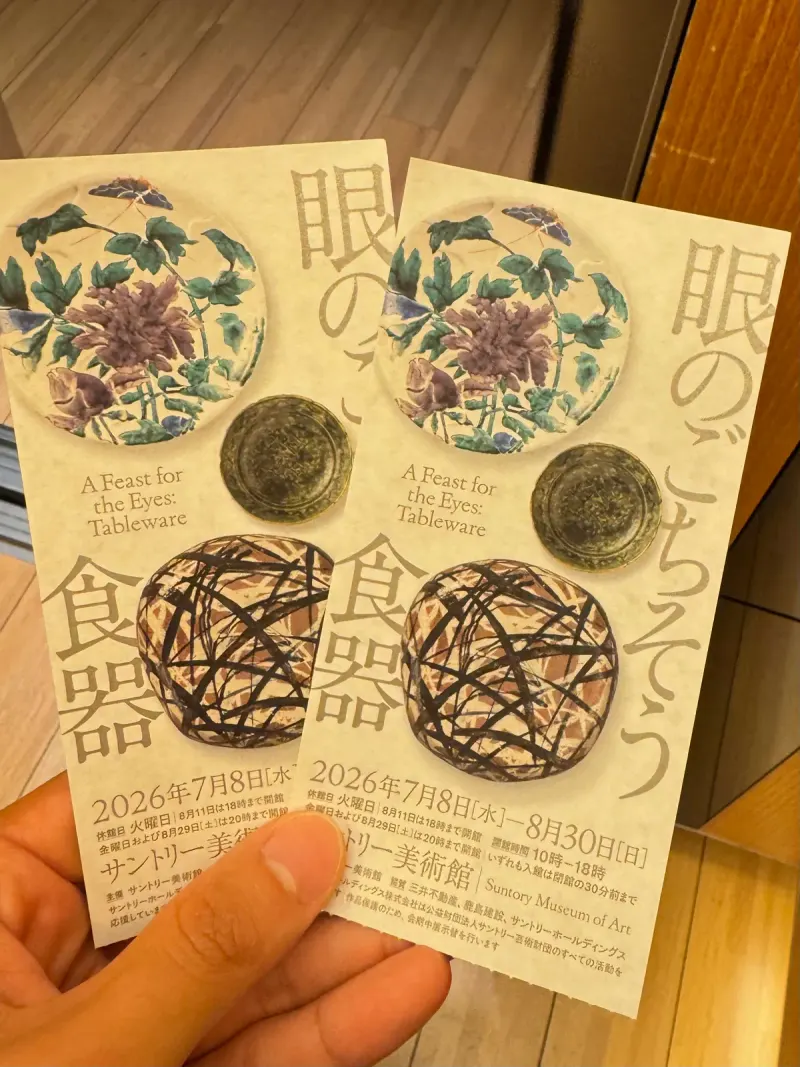
Suntory Museum of Art
Suntory Museum of Art focuses on the beauty of Japanese art and craftsmanship. Situated in Tokyo Midtown, it offers a tranquil setting to explore its carefully curated exhibitions that celebrate the essence of Japanese aesthetics.
⏱ 1-2 hours⭐ 9/10💰 ¥1,000
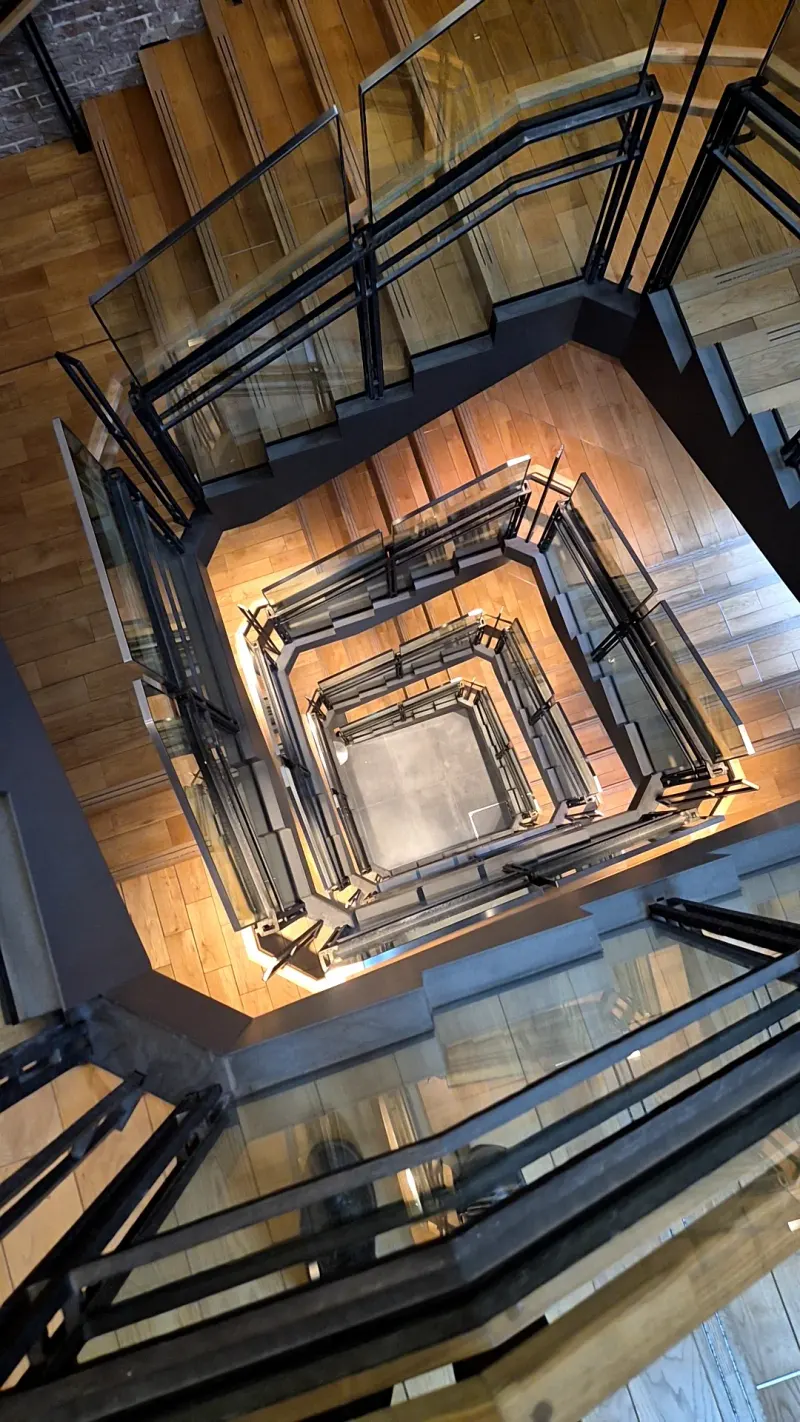
Tokyo Station Gallery
Tokyo Station Gallery is nestled within the iconic Tokyo Station, showcasing art exhibitions that often reflect the history of the station itself. This gallery is a perfect blend of culture and architecture, making it a must-see.
⏱ 1 hour⭐ 8/10💰 ¥1,000
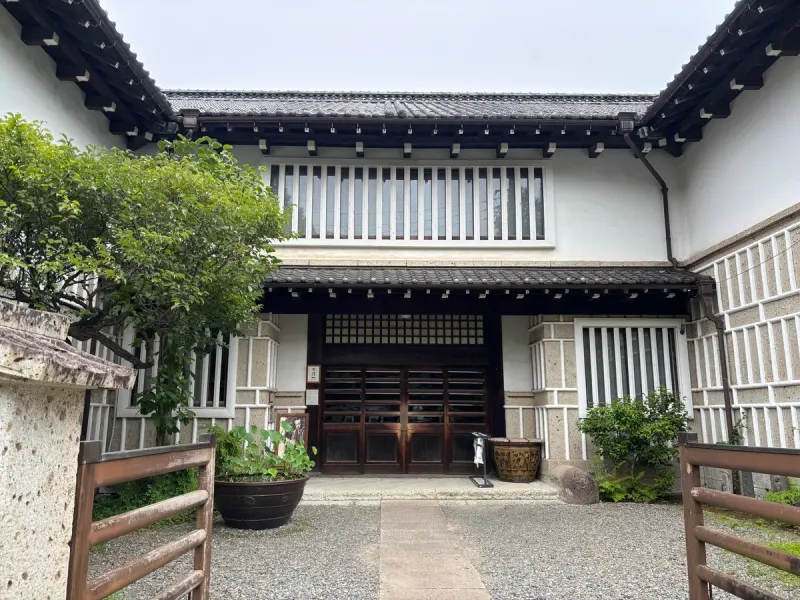
Japan Folk Crafts Museum
Japan Folk Crafts Museum celebrates the beauty of traditional Japanese crafts. Located in Meguro, it showcases a variety of folk art and crafts, reflecting the country's rich cultural heritage.
⏱ 1-2 hours⭐ 9/10💰 ¥700
History Museums
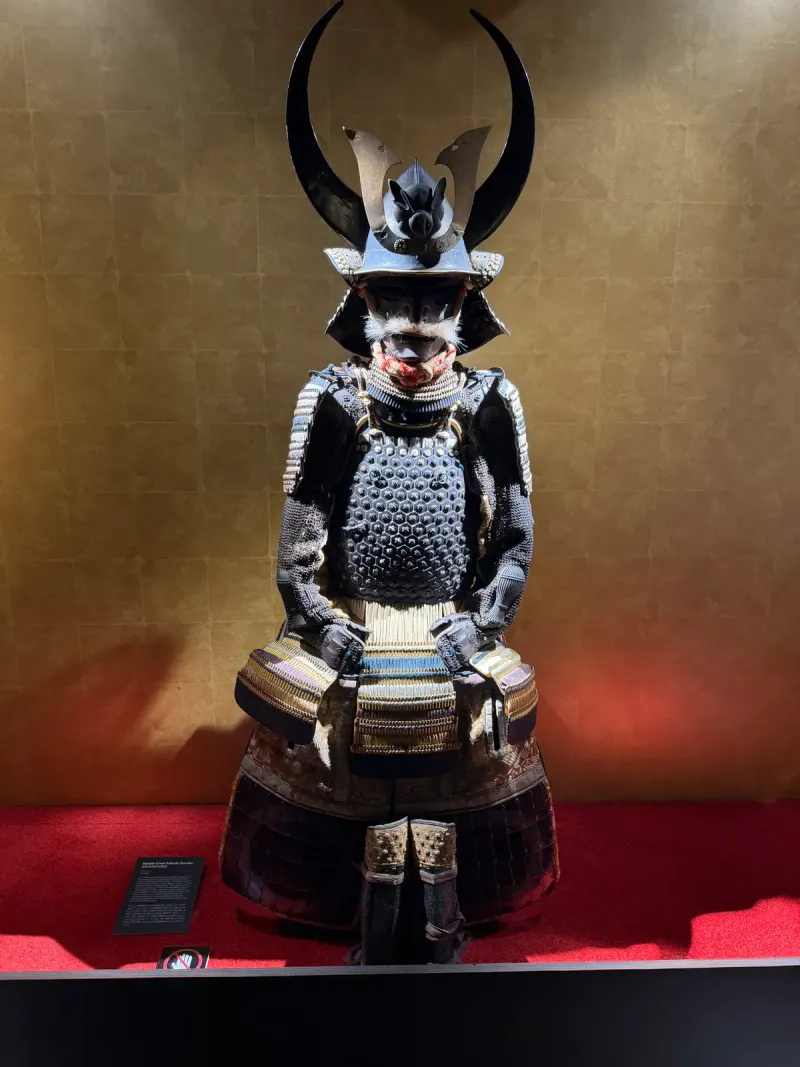
Samurai Museum TOKYO Shinjuku
At Samurai Museum TOKYO Shinjuku, immerse yourself in the fascinating world of Japan's samurai warriors. This museum showcases artifacts and exhibits that highlight the rich history and culture of the samurai era.
⏱ 1-2 hours⭐ 10/10💰 ¥1,800
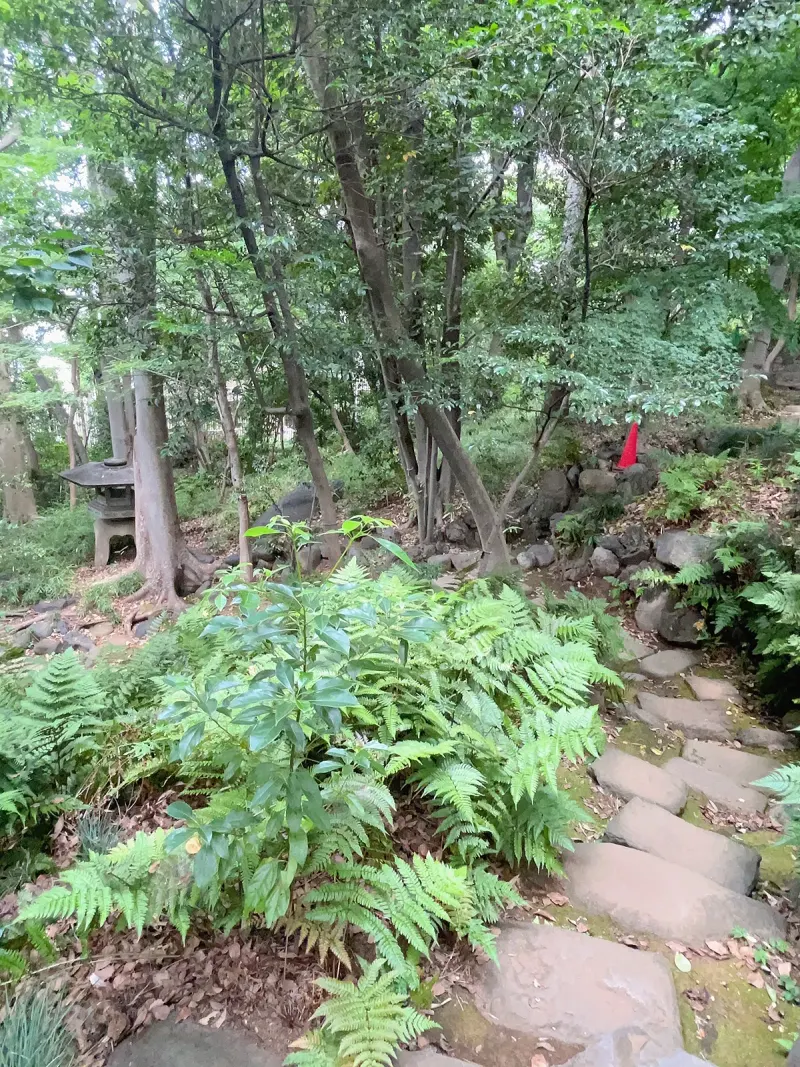
Kyu Asakura House
Kyu Asakura House is a beautifully preserved example of a traditional Japanese residence from the early 20th century. Located in Shibuya, it offers visitors a glimpse into the architectural style and lifestyle of the time.
⏱ 1 hour⭐ 9/10💰 ¥500
Contemporary & Independent Art
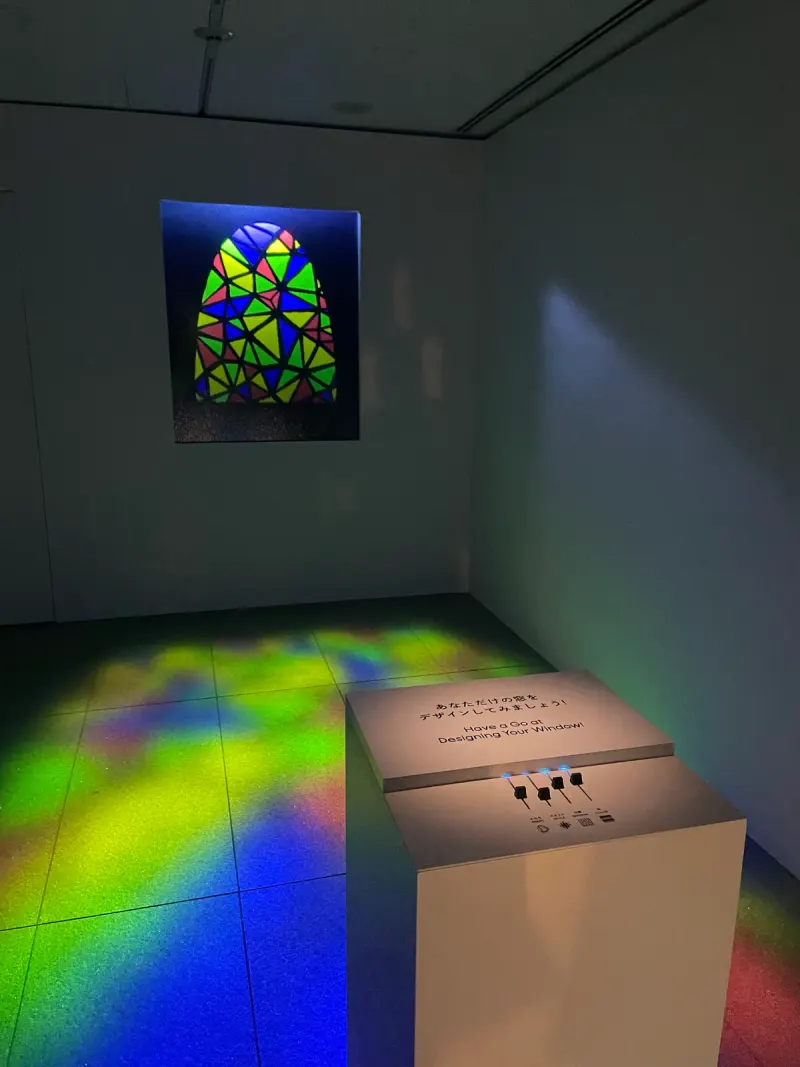
21_21 Design Sight
21_21 Design Sight is a unique space dedicated to design and innovation, located in the heart of Tokyo Midtown. Its rotating exhibitions explore the intersection of design and culture, making it a stimulating stop for creative minds.
⏱ 1-2 hours⭐ 8/10💰 ¥1,200
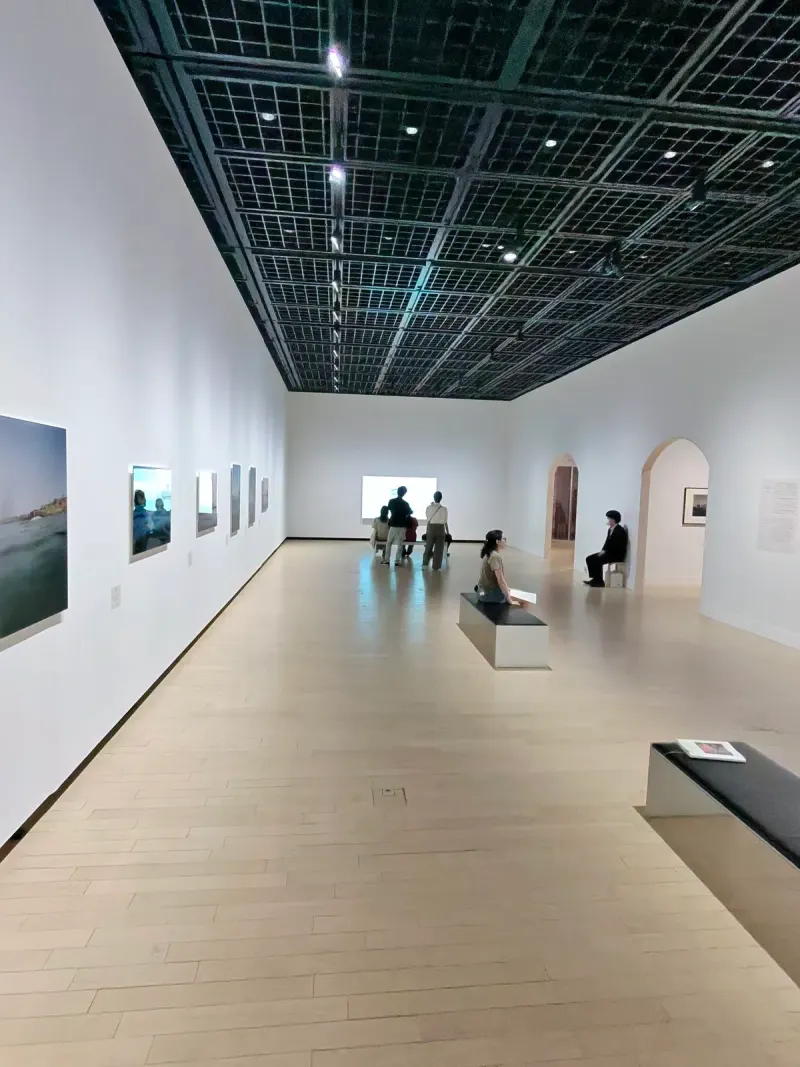
Tokyo Photographic Art Museum
Tokyo Photographic Art Museum is dedicated to the art of photography, featuring both historical and contemporary works. Located in Meguro, this museum provides an inspiring space for photography enthusiasts to explore.
⏱ 1-2 hours⭐ 8/10💰 ¥600
Architecture & heritage in Tokyo
From merchant houses to modern design — how building styles reveal the city's history.
Traditional Japanese Architecture
Edo period
Characterized by wooden structures, tatami mat flooring, and sliding doors (fusuma), traditional Japanese architecture emphasizes harmony with nature.
Examples: Kyu Asakura House
Modernist Architecture
Post-WWII
A movement that emerged in the 20th century, focusing on simplicity and functionality, often using concrete and glass.
Examples: Tokyo Midtown
Metabolism Architecture
1960s
A post-war architectural movement that combined modernism with Japanese traditional forms, focusing on modular and flexible designs.
Examples: Nakagin Capsule Tower
Contemporary Japanese Architecture
21st century
Blending traditional elements with new technologies, contemporary architecture in Tokyo is innovative and diverse.
Examples: Tokyo Skytree
Local traditions & lifestyle in Tokyo
Insider-level customs — origin, modern meaning and where to experience them today.
Tea Ceremony
- Origin
- Rooted in Zen Buddhism, the tea ceremony emphasizes simplicity and mindfulness.
- Modern meaning
- A way to appreciate the art of tea and foster social connections.
- Where to experience
- Participate in a tea ceremony at cultural centers like the Hamarikyu Gardens.
Ikebana (Flower Arrangement)
- Origin
- Developed from ancient Buddhist offerings, Ikebana emphasizes harmony and balance.
- Modern meaning
- A respected art form that reflects personal expression and aesthetics.
- Where to experience
- Workshops available in various cultural schools across Tokyo.
Sakura Matsuri (Cherry Blossom Festival)
- Origin
- Celebrating the beauty of cherry blossoms, this festival has roots in ancient Shinto beliefs.
- Modern meaning
- A time to gather and appreciate nature's beauty and fleeting moments.
- Where to experience
- Ueno Park during spring.
Obon Festival
- Origin
- A Buddhist tradition honoring the spirits of ancestors.
- Modern meaning
- A time for family reunions and remembrance.
- Where to experience
- Local temples and community events in mid-August.
Festivals & cultural events in Tokyo
Seasonal highlights that reshape the city — plan around dates for the richest cultural experience.
Sakura Matsuri
Spring · Typically March–May (verify yearly)
Cherry blossom festival with food stalls, performances, and hanami (flower viewing).
👥 Families and tourists💰 Free⭐ Celebrates the beauty of nature and the arrival of spring.
Sumida River Fireworks Festival
Summer · Typically June–August (verify yearly)
A spectacular fireworks display over the Sumida River, accompanied by traditional music.
👥 General public💰 Free⭐ A celebration of summer and Japanese culture.
Shichi-Go-San
Autumn · Typically September–November (verify yearly)
A traditional rite of passage for children aged 3, 5, and 7, celebrated at shrines.
👥 Families💰 Varies⭐ Honors growth and well-being of children.
Tokyo International Film Festival
Autumn · Typically September–November (verify yearly)
Showcases domestic and international films, promoting cultural exchange.
👥 Film enthusiasts💰 Varies⭐ Highlights the importance of cinema in culture.
Cultural itineraries in Tokyo
Ready-made routes from one-day highlights to deep three-day immersion and alternative repeat-visitor paths.
1 day
Cultural Exploration in Tokyo
- 09:30Visit Samurai Museum TOKYO Shinjuku
- 12:00Explore The Ueno Royal Museum
- 14:30Stroll through Ueno Park
- 16:00Enjoy coffee at a local café
- 18:00Visit Tokyo Station Gallery
Flagship Tokyo museums cap daily entries — book the timed slots on these routes first.
Book the paid stopsUnderstanding Tokyo culture
Deep context for broad searches — history, art, identity and etiquette before you explore.
History That Shaped The City
Tokyo's history is a complex tapestry woven from its origins as a small fishing village named Edo, to its transformation into a bustling metropolis. The city has witnessed significant events, including the Meiji Restoration, which propelled Japan into the modern era. As you explore, you'll find remnants of this history in its temples, shrines, and museums, each telling a story of resilience and adaptation.
Art Movements
Tokyo's art scene is a vibrant mix of traditional and contemporary expressions. From the intricate works of ukiyo-e woodblock printing to the cutting-edge installations in contemporary galleries, the city serves as a canvas for artists. The Ueno Royal Museum and Suntory Museum of Art showcase this evolution, reflecting Japan's cultural shifts and global influences.
Architecture Evolution
Tokyo's architectural landscape is a fascinating blend of the old and the new. Traditional wooden structures coexist with modern high-rises, showcasing various styles from the Edo period to contemporary designs. Notable examples include the Kyu Asakura House, which reflects historical craftsmanship, and the sleek lines of Tokyo Midtown, symbolizing modern innovation.
Local Identity
Tokyo's local identity is shaped by its diverse neighborhoods, each with its own character. From the bustling streets of Shibuya to the serene gardens of Ueno, the city embodies a unique blend of tradition and modernity. Engaging with local customs, such as the tea ceremony or seasonal festivals, allows visitors to connect with the city's essence.
Traditions & Customs
Tokyo is home to numerous traditions that reflect its cultural heritage. The tea ceremony, Ikebana, and various festivals like Sakura Matsuri and Obon offer insights into the values and beliefs of the Japanese people. Participating in these customs provides a deeper understanding of the local culture and its significance.
Modern Cultural Scene
Tokyo's contemporary cultural scene is a dynamic fusion of art, design, and technology. With venues like 21_21 Design Sight and the Tokyo Photographic Art Museum, the city showcases innovative expressions that challenge traditional boundaries. This vibrant atmosphere attracts creatives from around the world, making Tokyo a hub for cultural exchange.
10 common cultural trip mistakes in Tokyo
Stereotypes that waste time — and how to experience the city more deeply.
1. Museum-Only Focus
Focusing solely on museums can lead to missing out on the vibrant street life and local traditions that define Tokyo's culture.
2. Skipping Neighborhoods
Not exploring diverse neighborhoods like Shibuya, Harajuku, and Asakusa can result in a limited cultural experience.
3. History-Only Approach
Focusing only on historical sites may overlook the contemporary art and cultural movements shaping modern Tokyo.
4. No Festival Planning
Visiting without considering local festivals can mean missing out on unique cultural experiences and celebrations.
5. No Ticket Booking
Failing to book tickets for popular museums can lead to long waits or sold-out exhibits.
6. Tourist-Zone-Only Exploration
Sticking to tourist hotspots may prevent you from discovering the hidden gems of local culture.
7. Ignoring Local Etiquette
Not being aware of local customs and etiquette can lead to misunderstandings and missed connections with locals.
8. Rushing Through Experiences
Trying to see too much in a short time can diminish the quality of cultural experiences and learning.
9. Not Trying Local Cuisine
Overlooking local food experiences can mean missing a significant aspect of Tokyo's cultural identity.
10. Neglecting Public Transportation
Not utilizing Tokyo's efficient public transport system can limit your ability to explore the city's many cultural offerings.
Frequently asked questions
FAQ for Tokyo Culture Guide: Art, History & Local Traditions (2026)
What is Tokyo famous for culturally?
Tokyo is renowned for its blend of traditional and contemporary culture, including art, architecture, and culinary experiences.
Are there any UNESCO sites in Tokyo?
Yes, Tokyo has several UNESCO World Heritage Sites, including the historic gardens and temples that reflect its cultural significance.
Which neighborhoods are the strongest for culture in Tokyo?
Neighborhoods like Ueno, Shibuya, and Asakusa are rich in cultural experiences, offering museums, traditional crafts, and local cuisine.
What is the key historical era in Tokyo's culture?
The Edo period (1603-1868) significantly shaped Tokyo's culture, influencing its architecture, arts, and social customs.
How can I book museum tickets in Tokyo?
Museum tickets can be booked online through their ticket options or at ticket vending machines at the venue.
Are there free cultural experiences in Tokyo?
Yes, many parks, temples, and festivals in Tokyo offer free entry and provide rich cultural experiences.
What is the cultural etiquette in Tokyo?
Respect local customs, such as bowing when greeting, removing shoes before entering homes, and being quiet on public transport.
What festivals should I experience in Tokyo?
Tokyo hosts numerous festivals throughout the year, including the Sanja Matsuri in May and the Sumida River Fireworks Festival in July.
What are the best museums to visit for contemporary art in Tokyo?
Museums like the 21_21 Design Sight and the Tokyo Photographic Art Museum showcase contemporary art and design.
How does Tokyo celebrate traditional crafts?
Tokyo celebrates traditional crafts through local markets, workshops, and exhibitions that highlight the skills of artisans.
What is the significance of the samurai culture in Tokyo?
Samurai culture is integral to Japan's history, representing values of honor and discipline, which are showcased in various museums.
How can I experience local life in Tokyo?
Engage with local life by visiting neighborhood markets, participating in tea ceremonies, and exploring traditional festivals.
Are there UNESCO World Heritage sites in Tokyo?
Check the architecture and highlights sections for verified UNESCO-listed districts, monuments or historic ensembles in and around Tokyo.
Which neighborhoods have the strongest cultural identity?
Historic cores and museum quarters anchor first visits; residential and creative districts reveal how locals actually live and make art.
How many days do you need for culture in Tokyo?
Two days covers flagship museums and old town walks; three to four days allow festivals, independent galleries and deeper neighborhood time.
Do I need to book museum tickets in advance?
For top-tier national museums yes — timed entry prevents queue fatigue. Smaller municipal museums often allow same-day tickets.
What is the best season for cultural travel to Tokyo?
Spring and autumn balance comfortable walking weather with festival seasons. Winter suits museum-heavy itineraries.
Are there free cultural attractions in Tokyo?
Many cities offer free historic districts, churches, markets and select museum hours — see the highlights and traditions sections.
Is Tokyo good for architecture lovers?
Use the architecture section to trace the city's verified local styles, landmark buildings and periods of urban change.
Where can I experience local traditions?
Markets, traditional cafés, public holidays and neighborhood festivals are strong entry points — not souvenir shops on main squares.
More culture guides beyond Tokyo
Compare museums, heritage districts and local traditions in other TripByMood destinations.
Get free Tokyo culture guide
Offline cultural map, museum shortlist, festival calendar and itinerary timeline — coming soon.
PDF export launches soon — bookmark this guide meanwhile.
Book your cultural Tokyo trip
Museum passes, guided tours and audio guides — affiliate links help keep this guide free.
Tokyo Museum Passes
City cards and multi-museum tickets for skip-the-line entry.
Compare passes →Tokyo Cultural Tours
Expert-led walks through historic districts and museum quarters.
Book tour →Tokyo Audio Guides
Self-paced museum and architecture commentary on your phone.
Get audio guide →Tokyo Concert Tickets
Opera, classical and live venues that sell out weeks ahead.
See what is on →