

Nuremberg · Germany
Nuremberg Culture Guide: Art, History & Local Traditions (2026)
Nuremberg's culture is shaped by its rich history, stunning architecture, vibrant festivals, and living traditions.
The culture of Nuremberg is a rich tapestry woven from its medieval roots, vibrant arts scene, and significant historical events. Known for its impressive architecture, such as the Imperial Castle, and a plethora of museums like the Germanisches Nationalmuseum, Nuremberg offers a blend of historical and contemporary cultural experiences. Visitors can immerse themselves in local traditions through vibrant markets, festivals, and the renowned café culture. Planning your trip around the city's cultural highlights, including its many museums and historical sites, can provide a deeper understanding of Nuremberg's identity. In short, culture in Nuremberg is a mix of world-class collections and everyday rituals — café habits, markets and seasonal festivals — not a checklist of landmarks alone. Use this guide to sequence Museum Tucherschloss und Hirsvogelsaal, Kunstvilla Nürnberg, Nürnberger Bratwurstmuseum, Museum of Communication of Nuremberg, book timed tickets for the busiest museums, and leave room for architecture walks and neighborhood evenings that reveal local identity.
Key takeaways: culture in Nuremberg
- 30+ museums showcasing art, history, and culture.
- 1 UNESCO World Heritage Site: the Old Town.
- Major festivals throughout the year, including the famous Christkindlesmarkt.
- Average museum ticket prices range from €5 to €10.
- Plan for at least 3 days to fully experience Nuremberg's cultural offerings.
Essential tips
- Purchase a Nuremberg Card for discounted access to many museums and attractions.
- Explore the city on foot to fully appreciate its medieval architecture and hidden gems.
- Visit during the Christmas season for the famous Christkindlesmarkt, a must-see festival.
- Check museum opening hours in advance, as they can vary seasonally.
- Consider joining a guided tour to gain insights into Nuremberg's rich history and culture.
Culture snapshot for Nuremberg
Scan the cultural DNA before diving into museums, districts and festivals.
What defines culture?
- Nuremberg's rich medieval history, diverse art scene, and vibrant local traditions.
Perfect for
- Art enthusiasts, history buffs, and festival lovers.
Cultural highlights in Nuremberg
Key museums, heritage sites, districts and cultural landmarks ranked by importance — optimized for planning and search snippets.
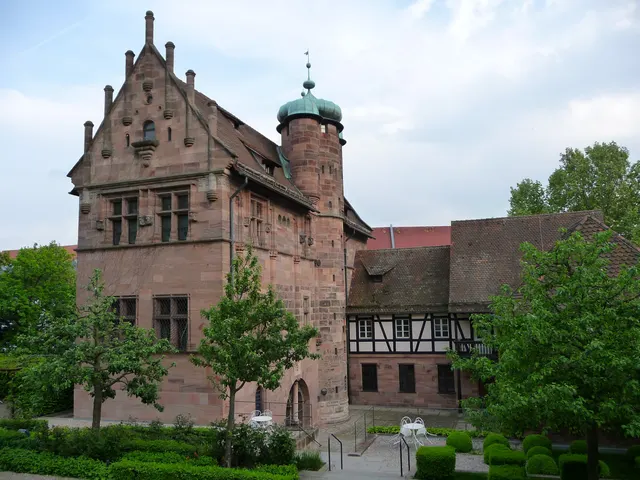
Museum Tucherschloss und Hirsvogelsaal
Museum Tucherschloss und Hirsvogelsaal presents a glimpse into the lives of Nuremberg's historic families, featuring beautifully preserved rooms and art.
🎨 Museum⏱ 1–2 hours⭐ 8/10📍 Old Town
View details →
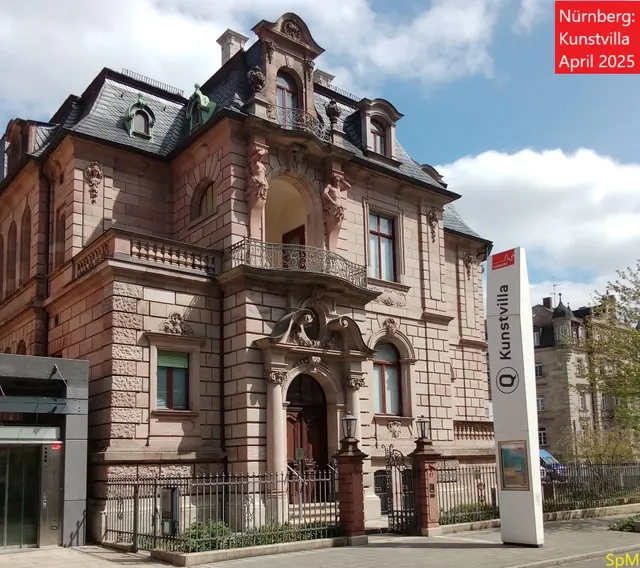
Kunstvilla Nürnberg
Kunstvilla Nürnberg hosts art exhibitions that can be enjoyed for free, making it a great stop for art lovers on a budget.
🎨 Museum⏱ 1–2 hours⭐ 7/10📍 Gostenhof
View details →
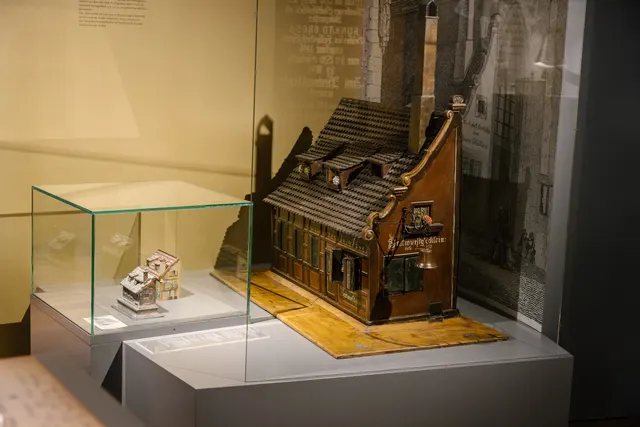
Nürnberger Bratwurstmuseum
Nürnberger Bratwurstmuseum offers a fun look into local cuisine, and you can often sample the famous bratwurst without spending much.
🎨 Museum⏱ 1 hour⭐ 6/10📍 Old Town
View details →

Museum of Communication of Nuremberg
The Museum of Communication of Nuremberg dives into the history of communication technologies, highlighting their evolution and impact on society.
🎨 Museum⏱ 1–2 hours⭐ 7/10📍 Old Town
View details →
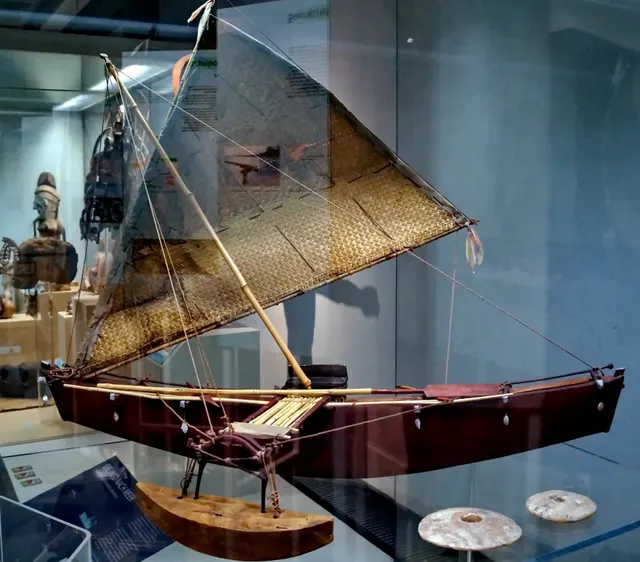
Natural History Museum
The Natural History Museum presents exhibits on the natural world, including fossils, minerals, and various species, appealing to nature enthusiasts.
🎨 Museum⏱ 2 hours⭐ 7/10📍 St. Johannis
View details →
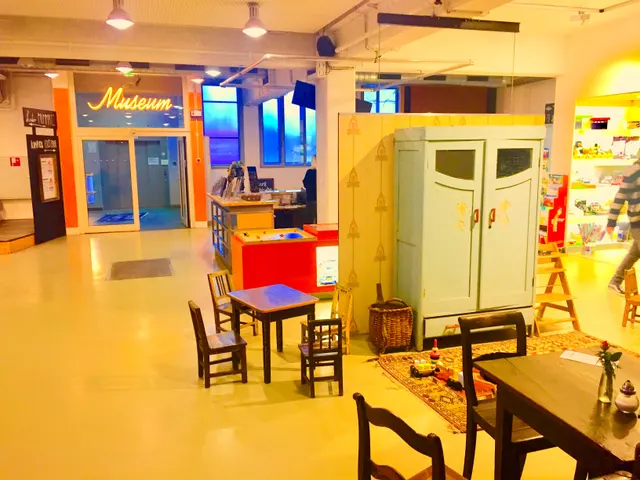
Kindermuseum Nürnberg im Kachelbau
Kindermuseum Nürnberg im Kachelbau offers interactive exhibits designed for children, making it a fun and educational experience for families.
🎨 Museum⏱ 1–2 hours⭐ 6/10📍 Old Town
View details →
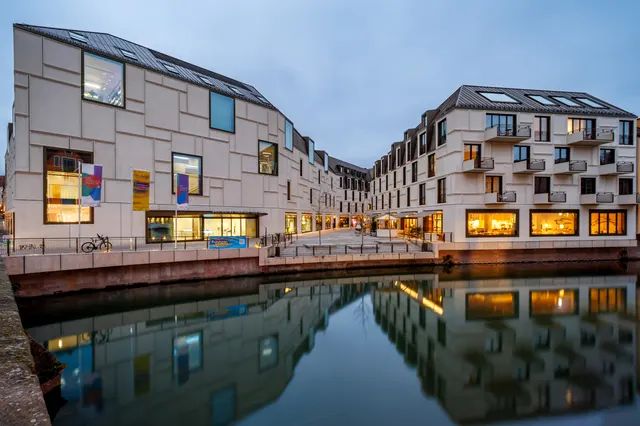
Deutsches Museum Nürnberg - Das Zukunftsmuseum
Deutsches Museum Nürnberg - Das Zukunftsmuseum focuses on future technologies and innovations, making it an engaging stop for those interested in science and design.
🎨 Museum⏱ 1–2 hours⭐ 7/10📍 St. Johannis
View details →
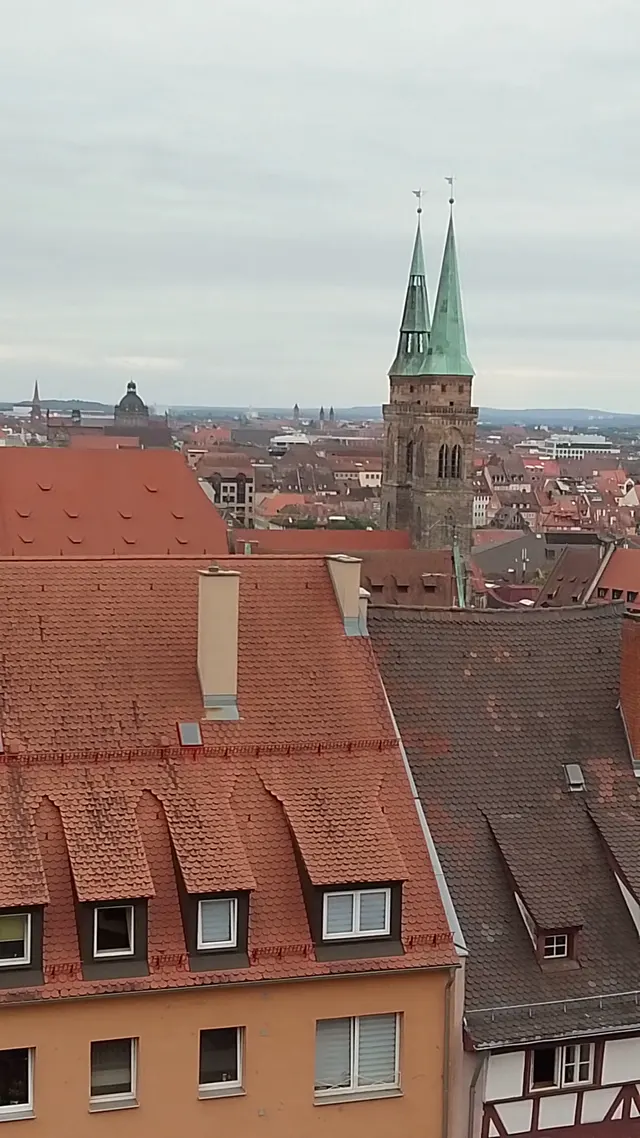
Imperial Castle of Nuremberg
The Imperial Castle of Nuremberg, a historic landmark, showcases medieval architecture and served as a residence for Holy Roman Emperors. Its strategic location offers insights into the city's past as a center of power. Explore the castle's towers and museums to understand its historical significance.
🎨 Attraction⏱ 1–2 hours⭐ 10/10📍 Old Town
View details →

Documentation Center Nazi Party Rally Grounds
The Documentation Center Nazi Party Rally Grounds is an essential site for understanding the impact of Nazi propaganda in Germany. The center is located on the former rally grounds and features exhibitions that critically examine this dark chapter in history. It provides a somber yet educational experience for visitors.
🎨 Museum⏱ 1–2 hours⭐ 9/10📍 Nazi Party Rally Grounds
View details →
Museums & galleries in Nuremberg
Structured by type for long-tail museum searches — plan 2–4 hours per major institution.
History Museums
Museum Tucherschloss und Hirsvogelsaal
Explore the lives of Nuremberg's historic families through beautifully preserved rooms and art.
⏱ 1-2 hours⭐ 9/10💰 €6
Nürnberger Bratwurstmuseum
Delve into local cuisine with fun exhibits and bratwurst samples.
⏱ 1 hour⭐ 7/10💰 €4
Museum of Communication of Nuremberg
Learn about the evolution of communication technologies and their societal impacts.
⏱ 1-2 hours⭐ 8/10💰 €5
Natural History Museum
Exhibits on fossils, minerals, and species for nature enthusiasts.
⏱ 1-2 hours⭐ 8/10💰 €7
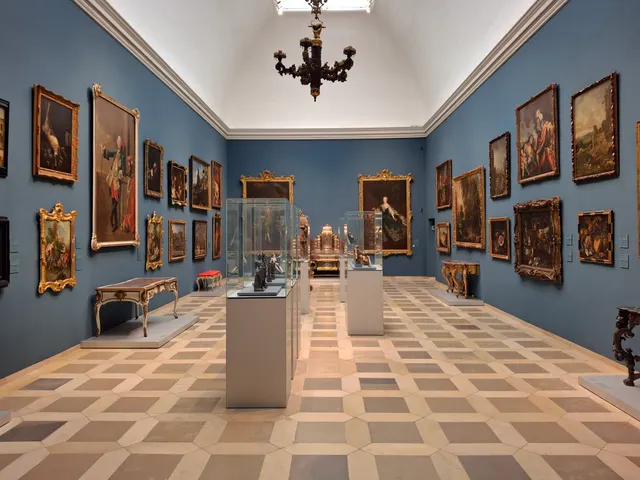
Germanisches Nationalmuseum
The largest museum of cultural history in the German-speaking world.
⏱ 2-3 hours⭐ 10/10💰 €10
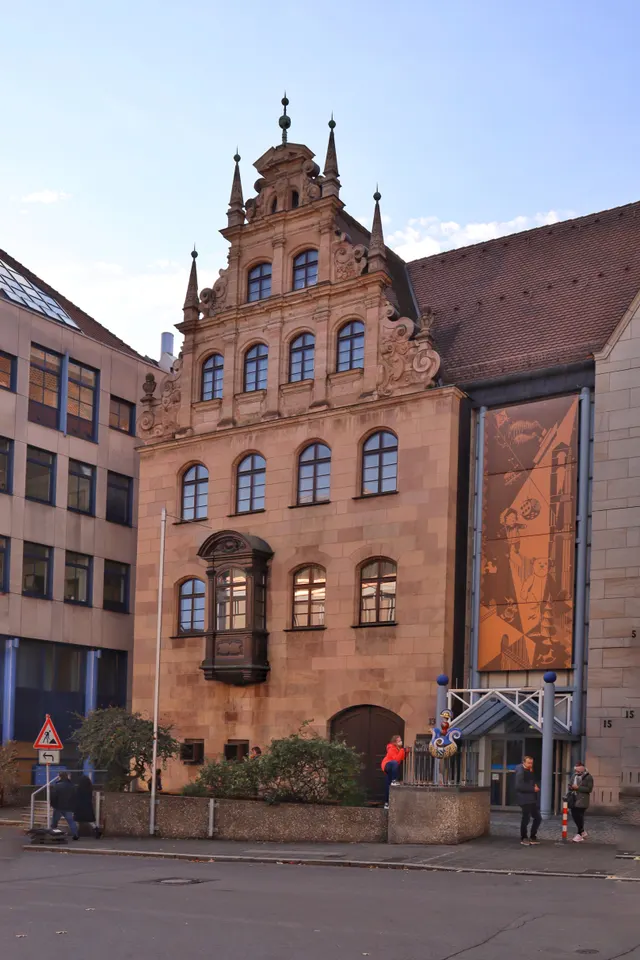
Documentation Center Nazi Party Rally Grounds
Essential for understanding the impact of Nazi propaganda in Germany.
⏱ 1-2 hours⭐ 9/10💰 €5
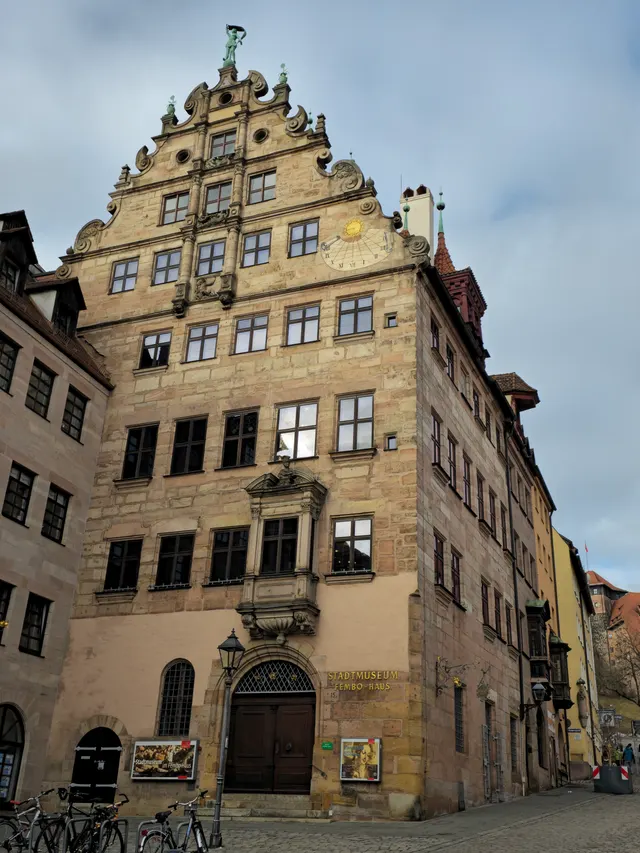
Stadtmuseum im Fembo-Haus
Insights into Nuremberg's history and culture in a Renaissance building.
⏱ 1-2 hours⭐ 9/10💰 €6
Contemporary & Independent Art
Deutsches Museum Nürnberg - Das Zukunftsmuseum
Focuses on future technologies and innovations.
⏱ 1-2 hours⭐ 8/10💰 €8
Hotels near cultural sights in Nuremberg
Stays close to museums, heritage districts and the cultural stops in this guide.

Near Museums
NH Collection Nürnberg City
4.5(2,751 reviews)Modern comfort near cultural attractions and museums.
Close to Nuremberg's historic Old Town.Culture score: 8/10

Near Museums
Novotel Nuernberg Centre Ville
4.4(2,852 reviews)A culture-focused base in Nuremberg — walk to museums, heritage sites and the stops in this guide.
4 min walk from Kunstvilla NürnbergCulture score: 9/10

Near Museums
Leonardo Royal Hotel Nürnberg
4.5(2,165 reviews)A culture-focused base in Nuremberg — walk to museums, heritage sites and the stops in this guide.
4 min walk from New Museum - Nuremberg State Museum of Art and DesignCulture score: 9/10

Near Museums
B&B HOTEL Nürnberg-City
4.3(2,818 reviews)A culture-focused base in Nuremberg — walk to museums, heritage sites and the stops in this guide.
3 min walk from German Railway Museum NurembergCulture score: 8.5/10
Architecture & heritage in Nuremberg
From merchant houses to modern design — how building styles reveal the city's history.
Gothic
12th-16th century
Characterized by pointed arches and ribbed vaults, showcasing grandeur.
Examples: St. Sebald Church, Nuremberg Castle.
Renaissance
16th century
Marked by symmetry and proportion, reflecting humanism.
Examples: Albrecht Dürer House, Fembo-Haus.
Baroque
17th-18th century
Features elaborate decorations and grandeur.
Examples: St. Lawrence Church, the former City Hall.
Neoclassical
19th century
Inspired by classical antiquity, emphasizing columns and domes.
Examples: Nuremberg State Theater.
Local traditions & lifestyle in Nuremberg
Insider-level customs — origin, modern meaning and where to experience them today.
Christkindlesmarkt
- Origin
- Originating in the 16th century as a Christmas market.
- Modern meaning
- A beloved holiday tradition attracting visitors worldwide.
- Where to experience
- In the main market square during Advent.
Nuremberg Sausage
- Origin
- Dating back to the 14th century, known for its unique flavor.
- Modern meaning
- A culinary staple representing local cuisine.
- Where to experience
- At local eateries and the Bratwurst Museum.
Nuremberg Toy Fair
- Origin
- Established in 1949, one of the largest toy fairs globally.
- Modern meaning
- Celebrates the toy industry and innovation.
- Where to experience
- At the NürnbergMesse in February.
Festivals & cultural events in Nuremberg
Seasonal highlights that reshape the city — plan around dates for the richest cultural experience.
Nuremberg Christkindlesmarkt
Winter · late Nov–late Dec
Famous Christmas market featuring crafts and local delicacies.
👥 Families and tourists💰 Free entry; prices vary for goods⭐ A cherished tradition celebrating the holiday spirit.
Nuremberg International Human Rights Film Festival
Winter · early Dec
Showcases films addressing human rights issues.
👥 Film enthusiasts💰 Varies by screening⭐ Promotes awareness of human rights.
Nuremberg Old Town Festival
Summer · mid-July
Celebrates local culture with music, food, and crafts.
👥 Local residents and visitors💰 Free entry; costs for food and crafts⭐ Showcases the community's heritage.
Nuremberg Summer Arts Festival
Summer · Typically June–August
Open-air concerts, outdoor cinema and neighborhood stages that show how Nuremberg lives culture beyond museum walls.
👥 All ages💰 Many free / paid headline nights⭐ Living culture in public space
Nuremberg Heritage / Museum Night
Spring or Autumn · Usually one evening in May or September (verify yearly)
Timed evening openings when major museums and monuments stay open late with special programs.
👥 Culture travelers💰 Often free or reduced⭐ Access to flagship collections after hours
Nuremberg Music & Opera Season
Autumn–Spring · Typically September–June
Classical and contemporary programs in historic halls and modern venues across the season.
👥 Music lovers💰 Ticketed⭐ Performing arts identity
Cultural itineraries in Nuremberg
Ready-made routes from one-day highlights to deep three-day immersion and alternative repeat-visitor paths.
1 day
Cultural Highlights of Nuremberg
- 09:30Explore the Imperial Castle
- 11:00Visit the Germanisches Nationalmuseum
- 13:00Lunch at a local café
- 14:30Discover the Documentation Center
- 16:00Stroll through the Old Town
- 18:00Dinner at a traditional restaurant
3 days
Deep Cultural Exploration
- Day 1Visit the Germanisches Nationalmuseum
- Day 1Explore the Toy Museum
- Day 1Dinner at a local restaurant
- Day 2Discover the Imperial Castle
- Day 2Visit the Documentation Center
- Day 2Enjoy a local café
- Day 3Explore Kunstvilla Nürnberg
- Day 3Visit the Natural History Museum
- Day 3Dinner at a traditional restaurant
Alternative
Off the Beaten Path in Nuremberg
- 10:00Visit the Museum of Industrial Culture
- 12:00Explore the Z-Bau - House of Contemporary Culture
- 14:00Lunch at a trendy café
- 15:30Visit the Bernstein-Museum Nürnberg
Flagship Nuremberg museums cap daily entries — book the timed slots on these routes first.
Book the paid stopsUnderstanding Nuremberg culture
Deep context for broad searches — history, art, identity and etiquette before you explore.
History That Shaped The City
Nuremberg's history is marked by its role as a center of trade and politics in the Holy Roman Empire. The city is known for the Nuremberg Trials post-World War II, which addressed war crimes. Its medieval architecture, including the iconic Nuremberg Castle and St. Sebald Church, reflects its rich past.
Art Movements
Nuremberg has a vibrant art scene that spans centuries, from the works of Albrecht Dürer, a key figure of the Northern Renaissance, to contemporary artists showcased in venues like Kunstvilla. The city hosts numerous art exhibitions and fairs, fostering creativity and innovation.
Architecture Evolution
Nuremberg's architecture showcases a blend of styles, including Gothic, Renaissance, and Baroque. Notable examples include the Gothic St. Sebald Church, the Renaissance Albrecht Dürer House, and the Baroque City Hall. This architectural diversity reflects the city's historical significance.
Local Identity
Nuremberg's identity is closely tied to its culinary traditions, particularly the Nuremberg sausage and gingerbread. These local specialties are celebrated during festivals and in markets, embodying the city's rich food culture and community spirit.
Traditions & Customs
Nuremberg is known for its traditions, such as the Christkindlesmarkt, a Christmas market that has been held for centuries. This event brings together locals and visitors, showcasing crafts, food, and the festive spirit that defines the city during the holiday season.
Modern Cultural Scene
The contemporary cultural scene in Nuremberg is vibrant, with venues like Z-Bau serving as hubs for art, music, and community events. The city's commitment to fostering creativity is evident in its support for local artists and cultural initiatives.
10 common cultural trip mistakes in Nuremberg
Stereotypes that waste time — and how to experience the city more deeply.
1. Focusing Only on Museums
Many visitors miss out on Nuremberg's vibrant street life and festivals by only visiting museums. Explore the city's markets and events for a fuller experience.
2. Neglecting Neighborhoods
Staying only in the tourist areas can limit your experience. Explore neighborhoods like St. Johannis for a taste of local life.
3. Ignoring Historical Context
Understanding Nuremberg's history enhances the experience. Take guided tours to learn about the city's significance in German history.
4. Overlooking Culinary Experiences
Nuremberg's food scene is rich. Don’t just eat at tourist spots; try local specialties like bratwurst and lebkuchen at authentic eateries.
5. Rushing Through Attractions
Take your time at each site. Rushing can lead to missing important details and the city's unique atmosphere.
6. Visiting Only in Winter
While the Christmas market is famous, Nuremberg offers vibrant experiences year-round. Plan visits in spring or summer for festivals and outdoor events.
7. Only visiting the top two museums
Nuremberg culture is deeper than a single flagship pair — mix Museum Tucherschloss und Hirsvogelsaal, Kunstvilla Nürnberg, Nürnberger Bratwurstmuseum, Museum of Communication of Nuremberg with a neighborhood heritage stop.
8. Skipping timed tickets
Rainy weekends and holidays fill major rooms fast; book ahead for the busiest collections in Nuremberg.
9. Zigzagging across the city
Cluster museums by district so transit does not erase half your cultural day in Nuremberg.
10. Treating temples/churches as photo sets only
Dress and behave for active worship spaces; culture includes etiquette, not just architecture.
Frequently asked questions
FAQ for Nuremberg Culture Guide: Art, History & Local Traditions (2026)
Is Nuremberg worth visiting for museums?
Yes, Nuremberg is definitely worth visiting for its museums. With over 10 significant museums, including the Germanisches Nationalmuseum and the Documentation Center, visitors can explore a wide range of cultural and historical topics. Prioritize Museum Tucherschloss und Hirsvogelsaal, Kunstvilla Nürnberg, Nürnberger Bratwurstmuseum, Museum of Communication of Nuremberg, book timed tickets where required, cluster stops by district to cut transit time, and balance one major museum with a walk or living tradition each day in Nuremberg.
How many days do you need for Nuremberg culture?
A 3-day trip is ideal for experiencing Nuremberg's culture. This allows enough time to visit major museums, explore historical sites, and enjoy local traditions and cuisine. Prioritize Museum Tucherschloss und Hirsvogelsaal, Kunstvilla Nürnberg, Nürnberger Bratwurstmuseum, Museum of Communication of Nuremberg, book timed tickets where required, cluster stops by district to cut transit time, and balance one major museum with a walk or living tradition each day in Nuremberg.
What are the UNESCO sites in Nuremberg?
Nuremberg's historical old town is recognized as a UNESCO World Heritage site. It showcases medieval architecture and significant historical landmarks, reflecting the city's rich cultural heritage. Prioritize Museum Tucherschloss und Hirsvogelsaal, Kunstvilla Nürnberg, Nürnberger Bratwurstmuseum, Museum of Communication of Nuremberg, book timed tickets where required, cluster stops by district to cut transit time, and balance one major museum with a walk or living tradition each day in Nuremberg.
What neighborhoods should I explore in Nuremberg?
Key neighborhoods to explore include the Old Town (Altstadt) for its medieval charm, the trendy Gostenhof for contemporary art, and the historic St. Lorenz district, known for its beautiful churches and museums. Prioritize Museum Tucherschloss und Hirsvogelsaal, Kunstvilla Nürnberg, Nürnberger Bratwurstmuseum, Museum of Communication of Nuremberg, book timed tickets where required, cluster stops by district to cut transit time, and balance one major museum with a walk or living tradition each day in Nuremberg.
What cultural etiquette should I know in Nuremberg?
In Nuremberg, it's polite to greet locals with a friendly 'Hallo' or 'Guten Tag.' When dining, wait for the host to begin the meal, and remember to say 'Guten Appetit' before eating. Prioritize Museum Tucherschloss und Hirsvogelsaal, Kunstvilla Nürnberg, Nürnberger Bratwurstmuseum, Museum of Communication of Nuremberg, book timed tickets where required, cluster stops by district to cut transit time, and balance one major museum with a walk or living tradition each day in Nuremberg.
Are there free cultural activities in Nuremberg?
Yes, Nuremberg offers several free cultural activities, such as walking tours of the Old Town, visiting public parks, and attending local festivals. Many museums also have free admission days. Prioritize Museum Tucherschloss und Hirsvogelsaal, Kunstvilla Nürnberg, Nürnberger Bratwurstmuseum, Museum of Communication of Nuremberg, book timed tickets where required, cluster stops by district to cut transit time, and balance one major museum with a walk or living tradition each day in Nuremberg.
What festivals take place in Nuremberg?
Nuremberg hosts several festivals throughout the year, including the famous Christkindlesmarkt in December, the Nuremberg Folk Festival in July, and the International Circus Festival in February. Prioritize Museum Tucherschloss und Hirsvogelsaal, Kunstvilla Nürnberg, Nürnberger Bratwurstmuseum, Museum of Communication of Nuremberg, book timed tickets where required, cluster stops by district to cut transit time, and balance one major museum with a walk or living tradition each day in Nuremberg.
How can I book tickets for Nuremberg museums?
Tickets for Nuremberg museums can be booked online through their official websites or at the museum entrances. Consider purchasing a Nuremberg Card for combined access to multiple sites. Prioritize Museum Tucherschloss und Hirsvogelsaal, Kunstvilla Nürnberg, Nürnberger Bratwurstmuseum, Museum of Communication of Nuremberg, book timed tickets where required, cluster stops by district to cut transit time, and balance one major museum with a walk or living tradition each day in Nuremberg.
What is the best time to visit Nuremberg for culture?
The best time to visit Nuremberg for culture is during the spring and fall. These seasons offer pleasant weather for exploring outdoor sites and many cultural events and festivals. Prioritize Museum Tucherschloss und Hirsvogelsaal, Kunstvilla Nürnberg, Nürnberger Bratwurstmuseum, Museum of Communication of Nuremberg, book timed tickets where required, cluster stops by district to cut transit time, and balance one major museum with a walk or living tradition each day in Nuremberg.
What is the café culture like in Nuremberg?
Nuremberg has a lively café culture, with numerous charming spots serving coffee and traditional pastries. Popular areas include the Old Town and Gostenhof, where locals enjoy socializing in cozy atmospheres. Prioritize Museum Tucherschloss und Hirsvogelsaal, Kunstvilla Nürnberg, Nürnberger Bratwurstmuseum, Museum of Communication of Nuremberg, book timed tickets where required, cluster stops by district to cut transit time, and balance one major museum with a walk or living tradition each day in Nuremberg.
What types of architecture can I see in Nuremberg?
Nuremberg showcases a variety of architectural styles, including Gothic, Renaissance, and Baroque. Notable examples include the St. Sebald Church (Gothic) and the beautiful Renaissance buildings in the Old Town. Prioritize Museum Tucherschloss und Hirsvogelsaal, Kunstvilla Nürnberg, Nürnberger Bratwurstmuseum, Museum of Communication of Nuremberg, book timed tickets where required, cluster stops by district to cut transit time, and balance one major museum with a walk or living tradition each day in Nuremberg.
Is Nuremberg worth visiting for museums and culture?
Yes — Nuremberg rewards museum-first travelers with dense collections and living traditions beyond postcard landmarks. Anchor days around Museum Tucherschloss und Hirsvogelsaal, Kunstvilla Nürnberg, Nürnberger Bratwurstmuseum, Museum of Communication of Nuremberg, book timed tickets for the busiest rooms, and leave evenings for neighborhoods, food rituals, or a quieter gallery so culture feels local rather than checklist-driven.
What is Nuremberg famous for culturally?
Nuremberg is known for layered history, major museum collections, distinctive architecture and living traditions that blend heritage with contemporary creativity.
Are there UNESCO World Heritage sites in Nuremberg?
Check the architecture and highlights sections for verified UNESCO-listed districts, monuments or historic ensembles in and around Nuremberg.
Which neighborhoods have the strongest cultural identity?
Historic cores and museum quarters anchor first visits; residential and creative districts reveal how locals actually live and make art.
How many days do you need for culture in Nuremberg?
Two days covers flagship museums and old town walks; three to four days allow festivals, independent galleries and deeper neighborhood time.
Do I need to book museum tickets in advance?
For top-tier national museums yes — timed entry prevents queue fatigue. Smaller municipal museums often allow same-day tickets.
What is the best season for cultural travel to Nuremberg?
Spring and autumn balance comfortable walking weather with festival seasons. Winter suits museum-heavy itineraries.
Are there free cultural attractions in Nuremberg?
Many cities offer free historic districts, churches, markets and select museum hours — see the highlights and traditions sections.
Is Nuremberg good for architecture lovers?
Use the architecture section to trace the city's verified local styles, landmark buildings and periods of urban change.
More culture guides beyond Nuremberg
Compare museums, heritage districts and local traditions in other TripByMood destinations.
Get free Nuremberg culture guide
Offline cultural map, museum shortlist, festival calendar and itinerary timeline — coming soon.
PDF export launches soon — bookmark this guide meanwhile.
Book your cultural Nuremberg trip
Museum passes, guided tours and audio guides — affiliate links help keep this guide free.
Nuremberg Museum Pass
City cards and multi-museum tickets for skip-the-line entry.
Compare passes →Cultural Tours in Nuremberg
Expert-led walks through historic districts and museum quarters.
Book tour →Audio Guides for Museums
Self-paced museum and architecture commentary on your phone.
Get audio guide →Concert Tickets in Nuremberg
Opera, classical and live venues that sell out weeks ahead.
See what is on →