
Seville · Spain
Seville Culture Guide: Art, History & Local Traditions (2026)
Explore the vibrant culture of Seville through its rich history, stunning architecture, and lively traditions.
The culture of Seville is a vibrant tapestry woven from centuries of history, art, and tradition, characterized by Flamenco, Moorish architecture, and a lively tapas scene. Visitors can explore numerous museums like the Seville Museum of Fine Arts and the Flamenco Dance Museum, which reflect the city's rich artistic heritage. Living traditions such as local festivals and the café culture provide an authentic experience of Seville's contemporary life. Plan your visit around key cultural events and explore diverse neighborhoods to truly understand the essence of this Andalusian gem. In short, culture in Seville is a mix of world-class collections and everyday rituals — café habits, markets and seasonal festivals — not a checklist of landmarks alone. Use this guide to sequence Espacio Exploraterra · Centro Nao Victoria, B A L C R I S Gallery, Palacio Marqueses de la Algaba, Archeological Museum of Seville, book timed tickets for the busiest museums, and leave room for architecture walks and neighborhood evenings that reveal local identity.
Key takeaways: culture in Seville
- 3 UNESCO World Heritage Sites in Seville.
- 14 museums showcasing art and history.
- Typical museum ticket prices range from €5 to €15.
- Seville hosts 12 major festivals throughout the year.
- Recommended visit duration: 3-4 days for a cultural experience.
Essential tips
- Book museum tickets in advance to avoid long queues.
- Explore different neighborhoods like Triana and Santa Cruz for a taste of local life.
- Try to catch a Flamenco show for an authentic cultural experience.
- Visit during the spring for festivals like Feria de Abril for a colorful celebration.
- Use public transport or walk to fully enjoy the city's historic districts.
Culture snapshot for Seville
Scan the cultural DNA before diving into museums, districts and festivals.
What defines culture?
- Seville's culture is defined by its rich history, flamenco traditions, and unique architectural styles.
Perfect for
- Art lovers, history enthusiasts, and those wanting to experience authentic flamenco.
Cultural highlights in Seville
Key museums, heritage sites, districts and cultural landmarks ranked by importance — optimized for planning and search snippets.

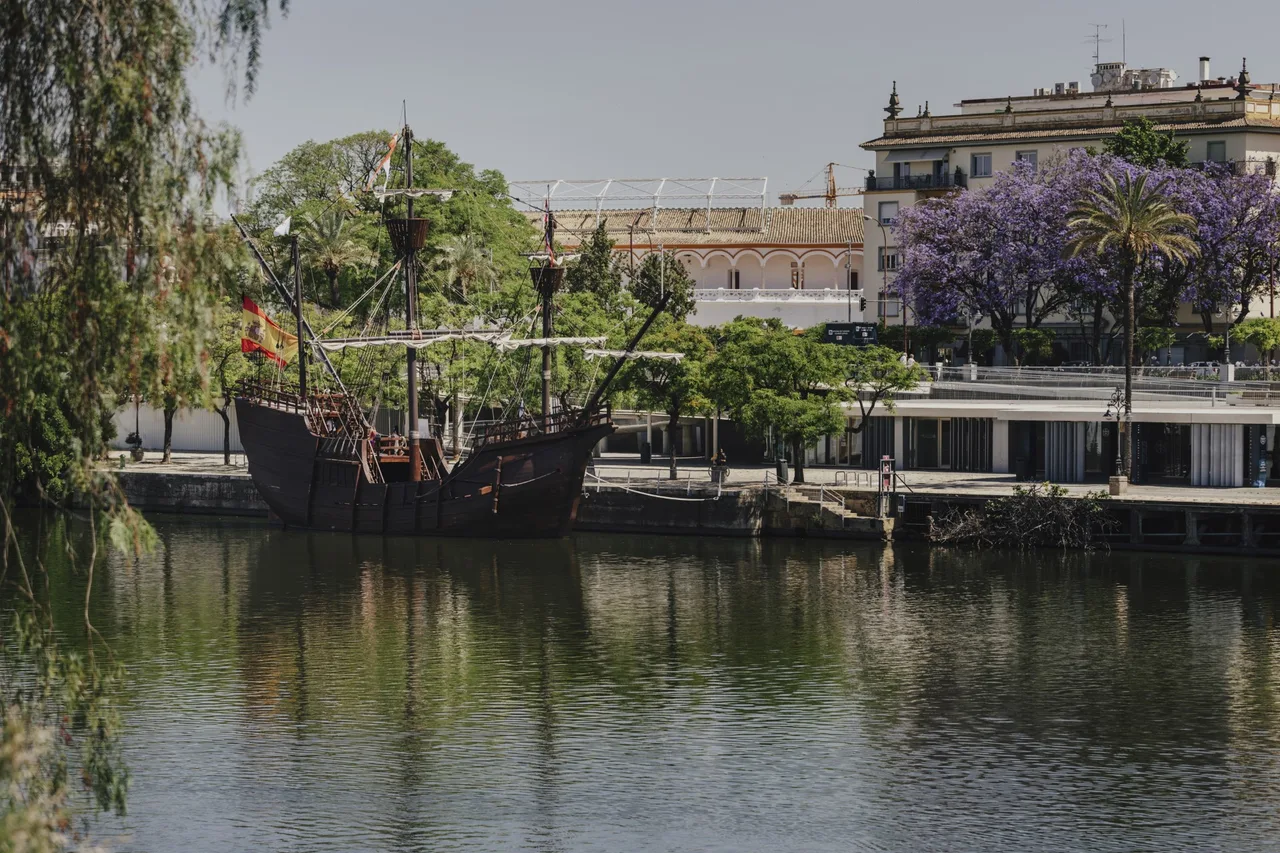
Espacio Exploraterra · Centro Nao Victoria
Espacio Exploraterra · Centro Nao Victoria offers insights into maritime history and exploration. While some exhibits may have fees, the area around it provides a pleasant environment for a stroll.
🎨 Museum⏱ 1–2 hours⭐ 8/10📍 Triana
View details →
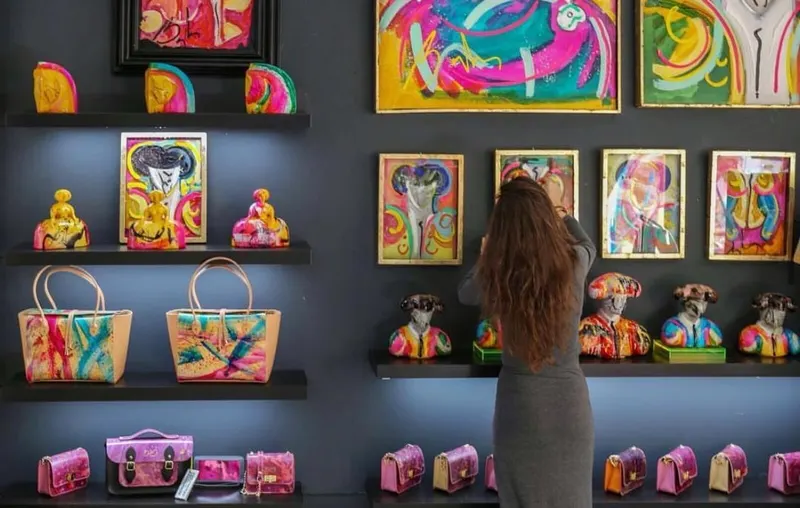
B A L C R I S Gallery
B A L C R I S Gallery features contemporary art and is a great spot to appreciate modern creativity. The gallery provides an excellent indoor experience while waiting for the rain to pass.
🎨 Gallery⏱ 1–2 hours⭐ 7/10📍 Centro
View details →

Palacio Marqueses de la Algaba
The Palacio Marqueses de la Algaba features a blend of architectural styles and beautiful gardens. While the gardens may be wet, the interior is a cozy retreat filled with history.
🎨 Museum⏱ 1–2 hours⭐ 9/10📍 Macarena
View details →

Archeological Museum of Seville
The Archeological Museum of Seville houses a variety of artifacts from ancient civilizations. It’s a great indoor option for history enthusiasts while the rain continues outside.
🎨 Museum⏱ 1–2 hours⭐ 9/10📍 Parque de María Luisa
View details →

Centro Cerámica Triana
At the Centro Cerámica Triana, delve into the art of ceramics that Seville is famous for. This museum provides a creative indoor experience to enjoy while the rain falls outside.
🎨 Museum⏱ 1–2 hours⭐ 8/10📍 Triana
View details →

Military Historical Museum of Seville
The Military Historical Museum of Seville offers insights into Spain's military past through its extensive collection. The indoor exhibits are perfect for a rainy day exploration.
🎨 Museum⏱ 1–2 hours⭐ 7/10📍 Centro
View details →

House Fabiola-Mariano Bellver Donation
The House Fabiola-Mariano Bellver Donation features an art collection that reflects the region's cultural heritage. It's a quiet place to appreciate art while staying out of the rain.
🎨 Museum⏱ 1–2 hours⭐ 8/10📍 Centro
View details →
Antiquarium
The Antiquarium is an archaeological museum that showcases Roman artifacts in a unique underground setting. It's a fascinating place to explore history without having to deal with the rain.
🎨 Museum⏱ 1–2 hours⭐ 9/10📍 Centro
View details →

Museum of Popular Arts and Customs of Seville
Discover local craftsmanship at the Museum of Popular Arts and Customs of Seville. This museum highlights traditional Andalusian culture, making it a cozy spot to learn while keeping dry.
🎨 Museum⏱ 1–2 hours⭐ 8/10📍 Centro
View details →
Museums & galleries in Seville
Structured by type for long-tail museum searches — plan 2–4 hours per major institution.
Art Museums

Seville Museum of Fine Arts
Admire an extensive collection of Spanish paintings from the medieval period to the early 20th century.
⏱ 2-3 hours⭐ 10/10💰 €6

Palace of the Countess of Lebrija
See a remarkable collection of Roman mosaics and art in this elegant setting.
⏱ 1-2 hours⭐ 9/10💰 €8
History Museums
Espacio Exploraterra · Centro Nao Victoria
Explore maritime history and exploration at this engaging museum.
⏱ 1-2 hours⭐ 8/10💰 €8
Archeological Museum of Seville
Discover artifacts from ancient civilizations in this fascinating museum.
⏱ 1-2 hours⭐ 9/10💰 €4
Military Historical Museum of Seville
Gain insights into Spain's military past through extensive collections.
⏱ 1-2 hours⭐ 8/10💰 €6
Museum of Popular Arts and Customs of Seville
Learn about traditional Andalusian culture and craftsmanship.
⏱ 1-2 hours⭐ 9/10💰 €5
Contemporary & Independent Art
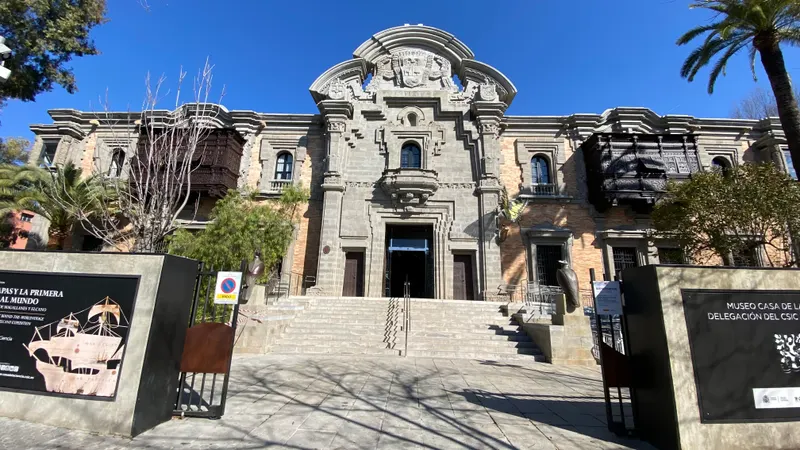
Casa de la Ciencia
Engage with science and nature exhibits perfect for curious minds.
⏱ 1-2 hours⭐ 7/10💰 €5
Hotels near cultural sights in Seville
Stays close to museums, heritage districts and the cultural stops in this guide.
Near Museums
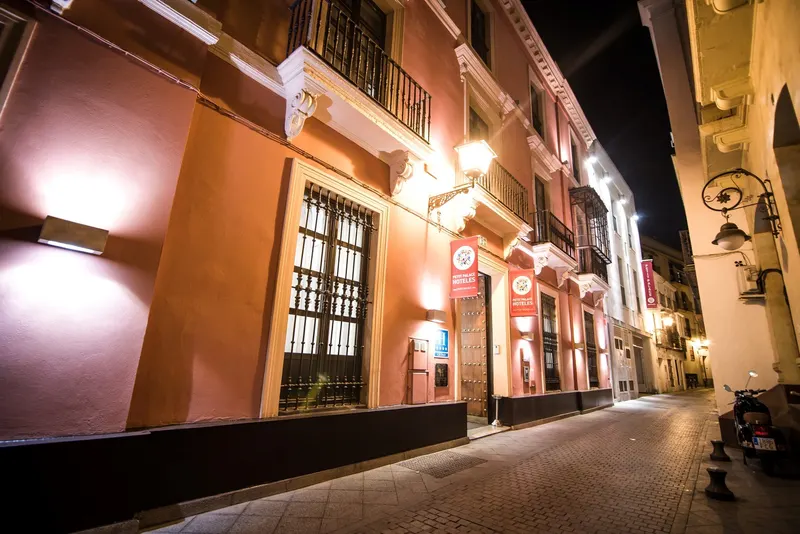
Petit Palace Marqués Santa Ana
4.5(1,465 reviews)A culture-focused base in Seville — walk to museums, heritage sites and the stops in this guide.
3 min walk from B A L C R I S GalleryCulture score: 9/10
Near Museums
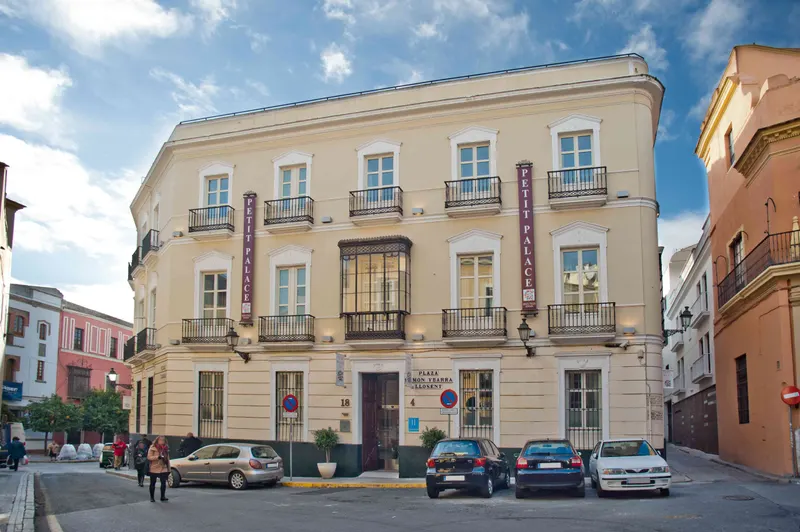
Petit Palace Santa Cruz
4.5(1,224 reviews)A culture-focused base in Seville — walk to museums, heritage sites and the stops in this guide.
3 min walk from House Fabiola-Mariano Bellver DonationCulture score: 9/10
Near Museums
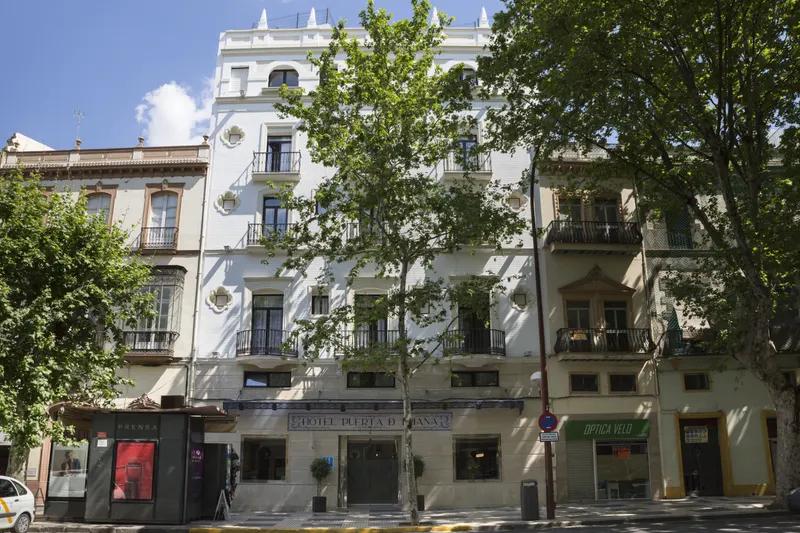
Petit Palace Puerta de Triana
4.5(1,668 reviews)A culture-focused base in Seville — walk to museums, heritage sites and the stops in this guide.
Near Seville Museum of Fine ArtsCulture score: 9/10

Near Museums
Meliá Sevilla
4.4(6,833 reviews)A culture-focused base in Seville — walk to museums, heritage sites and the stops in this guide.
Near Military Historical Museum of SevilleCulture score: 9/10
Architecture & heritage in Seville
From merchant houses to modern design — how building styles reveal the city's history.
Mudéjar Architecture
12th-16th century
A unique blend of Islamic and Christian styles, characterized by intricate tile work and arches.
Examples: Royal Alcázar of Seville, La Giralda
Gothic Architecture
13th-16th century
Known for its grandeur and verticality, featuring pointed arches and ribbed vaults.
Examples: Catedral de Sevilla
Renaissance Architecture
16th century
Characterized by symmetry, proportion, and geometry, reflecting a revival of classical styles.
Examples: Palace of the Countess of Lebrija
Baroque Architecture
17th-18th century
Dramatic and elaborate, often using bold colors and intricate details.
Examples: Hospital de la Caridad
Local traditions & lifestyle in Seville
Insider-level customs — origin, modern meaning and where to experience them today.
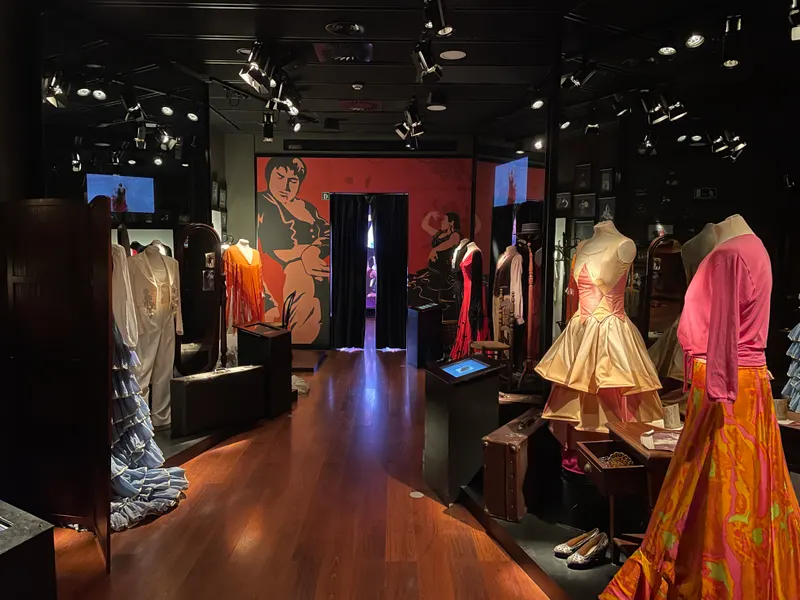
Flamenco
- Origin
- Originated in Andalusia in the 18th century.
- Modern meaning
- A symbol of cultural identity and expression.
- Where to experience
- Casa de la Memoria Centro Cultural Flamenco
Semana Santa (Holy Week)
- Origin
- A religious tradition dating back to the Middle Ages.
- Modern meaning
- A time of reflection and community celebration.
- Where to experience
- Various neighborhoods during Holy Week.
Feria de Abril (April Fair)
- Origin
- Started in 1847 as a livestock fair.
- Modern meaning
- A vibrant celebration of local culture and traditions.
- Where to experience
- Los Remedios neighborhood.
Festivals & cultural events in Seville
Seasonal highlights that reshape the city — plan around dates for the richest cultural experience.
Semana Santa
Spring · March 28 – April 4, 2024
A deeply religious festival featuring processions throughout the city.
👥 Families, tourists, locals💰 Free to attend⭐ One of the most important religious celebrations in Spain.
Feria de Abril
Spring · April 16 – April 22, 2024
A week-long fair with flamenco, food, and festivities.
👥 Everyone💰 Entry is free; food and drinks vary.⭐ Celebrates Seville's culture and traditions.
Bienal de Flamenco
Fall · September 2024
A biennial flamenco festival showcasing top artists.
👥 Flamenco enthusiasts💰 Ticket prices vary.⭐ Highlights the importance of flamenco in Seville.
Seville Summer Arts Festival
Summer · Typically June–August
Open-air concerts, outdoor cinema and neighborhood stages that show how Seville lives culture beyond museum walls.
👥 All ages💰 Many free / paid headline nights⭐ Living culture in public space
Seville Heritage / Museum Night
Spring or Autumn · Usually one evening in May or September (verify yearly)
Timed evening openings when major museums and monuments stay open late with special programs.
👥 Culture travelers💰 Often free or reduced⭐ Access to flagship collections after hours
Seville Music & Opera Season
Autumn–Spring · Typically September–June
Classical and contemporary programs in historic halls and modern venues across the season.
👥 Music lovers💰 Ticketed⭐ Performing arts identity
Cultural itineraries in Seville
Ready-made routes from one-day highlights to deep three-day immersion and alternative repeat-visitor paths.
1 day
A Day in Seville's Cultural Heart
- 09:30Visit the Seville Museum of Fine Arts
- 11:30Stroll through the historic Santa Cruz neighborhood
- 13:00Lunch at a local tapas bar
- 15:00Explore the Royal Alcázar of Seville
- 17:30Relax at Murillo Gardens
- 20:00Enjoy a flamenco show at Casa de la Memoria
3 days
Deep Dive into Seville's Culture
Alternative
Exploring Seville Beyond the Main Attractions
Flagship Seville museums cap daily entries — book the timed slots on these routes first.
Book the paid stopsUnderstanding Seville culture
Deep context for broad searches — history, art, identity and etiquette before you explore.
History That Shaped The City
Seville's history is rich and complex, marked by periods of Roman, Islamic, and Christian rule. The city's architectural landscape reflects this diversity, with landmarks like the Catedral de Sevilla and the Royal Alcázar showcasing the influences of different eras. The city's strategic location along the Guadalquivir River made it a vital trade hub, contributing to its cultural richness.
Art Movements
Seville has been a center for various art movements, particularly during the Golden Age of the 16th century when artists like Murillo and Zurbarán flourished. The Seville Museum of Fine Arts houses many of these masterpieces, offering insight into the city’s artistic legacy. Contemporary art continues to thrive in galleries like B A L C R I S Gallery, bridging the past and present.
Architecture Evolution
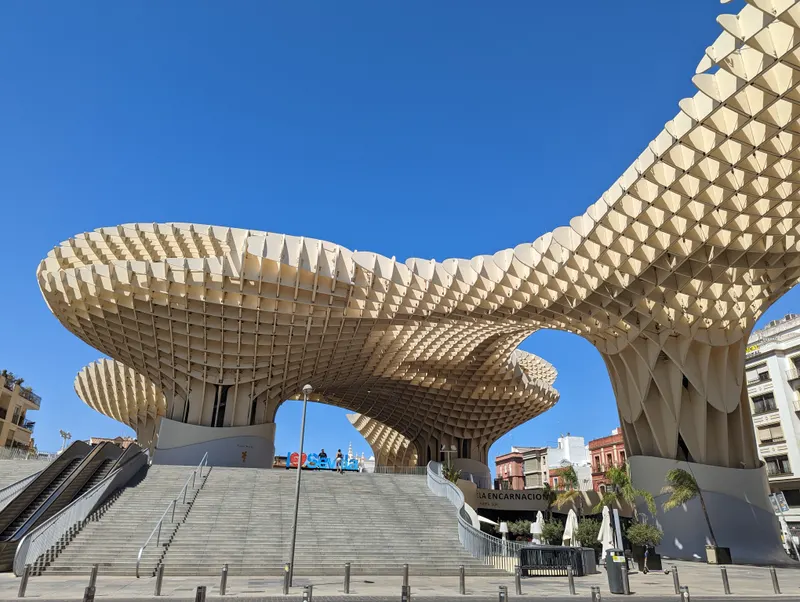
The architectural evolution of Seville is a testament to its diverse cultural influences. From the Mudéjar style seen in the Royal Alcázar to the Gothic grandeur of the Catedral de Sevilla, each structure tells a story. The Baroque period added dramatic flair, as seen in the Hospital de la Caridad, while modern structures like Setas de Sevilla showcase innovative design.
Local Identity
Seville's local identity is deeply intertwined with its traditions, particularly flamenco, which is recognized worldwide. The city is home to numerous flamenco venues, where the passion and artistry of this dance form can be experienced. The vibrant street life and local markets further enhance the city's unique character, offering a glimpse into everyday Andalusian life.
Traditions & Customs
Seville is known for its rich customs, such as the Semana Santa and Feria de Abril. These festivals not only celebrate religious and cultural heritage but also foster community spirit. The traditions of tapas and outdoor dining reflect the city’s social culture, where food and conversation go hand in hand, creating a warm and inviting atmosphere.
Modern Cultural Scene
Today, Seville's cultural scene is vibrant and dynamic, with a mix of traditional and contemporary influences. The city hosts numerous cultural events, including art exhibitions, music festivals, and flamenco performances, making it a hub for creativity. The integration of modern art in historical settings enriches the cultural landscape, attracting both locals and tourists.
10 common cultural trip mistakes in Seville
Stereotypes that waste time — and how to experience the city more deeply.
1. Focusing Only on Museums
Many visitors overlook the vibrant street life and local traditions that define Seville's culture.
2. Neglecting Neighborhoods
Sticking only to tourist hotspots can lead to missing out on the charm of local neighborhoods like Triana and Santa Cruz.
3. History-Only Approach
While Seville's history is fascinating, ignoring contemporary culture and art can limit your experience.
4. Skipping Festivals
Visiting during major festivals like Semana Santa or Feria de Abril offers a unique cultural experience that shouldn't be missed.
5. Not Booking in Advance
Many popular attractions and shows can sell out quickly, especially during peak seasons.
6. Tourist-Zone Only
Staying exclusively in tourist areas limits your exposure to authentic local life and experiences.
7. Only visiting the top two museums
Seville culture is deeper than a single flagship pair — mix Espacio Exploraterra · Centro Nao Victoria, B A L C R I S Gallery, Palacio Marqueses de la Algaba, Archeological Museum of Seville with a neighborhood heritage stop.
8. Skipping timed tickets
Rainy weekends and holidays fill major rooms fast; book ahead for the busiest collections in Seville.
9. Zigzagging across the city
Cluster museums by district so transit does not erase half your cultural day in Seville.
10. Treating temples/churches as photo sets only
Dress and behave for active worship spaces; culture includes etiquette, not just architecture.
Frequently asked questions
FAQ for Seville Culture Guide: Art, History & Local Traditions (2026)
Is Seville worth visiting for museums?
Yes, Seville is definitely worth visiting for its museums. The city boasts a rich array of museums, including the Seville Museum of Fine Arts and the Archeological Museum, showcasing both historical and contemporary art. Prioritize Espacio Exploraterra · Centro Nao Victoria, B A L C R I S Gallery, Palacio Marqueses de la Algaba, Archeological Museum of Seville, book timed tickets where required, cluster stops by district to cut transit time, and balance one major museum with a walk or living tradition each day in Seville.
How many days do you need for Seville culture?
You should plan for at least 3 days to fully immerse yourself in Seville's culture. This allows time to explore museums, experience Flamenco, and enjoy local cuisine in various neighborhoods. Prioritize Espacio Exploraterra · Centro Nao Victoria, B A L C R I S Gallery, Palacio Marqueses de la Algaba, Archeological Museum of Seville, book timed tickets where required, cluster stops by district to cut transit time, and balance one major museum with a walk or living tradition each day in Seville.
What are the UNESCO sites in Seville?
Seville is home to several UNESCO World Heritage sites, including the Cathedral of Seville, the Royal Alcázar, and the Archive of the Indies. These sites reflect the city's rich historical and architectural significance. Prioritize Espacio Exploraterra · Centro Nao Victoria, B A L C R I S Gallery, Palacio Marqueses de la Algaba, Archeological Museum of Seville, book timed tickets where required, cluster stops by district to cut transit time, and balance one major museum with a walk or living tradition each day in Seville.
What neighborhoods should I explore in Seville?
You should explore neighborhoods like Santa Cruz for its narrow streets and historic charm, Triana for its ceramics and Flamenco culture, and Macarena for its vibrant local life and markets. Prioritize Espacio Exploraterra · Centro Nao Victoria, B A L C R I S Gallery, Palacio Marqueses de la Algaba, Archeological Museum of Seville, book timed tickets where required, cluster stops by district to cut transit time, and balance one major museum with a walk or living tradition each day in Seville.
What is the cultural etiquette in Seville?
Seville's cultural etiquette includes greeting with a handshake or a kiss on the cheek, dining late (around 9 PM), and being respectful during religious festivals. Tipping is appreciated but not mandatory. Prioritize Espacio Exploraterra · Centro Nao Victoria, B A L C R I S Gallery, Palacio Marqueses de la Algaba, Archeological Museum of Seville, book timed tickets where required, cluster stops by district to cut transit time, and balance one major museum with a walk or living tradition each day in Seville.
How can I book tickets for cultural events in Seville?
You can book tickets for cultural events online through official websites or at local tourist information centers. It's advisable to book in advance for popular shows and exhibitions. Prioritize Espacio Exploraterra · Centro Nao Victoria, B A L C R I S Gallery, Palacio Marqueses de la Algaba, Archeological Museum of Seville, book timed tickets where required, cluster stops by district to cut transit time, and balance one major museum with a walk or living tradition each day in Seville.
Are there free cultural activities in Seville?
Yes, there are free cultural activities in Seville, including visiting public parks, exploring historic neighborhoods, and attending free Flamenco shows at local venues. Check local listings for events. Prioritize Espacio Exploraterra · Centro Nao Victoria, B A L C R I S Gallery, Palacio Marqueses de la Algaba, Archeological Museum of Seville, book timed tickets where required, cluster stops by district to cut transit time, and balance one major museum with a walk or living tradition each day in Seville.
What is the best time to visit Seville for culture?
The best time to visit Seville for culture is during the spring (March to May) when festivals like Semana Santa and Feria de Abril take place, showcasing the city's vibrant traditions. Prioritize Espacio Exploraterra · Centro Nao Victoria, B A L C R I S Gallery, Palacio Marqueses de la Algaba, Archeological Museum of Seville, book timed tickets where required, cluster stops by district to cut transit time, and balance one major museum with a walk or living tradition each day in Seville.
What is the significance of Flamenco in Seville?
Flamenco is a significant part of Seville's cultural identity, originating from the Andalusian gypsies. It reflects the region's history and emotions, and can be experienced through performances at various venues. Prioritize Espacio Exploraterra · Centro Nao Victoria, B A L C R I S Gallery, Palacio Marqueses de la Algaba, Archeological Museum of Seville, book timed tickets where required, cluster stops by district to cut transit time, and balance one major museum with a walk or living tradition each day in Seville.
What festivals are celebrated in Seville?
Seville hosts numerous festivals throughout the year, including Semana Santa (Holy Week) in March/April and Feria de Abril (April Fair) in late April, both celebrating local traditions with parades and music. Prioritize Espacio Exploraterra · Centro Nao Victoria, B A L C R I S Gallery, Palacio Marqueses de la Algaba, Archeological Museum of Seville, book timed tickets where required, cluster stops by district to cut transit time, and balance one major museum with a walk or living tradition each day in Seville.
What types of art can I find in Seville?
In Seville, you can find a diverse range of art, including traditional Andalusian ceramics, contemporary art in galleries like B A L C R I S, and historical art in museums like the Seville Museum of Fine Arts. Prioritize Espacio Exploraterra · Centro Nao Victoria, B A L C R I S Gallery, Palacio Marqueses de la Algaba, Archeological Museum of Seville, book timed tickets where required, cluster stops by district to cut transit time, and balance one major museum with a walk or living tradition each day in Seville.
What is the architecture style in Seville?
Seville's architecture is a blend of styles, including Gothic, Mudéjar, Renaissance, and Baroque. Notable examples are the Cathedral of Seville, the Royal Alcázar, and the Metropol Parasol. Prioritize Espacio Exploraterra · Centro Nao Victoria, B A L C R I S Gallery, Palacio Marqueses de la Algaba, Archeological Museum of Seville, book timed tickets where required, cluster stops by district to cut transit time, and balance one major museum with a walk or living tradition each day in Seville.
What is Seville famous for culturally?
Seville is known for layered history, major museum collections, distinctive architecture and living traditions that blend heritage with contemporary creativity.
Are there UNESCO World Heritage sites in Seville?
Check the architecture and highlights sections for verified UNESCO-listed districts, monuments or historic ensembles in and around Seville.
Which neighborhoods have the strongest cultural identity?
Historic cores and museum quarters anchor first visits; residential and creative districts reveal how locals actually live and make art.
How many days do you need for culture in Seville?
Two days covers flagship museums and old town walks; three to four days allow festivals, independent galleries and deeper neighborhood time.
Do I need to book museum tickets in advance?
For top-tier national museums yes — timed entry prevents queue fatigue. Smaller municipal museums often allow same-day tickets.
What is the best season for cultural travel to Seville?
Spring and autumn balance comfortable walking weather with festival seasons. Winter suits museum-heavy itineraries.
Are there free cultural attractions in Seville?
Many cities offer free historic districts, churches, markets and select museum hours — see the highlights and traditions sections.
Is Seville good for architecture lovers?
Use the architecture section to trace the city's verified local styles, landmark buildings and periods of urban change.
More culture guides beyond Seville
Compare museums, heritage districts and local traditions in other TripByMood destinations.
Get free Seville culture guide
Offline cultural map, museum shortlist, festival calendar and itinerary timeline — coming soon.
PDF export launches soon — bookmark this guide meanwhile.
Book your cultural Seville trip
Museum passes, guided tours and audio guides — affiliate links help keep this guide free.
Seville Museum Passes
City cards and multi-museum tickets for skip-the-line entry.
Compare passes →Cultural Tours in Seville
Expert-led walks through historic districts and museum quarters.
Book tour →Audio Guides for Museums
Self-paced museum and architecture commentary on your phone.
Get audio guide →Concert Tickets in Seville
Opera, classical and live venues that sell out weeks ahead.
See what is on →