

Pisa · Italy
Pisa Culture Guide: Art, History & Local Traditions (2026)
Museums, architecture, cultural districts, festivals, and traditions that shape identity.
Pisa's culture is a captivating blend of historical significance and contemporary vibrancy, characterized by its rich artistic heritage, renowned museums, and living traditions. The city's identity is shaped by its medieval architecture, including the iconic Leaning Tower, and a thriving arts scene that celebrates both classic and modern expressions. Visitors can explore museums like the Museo Nazionale di Palazzo Reale and the National Museum of San Matteo, while also enjoying local traditions such as the Luminara di San Ranieri festival. For practical planning, consider visiting during spring or early fall for pleasant weather, and use public transport or walk to fully experience the city's cultural districts. In short, culture in Pisa is a mix of world-class collections and everyday rituals — café habits, markets and seasonal festivals — not a checklist of landmarks alone. Use this guide to sequence Collezioni Egittologiche Edda Bresciani, Museo Nazionale di Palazzo Reale, GAMeC CentroArteModerna PISA, Cittadella Galileiana, book timed tickets for the busiest museums, and leave room for architecture walks and neighborhood evenings that reveal local identity.
Key takeaways: culture in Pisa
- 15 museums and galleries showcasing art and history.
- 1 UNESCO World Heritage Site: the Piazza dei Miracoli.
- 10 major festivals celebrating local culture throughout the year.
- Typical museum entry fees range from €5 to €12.
- Recommended stay: 2-3 days to fully enjoy the cultural offerings.
Essential tips
- Explore museums early to avoid crowds, especially on weekends.
- Check local event calendars for festivals and cultural events during your visit.
- Consider guided tours for deeper insights into Pisa's history and art.
- Try local cuisine at cafes near cultural sites for an authentic experience.
- Book museum tickets online in advance to skip the lines.
Culture snapshot for Pisa
Scan the cultural DNA before diving into museums, districts and festivals.
What defines culture?
- Rich history from the medieval era to the Renaissance
- Vibrant contemporary art scene
- Living traditions like local festivals and markets
Perfect for
- Art lovers
- History enthusiasts
- Families looking for cultural experiences
Cultural highlights in Pisa
Key museums, heritage sites, districts and cultural landmarks ranked by importance — optimized for planning and search snippets.
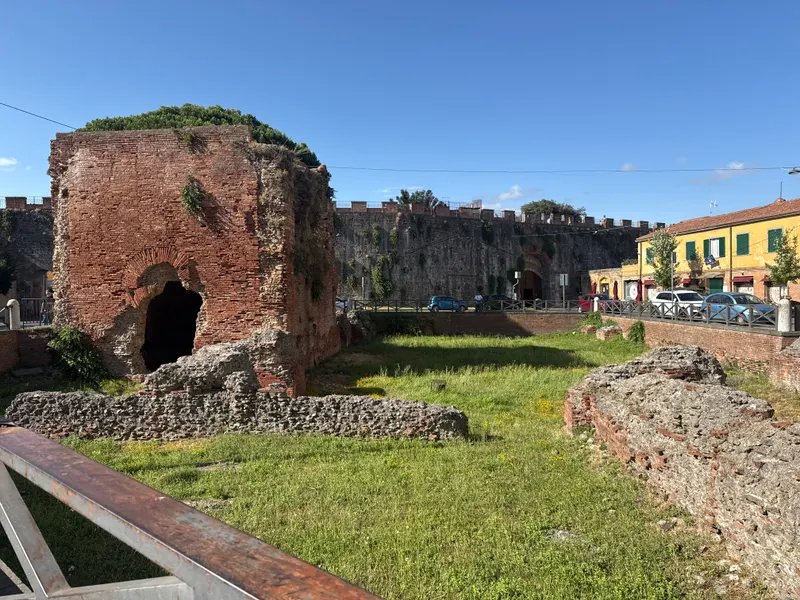
Baths of Nero
Baths of Nero are ancient ruins that offer a glimpse into Roman history. Exploring this site is free and adds to your understanding of Pisa's past.
🎨 Attraction⏱ 1–2 hours⭐ 8/10📍 City Center
View details →

Collezioni Egittologiche Edda Bresciani
Collezioni Egittologiche Edda Bresciani is a small museum featuring Egyptian artifacts. Entry is often free, making it a fascinating stop for history enthusiasts.
🎨 Museum⏱ 1–2 hours⭐ 7/10📍 Historic Center
View details →
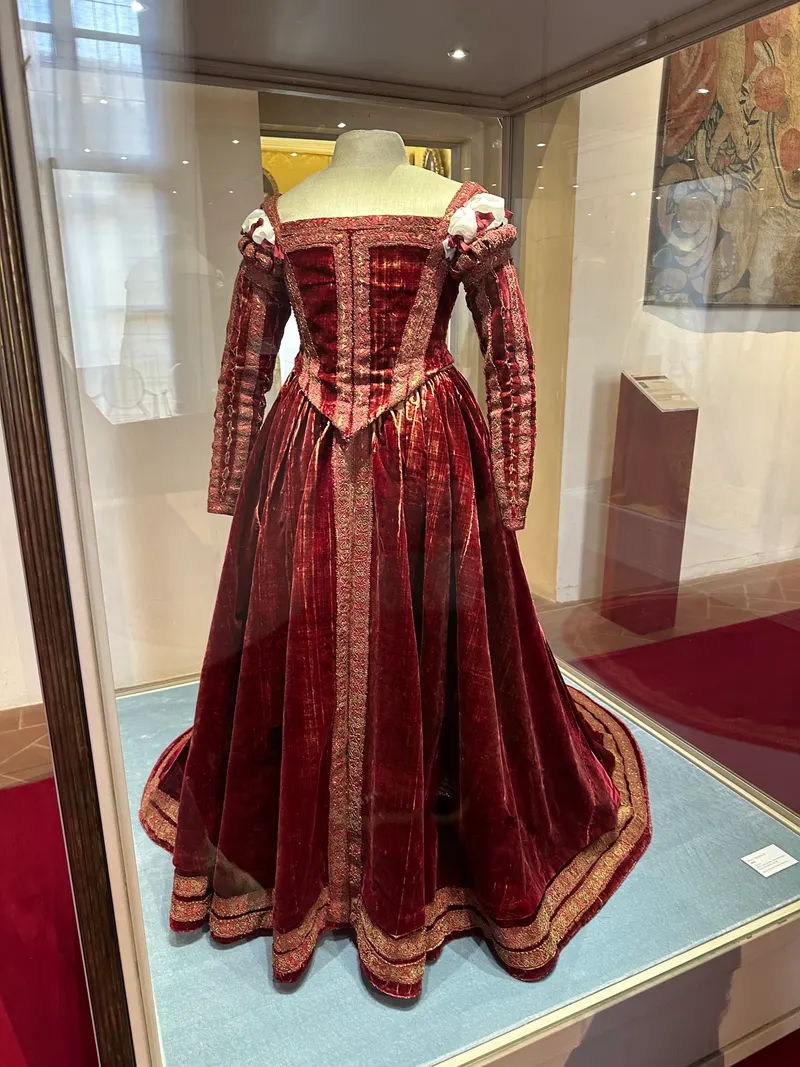
Museo Nazionale di Palazzo Reale
Museo Nazionale di Palazzo Reale showcases royal artifacts and art. This indoor setting is an excellent way to immerse yourself in history while avoiding the rain.
🎨 Museum⏱ 1–2 hours⭐ 9/10📍 Historic Center
View details →

GAMeC CentroArteModerna PISA
GAMeC CentroArteModerna PISA features contemporary art exhibitions that can be enjoyed indoors. It's a great way to escape the rain while engaging with modern artistic expressions.
🎨 Gallery⏱ 1–2 hours⭐ 8/10📍 Historic Center
View details →

Cittadella Galileiana
Cittadella Galileiana is a museum focused on the life and works of Galileo. It's an educational stop that allows you to explore science indoors while the rain falls outside.
🎨 Museum⏱ 1–2 hours⭐ 8/10📍 Historic Center
View details →

Domus Mazziniana
Domus Mazziniana, dedicated to the life of Giuseppe Mazzini, offers a glimpse into historical Italy. Visit this museum to learn while remaining sheltered from the elements.
🎨 Museum⏱ 1–2 hours⭐ 6/10📍 Historic Center
View details →

Museo degli Strumenti per il Calcolo
Museo degli Strumenti per il Calcolo showcases the history of calculation instruments. This indoor museum is an intriguing way to pass the time while the rain continues.
🎨 Museum⏱ 1–2 hours⭐ 7/10📍 Historic Center
View details →

LuS - Ludoteca Scientifica
LuS - Ludoteca Scientifica is a scientific play space that engages visitors of all ages. It's a fun indoor option to spark curiosity and creativity while staying dry.
🎨 Museum⏱ 1–2 hours⭐ 6/10📍 Historic Center
View details →

Orto e Museo Botanico
Orto e Museo Botanico offers a serene environment filled with diverse plant species. Enjoy a peaceful stroll through the botanical gardens, even in the rain, as nature's beauty persists.
🎨 Museum⏱ 1–2 hours⭐ 7/10📍 Botanical Gardens
View details →
Museums & galleries in Pisa
Structured by type for long-tail museum searches — plan 2–4 hours per major institution.
Art Museums
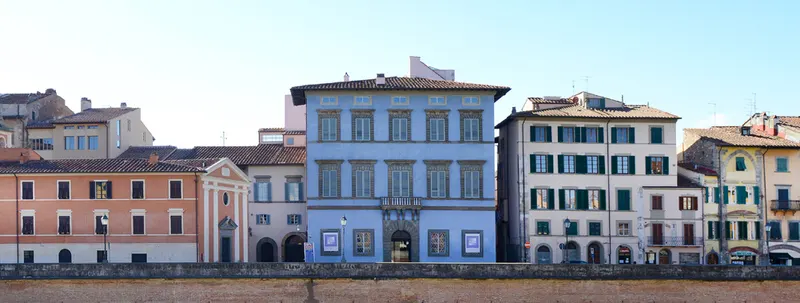
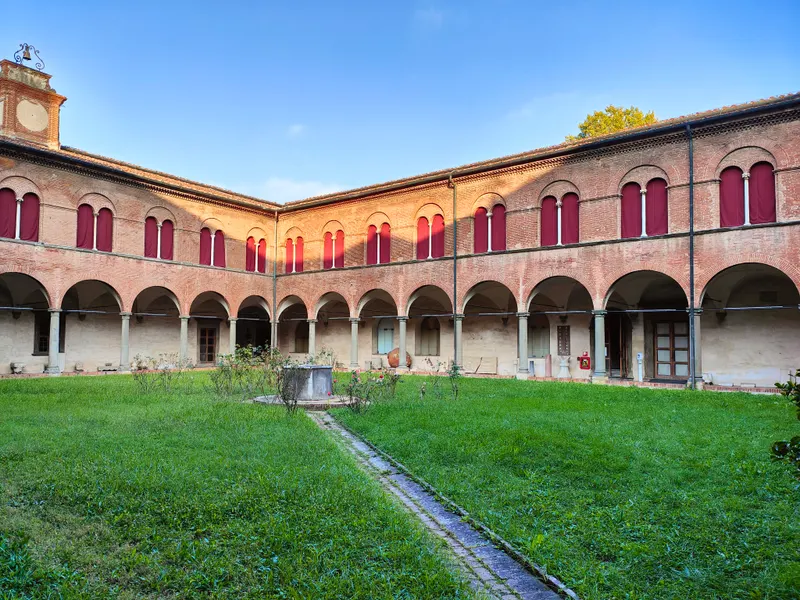
National Museum of San Matteo
Home to medieval and Renaissance art in a former convent.
⏱ 2 hours⭐ 9/10💰 €10
History Museums
Collezioni Egittologiche Edda Bresciani
A small museum featuring Egyptian artifacts, often with free entry.
⏱ 1 hour⭐ 8/10💰 Free
Museo Nazionale di Palazzo Reale
Showcases royal artifacts and art, perfect for history immersion.
⏱ 1.5 hours⭐ 9/10💰 €10
Cittadella Galileiana
Focuses on Galileo's life and works, enriching scientific understanding.
⏱ 1 hour⭐ 10/10💰 €6
Museo degli Strumenti per il Calcolo
Explores the history of calculation instruments.
⏱ 1 hour⭐ 7/10💰 €5
LuS - Ludoteca Scientifica
A scientific play space for all ages, sparking curiosity.
⏱ 1 hour⭐ 6/10💰 €4
Orto e Museo Botanico
A serene botanical garden offering insights into plant diversity.
⏱ 1.5 hours⭐ 7/10💰 €5
Contemporary & Independent Art
GAMeC CentroArteModerna PISA
Features contemporary art exhibitions in a modern setting.
⏱ 1 hour⭐ 7/10💰 €8
Hotels near cultural sights in Pisa
Stays close to museums, heritage districts and the cultural stops in this guide.

Near Museums
Hotel Bologna
4.3(1,757 reviews)Charming hotel located near the city center and museums.
Near Museo Nazionale di Palazzo RealeCulture score: 9/10

Boutique Hotels
Hotel Pisa Tower
4.3(765 reviews)A boutique hotel with views of the Leaning Tower.
Near the Leaning TowerCulture score: 9/10
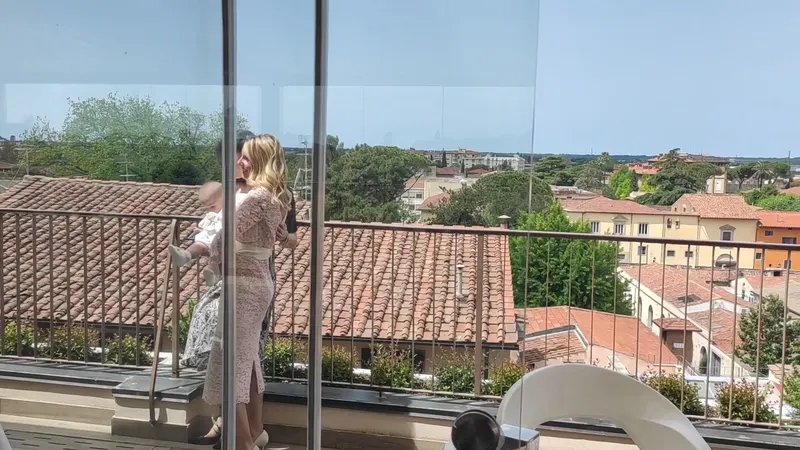
Museum District
Grand Hotel Duomo
3.9(2,043 reviews)Elegant hotel with easy access to major attractions.
Near Palazzo BluCulture score: 9/10

Near Museums
Hotel La Pace | BZAR hotels
4.1(2,017 reviews)A culture-focused base in Pisa — walk to museums, heritage sites and the stops in this guide.
3 min walk from Domus MazzinianaCulture score: 8/10
Architecture & heritage in Pisa
From merchant houses to modern design — how building styles reveal the city's history.
Romanesque
9th to 12th centuries
Characterized by semi-circular arches and robust structures.
Examples: The Leaning Tower of Pisa, the Cathedral of Pisa
Gothic
12th to 16th centuries
Features pointed arches and intricate details.
Examples: Santa Maria della Spina, Palazzo dei Cavalieri
Renaissance
15th to 17th centuries
Known for symmetry, proportion, and geometry.
Examples: Palazzo Blu, Museo Nazionale di Palazzo Reale
Baroque
17th to 18th centuries
Dramatic use of light and shadow, ornate details.
Examples: Church of Santa Caterina, Palazzo della Carovana
Local traditions & lifestyle in Pisa
Insider-level customs — origin, modern meaning and where to experience them today.
Luminara di San Ranieri
- Origin
- Celebrated since the 17th century in honor of the city's patron saint.
- Modern meaning
- A vibrant festival with lights and fireworks along the Arno.
- Where to experience
- Along the Arno River, particularly in the historic center.
Palio di San Ranieri
- Origin
- A historic boat race dating back to the 16th century.
- Modern meaning
- A competition among the city's neighborhoods to honor the saint.
- Where to experience
- On the Arno River, typically in June.
Festa della Rificolona
- Origin
- An ancient celebration of the Virgin Mary with lanterns.
- Modern meaning
- A lively event with music and food, celebrated in September.
- Where to experience
- In the streets of Pisa, especially around Piazza dei Miracoli.
Mercato di San Martino
- Origin
- A traditional market celebrating the harvest season.
- Modern meaning
- A local market featuring food and crafts, held in November.
- Where to experience
- At the historic market square in Pisa.
Festivals & cultural events in Pisa
Seasonal highlights that reshape the city — plan around dates for the richest cultural experience.
Luminara di San Ranieri
Summer · 16 June
A festival of lights honoring the patron saint of Pisa.
👥 Local and tourists💰 Free⭐ Celebrates the city's heritage with lights and fireworks.
Palio di San Ranieri
Summer · Last Sunday of June
A historic boat race among neighborhoods.
👥 Families and locals💰 Free to watch⭐ Showcases local pride and community spirit.
Festa della Rificolona
Fall · 7 September
A lantern festival celebrating the Virgin Mary.
👥 Families and children💰 Free⭐ A blend of religious and cultural traditions.
Mercato di San Martino
Fall · 11 November
A harvest market showcasing local produce.
👥 Local residents💰 Free⭐ Promotes local agriculture and crafts.
Pisa Summer Arts Festival
Summer · Typically June–August
Open-air concerts, outdoor cinema and neighborhood stages that show how Pisa lives culture beyond museum walls.
👥 All ages💰 Many free / paid headline nights⭐ Living culture in public space
Pisa Heritage / Museum Night
Spring or Autumn · Usually one evening in May or September (verify yearly)
Timed evening openings when major museums and monuments stay open late with special programs.
👥 Culture travelers💰 Often free or reduced⭐ Access to flagship collections after hours
Cultural itineraries in Pisa
Ready-made routes from one-day highlights to deep three-day immersion and alternative repeat-visitor paths.
1 day
Cultural Day in Pisa
- 09:30Visit the Museo Nazionale di Palazzo Reale
- 11:00Explore the National Museum of San Matteo
- 13:00Lunch at a local café
- 14:30Stroll through the Orto e Museo Botanico
- 16:00Visit the Palazzo Blu
- 18:00Dinner at a traditional restaurant
3 days
Deep Cultural Exploration
- Day 1History Day: Museo Nazionale di Palazzo Reale
- Day 1Cittadella Galileiana
- Day 1Museum of Ancient Ships of Pisa
- Day 2Art Day: National Museum of San Matteo
- Day 2GAMeC CentroArteModerna PISA
- Day 2Museo della Grafica Palazzo Lanfranchi
- Day 3Contemporary Day: AORTA Gallery
- Day 3LuS - Ludoteca Scientifica
- Day 3Visit the Sinopie Museum
Alternative
Alternative Culture Route
Flagship Pisa museums cap daily entries — book the timed slots on these routes first.
Book the paid stopsUnderstanding Pisa culture
Deep context for broad searches — history, art, identity and etiquette before you explore.
History That Shaped The City
Pisa's history is marked by its maritime power during the Middle Ages and its role as a cultural hub during the Renaissance. The city is home to historical landmarks such as the Leaning Tower and the Cathedral, which reflect its architectural evolution and importance in the Mediterranean trade.
Art Movements
Pisa has been a cradle for various art movements, particularly during the Renaissance. Artists like Giovanni Pisano and Andrea Bocciardo contributed to its rich artistic heritage, with significant works displayed in museums like the National Museum of San Matteo and Museo Nazionale di Palazzo Reale.
Architecture Evolution
The architectural styles in Pisa range from Romanesque to Gothic and Renaissance. The Leaning Tower exemplifies Romanesque architecture, while the intricate designs of Santa Maria della Spina showcase Gothic elements. The city’s buildings reflect centuries of artistic and cultural influences.
Local Identity
Pisa's identity is deeply intertwined with its historical significance and vibrant cultural scene. The city celebrates its traditions through various festivals, such as the Luminara di San Ranieri and the Palio di San Ranieri, which reinforce community bonds and pride among residents.
Traditions & Customs
Pisa is known for its unique traditions and customs, including the Festa della Rificolona and the Mercato di San Martino. These events highlight the city’s agricultural roots and religious heritage, providing visitors with a glimpse into local life and community spirit.
Modern Cultural Scene
Today, Pisa boasts a dynamic cultural scene with contemporary art galleries like GAMeC CentroArteModerna and AORTA Gallery. These spaces promote modern artistic expressions and provide platforms for emerging artists, reflecting the city's ongoing evolution as a cultural destination.
Cultural Etiquette
When visiting Pisa, it's important to respect local customs, such as greeting with a friendly 'Buongiorno' and trying to use Italian when possible. Being polite and engaging with locals can enhance your cultural experience and deepen your connection to the city.
10 common cultural trip mistakes in Pisa
Stereotypes that waste time — and how to experience the city more deeply.
1. Focusing Only on Museums
Many visitors make the mistake of only visiting museums. While they are important, exploring local neighborhoods and markets offers a richer understanding of Pisa's culture.
2. Ignoring Festivals
Skipping local festivals means missing out on vibrant cultural experiences that showcase community spirit and traditions.
3. Not Trying Local Cuisine
Visitors often overlook local food specialties. Trying local dishes is essential to experiencing Pisa's culture.
4. Rushing Through Attractions
Many travelers rush through attractions. Take your time to appreciate the history and art in each location for a deeper cultural experience.
5. Staying in Tourist Zones Only
Limiting your stay to tourist areas can lead to a superficial experience. Explore lesser-known neighborhoods to understand local life.
6. Neglecting to Book in Advance
Failing to book museum tickets in advance can result in long waits or missed opportunities, especially during peak seasons.
7. Overlooking Public Transport
Visitors often underestimate the convenience of public transport. Using buses and trains can enhance your exploration of the city.
8. Not Engaging with Locals
Avoiding interactions with locals can diminish your experience. Engaging with residents can provide valuable insights into the culture.
9. Forgetting to Respect Local Customs
Disregarding local customs and etiquette can lead to misunderstandings. Always be polite and respectful.
10. Missing Out on Contemporary Art
Focusing solely on historical sites means missing the vibrant contemporary art scene that defines modern Pisa.
Frequently asked questions
FAQ for Pisa Culture Guide: Art, History & Local Traditions (2026)
Is Pisa worth visiting for museums?
Yes, Pisa is definitely worth visiting for its museums. The city boasts a variety of museums, including the National Museum of San Matteo and Museo dell'Opera del Duomo, showcasing impressive collections of art and history. Prioritize Collezioni Egittologiche Edda Bresciani, Museo Nazionale di Palazzo Reale, GAMeC CentroArteModerna PISA, Cittadella Galileiana, book timed tickets where required, cluster stops by district to cut transit time, and balance one major museum with a walk or living tradition each day in Pisa.
How many days do you need for Pisa culture?
Two to three days is ideal for exploring Pisa's cultural offerings. This allows ample time to visit key museums, enjoy local traditions, and experience the city's historical architecture. Prioritize Collezioni Egittologiche Edda Bresciani, Museo Nazionale di Palazzo Reale, GAMeC CentroArteModerna PISA, Cittadella Galileiana, book timed tickets where required, cluster stops by district to cut transit time, and balance one major museum with a walk or living tradition each day in Pisa.
What are the UNESCO sites in Pisa?
Pisa's UNESCO World Heritage site includes the Piazza dei Miracoli, which features the Cathedral, the Leaning Tower, and the Baptistery, all showcasing stunning medieval architecture. Prioritize Collezioni Egittologiche Edda Bresciani, Museo Nazionale di Palazzo Reale, GAMeC CentroArteModerna PISA, Cittadella Galileiana, book timed tickets where required, cluster stops by district to cut transit time, and balance one major museum with a walk or living tradition each day in Pisa.
What neighborhoods should I explore in Pisa?
Key neighborhoods to explore in Pisa include the historic city center around the Piazza dei Miracoli, the lively Borgo Stretto for shopping and dining, and the artsy area near the Arno River. Prioritize Collezioni Egittologiche Edda Bresciani, Museo Nazionale di Palazzo Reale, GAMeC CentroArteModerna PISA, Cittadella Galileiana, book timed tickets where required, cluster stops by district to cut transit time, and balance one major museum with a walk or living tradition each day in Pisa.
What cultural etiquette should I know when visiting Pisa?
When visiting Pisa, it's polite to greet locals with 'Buongiorno' (Good morning) and dress modestly when entering churches. Also, be respectful of quiet areas in museums. Prioritize Collezioni Egittologiche Edda Bresciani, Museo Nazionale di Palazzo Reale, GAMeC CentroArteModerna PISA, Cittadella Galileiana, book timed tickets where required, cluster stops by district to cut transit time, and balance one major museum with a walk or living tradition each day in Pisa.
Are there free cultural activities in Pisa?
Yes, there are free cultural activities in Pisa, such as visiting the beautiful botanical gardens at Orto e Museo Botanico and exploring the historic streets and squares. Prioritize Collezioni Egittologiche Edda Bresciani, Museo Nazionale di Palazzo Reale, GAMeC CentroArteModerna PISA, Cittadella Galileiana, book timed tickets where required, cluster stops by district to cut transit time, and balance one major museum with a walk or living tradition each day in Pisa.
What is the best time to visit Pisa for cultural events?
The best time to visit Pisa for cultural events is during the spring (April to June) and fall (September to October), when festivals like the Luminara di San Ranieri take place. Prioritize Collezioni Egittologiche Edda Bresciani, Museo Nazionale di Palazzo Reale, GAMeC CentroArteModerna PISA, Cittadella Galileiana, book timed tickets where required, cluster stops by district to cut transit time, and balance one major museum with a walk or living tradition each day in Pisa.
What festivals are celebrated in Pisa?
Pisa hosts several festivals, including the Luminara di San Ranieri in June, the Regatta of the Ancient Maritime Republics in June, and the International Festival of the Historical Regatta in September. Prioritize Collezioni Egittologiche Edda Bresciani, Museo Nazionale di Palazzo Reale, GAMeC CentroArteModerna PISA, Cittadella Galileiana, book timed tickets where required, cluster stops by district to cut transit time, and balance one major museum with a walk or living tradition each day in Pisa.
What is the local food culture like in Pisa?
Pisa's local food culture features traditional Tuscan cuisine, including dishes like ribollita (vegetable soup) and cecina (chickpea flatbread). Enjoy meals at local trattorias for an authentic experience. Prioritize Collezioni Egittologiche Edda Bresciani, Museo Nazionale di Palazzo Reale, GAMeC CentroArteModerna PISA, Cittadella Galileiana, book timed tickets where required, cluster stops by district to cut transit time, and balance one major museum with a walk or living tradition each day in Pisa.
How do I get around Pisa's cultural sites?
Getting around Pisa is easy, as many cultural sites are within walking distance. You can also use local buses or rent a bike for a more leisurely exploration of the city. Prioritize Collezioni Egittologiche Edda Bresciani, Museo Nazionale di Palazzo Reale, GAMeC CentroArteModerna PISA, Cittadella Galileiana, book timed tickets where required, cluster stops by district to cut transit time, and balance one major museum with a walk or living tradition each day in Pisa.
What are the must-see museums in Pisa?
Must-see museums in Pisa include the Museo Nazionale di Palazzo Reale, Museo dell'Opera del Duomo, and the National Museum of San Matteo, each offering unique insights into the city's rich history and art. Prioritize Collezioni Egittologiche Edda Bresciani, Museo Nazionale di Palazzo Reale, GAMeC CentroArteModerna PISA, Cittadella Galileiana, book timed tickets where required, cluster stops by district to cut transit time, and balance one major museum with a walk or living tradition each day in Pisa.
Are there guided tours available for cultural sites in Pisa?
Yes, there are many guided tours available for cultural sites in Pisa. These tours often provide in-depth information about the history and significance of landmarks and museums. Prioritize Collezioni Egittologiche Edda Bresciani, Museo Nazionale di Palazzo Reale, GAMeC CentroArteModerna PISA, Cittadella Galileiana, book timed tickets where required, cluster stops by district to cut transit time, and balance one major museum with a walk or living tradition each day in Pisa.
What is Pisa famous for culturally?
Pisa is known for layered history, major museum collections, distinctive architecture and living traditions that blend heritage with contemporary creativity.
Are there UNESCO World Heritage sites in Pisa?
Check the architecture and highlights sections for verified UNESCO-listed districts, monuments or historic ensembles in and around Pisa.
Which neighborhoods have the strongest cultural identity?
Historic cores and museum quarters anchor first visits; residential and creative districts reveal how locals actually live and make art.
How many days do you need for culture in Pisa?
Two days covers flagship museums and old town walks; three to four days allow festivals, independent galleries and deeper neighborhood time.
Do I need to book museum tickets in advance?
For top-tier national museums yes — timed entry prevents queue fatigue. Smaller municipal museums often allow same-day tickets.
What is the best season for cultural travel to Pisa?
Spring and autumn balance comfortable walking weather with festival seasons. Winter suits museum-heavy itineraries.
Are there free cultural attractions in Pisa?
Many cities offer free historic districts, churches, markets and select museum hours — see the highlights and traditions sections.
Is Pisa good for architecture lovers?
Use the architecture section to trace the city's verified local styles, landmark buildings and periods of urban change.
More culture guides beyond Pisa
Compare museums, heritage districts and local traditions in other TripByMood destinations.
Get free Pisa culture guide
Offline cultural map, museum shortlist, festival calendar and itinerary timeline — coming soon.
PDF export launches soon — bookmark this guide meanwhile.
Book your cultural Pisa trip
Museum passes, guided tours and audio guides — affiliate links help keep this guide free.
Pisa Museum Passes
City cards and multi-museum tickets for skip-the-line entry.
Compare passes →Cultural Tours in Pisa
Expert-led walks through historic districts and museum quarters.
Book tour →Audio Guides for Pisa
Self-paced museum and architecture commentary on your phone.
Get audio guide →Concert Tickets in Pisa
Opera, classical and live venues that sell out weeks ahead.
See what is on →