

Brugge · Belgium
Brugge Culture Guide: Art, History & Local Traditions (2026)
Brugge's culture is shaped by its rich history, stunning architecture, vibrant festivals, and living traditions that reflect the city's artistic spirit.
The culture of Brugge is a vibrant tapestry woven from its medieval history, rich artistic heritage, and contemporary traditions. With its UNESCO-listed sites, numerous museums, and lively festivals, Brugge offers a unique blend of the past and present. Visitors can explore art galleries, historical landmarks, and community events that showcase the city's dynamic cultural scene. To immerse yourself fully, plan your visit around key cultural events and explore various neighborhoods, each with its own character and charm. In short, culture in Brugge is a mix of world-class collections and everyday rituals — café habits, markets and seasonal festivals — not a checklist of landmarks alone. Use this guide to sequence Municipal Theater, Vrienden van de musea Brugge, Main Library Biekorf, Our Lady of the Pottery, book timed tickets for the busiest museums, and leave room for architecture walks and neighborhood evenings that reveal local identity. Two to three focused days cover the essentials; longer stays unlock contemporary scenes, design districts and living traditions beyond the first postcard circuit.
Key takeaways: culture in Brugge
- 10+ museums showcasing art and history.
- 1 UNESCO World Heritage Site recognized for its medieval architecture.
- Major festivals include the Procession of the Holy Blood and Brugge Beer Festival.
- Recommended stay: 2-3 days to fully experience the culture.
- Typical ticket prices range from €5-€15 for museums.
Essential tips
- Visit during the Bruges Beer Festival in February for a taste of local brews.
- Explore the city by foot or bike to fully appreciate its medieval architecture.
- Check museum opening hours in advance, especially during holidays.
- Engage with locals at markets for authentic cultural experiences.
- Consider a guided tour for deeper insights into Brugge's history and art.
Culture snapshot for Brugge
Scan the cultural DNA before diving into museums, districts and festivals.
What defines culture?
- Rich history from the medieval era, characterized by Gothic architecture.
- A vibrant arts scene with various festivals and local traditions.
- A community deeply connected to its heritage and craftsmanship.
Perfect for
- Art lovers, history buffs, and festival enthusiasts.
Cultural highlights in Brugge
Key museums, heritage sites, districts and cultural landmarks ranked by importance — optimized for planning and search snippets.

Kruispoort gate
Kruispoort gate is one of the well-preserved medieval gates of Brugge. It's a great spot for history enthusiasts to appreciate the city's architecture at no charge.
🎨 Attraction⏱ 1–2 hours⭐ 8/10📍 City Center
View details →
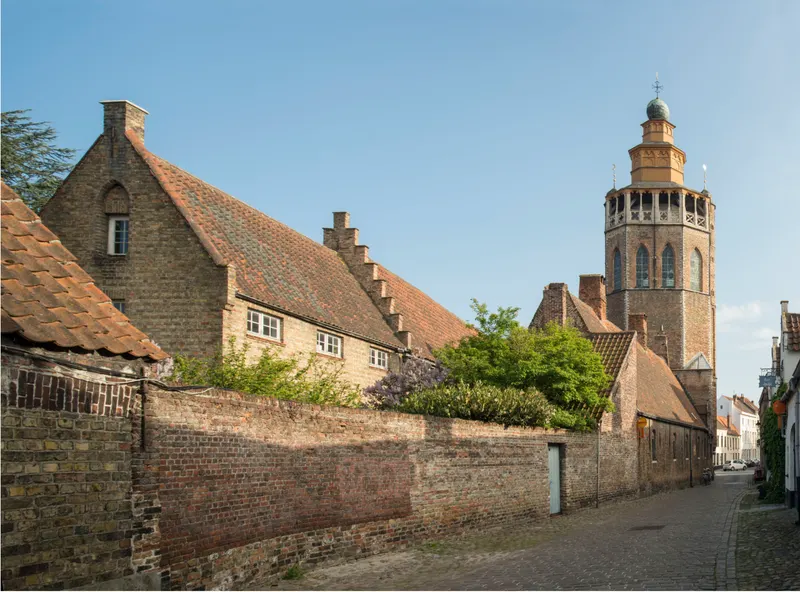
Adornes Domain
Adornes Domain, found on Peperstraat, offers a glimpse into Brugge's past with its serene gardens and historical buildings. A quiet retreat for those looking to escape the crowds.
🎨 Museum⏱ 1–2 hours⭐ 8/10📍 City Center
View details →
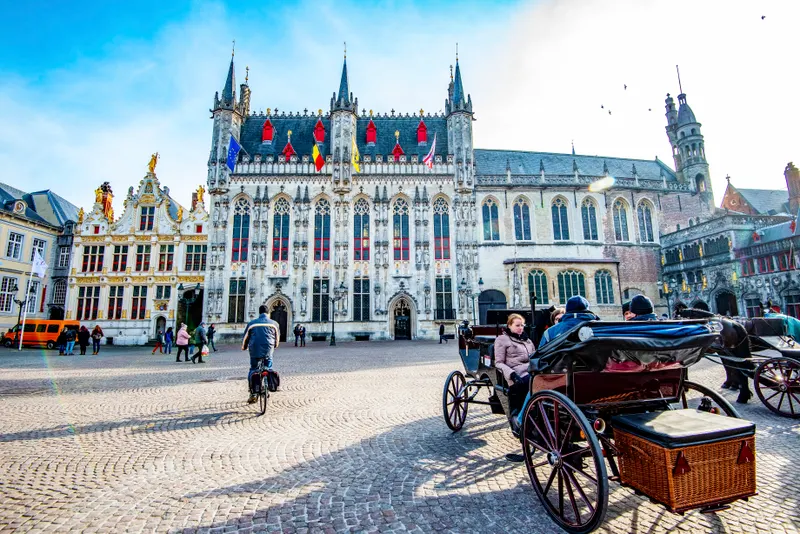
Bruges City Hall
Bruges City Hall, located at Burg 12, showcases Gothic architecture and is a key historical site in Brugge. It's a great stop to appreciate the city's medieval heritage.
🎨 Museum⏱ 1–2 hours⭐ 8/10📍 City Center
View details →
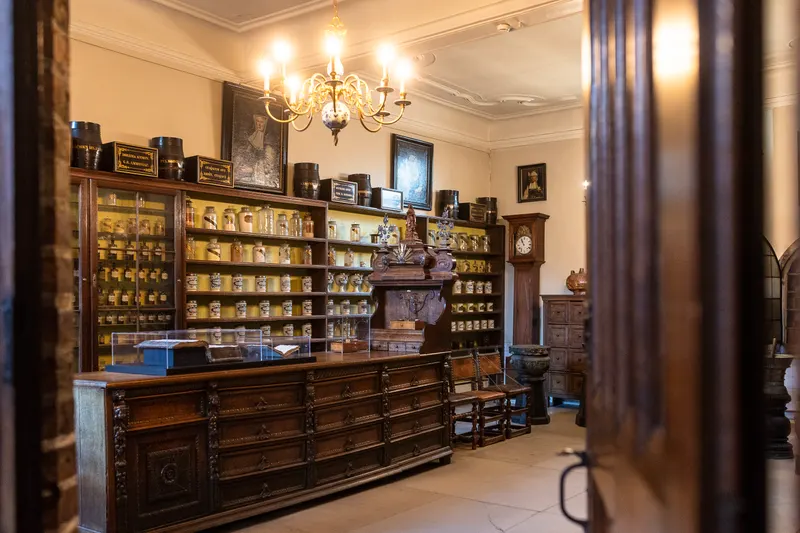
Apotheek Sint-Janshospitaal
At the Apotheek Sint-Janshospitaal, explore the unique history of this former hospital while appreciating the beautiful architecture. It's a quiet spot to reflect together.
🎨 Museum⏱ 1–2 hours⭐ 8/10📍 City Center
View details →
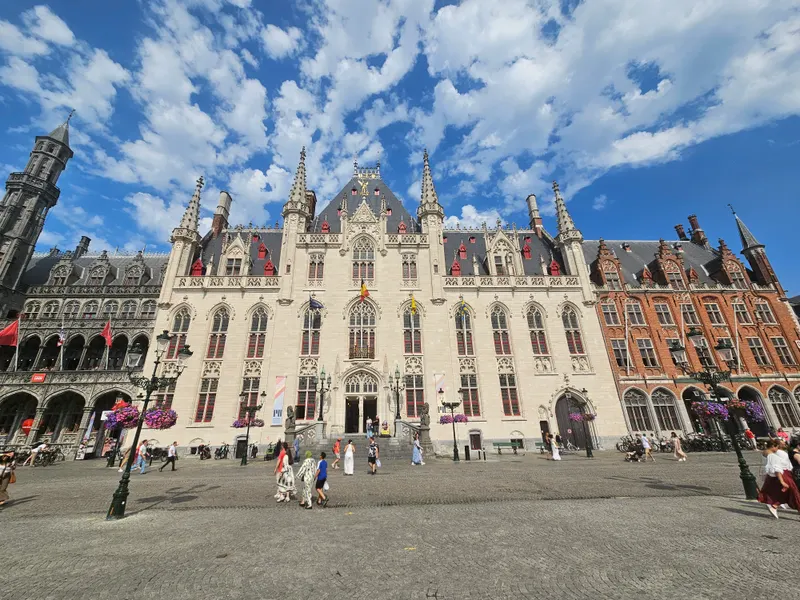
Provincial Palace
The Provincial Palace is an elegant building located in the city center. While access may be limited, its exterior is worth seeing as part of your walking tour.
🎨 Attraction⏱ 1–2 hours⭐ 8/10📍 City Center
View details →
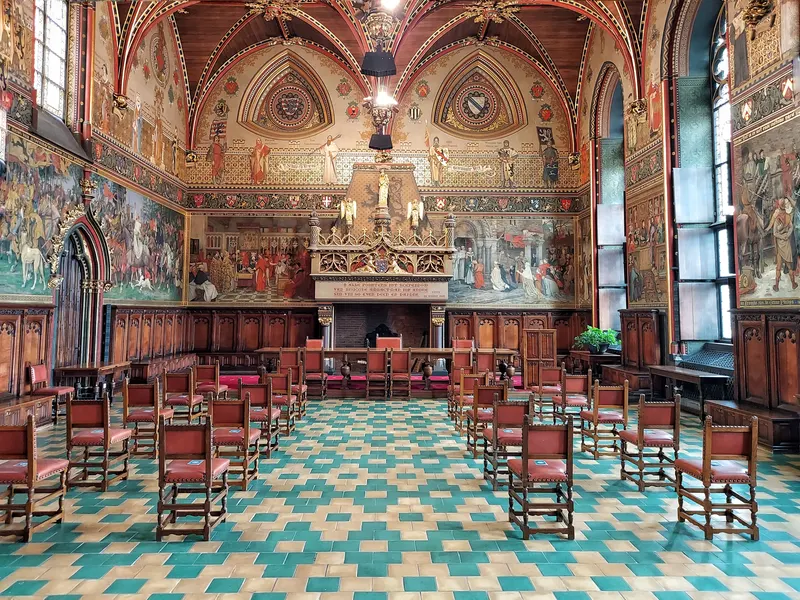
Gotische Zaal
The Gotische Zaal, or Gothic Hall, is an architectural highlight located in the heart of Brugge. While entry may vary, the exterior is impressive enough to appreciate from the outside.
🎨 Museum⏱ 1–2 hours⭐ 8/10📍 City Center
View details →
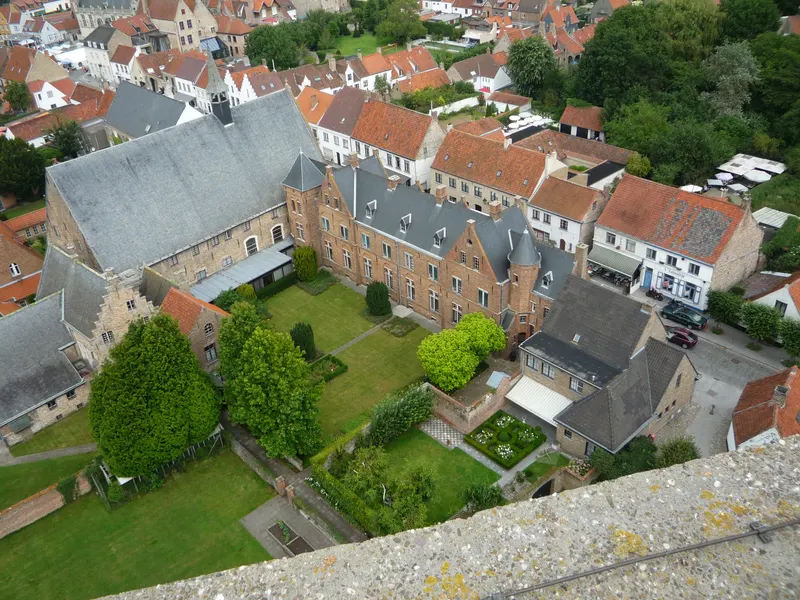
Sint-Janshospitaal en godshuis
Sint-Janshospitaal en godshuis offers insight into the medical history of Bruges. The indoor space is ideal for those interested in the city’s past.
🎨 Museum⏱ 1–2 hours⭐ 8/10📍 City Center
View details →

Lumina Domestica
Lumina Domestica features a collection of lighting design that showcases innovation and creativity. Explore this unique exhibition while staying out of the rain.
🎨 Museum⏱ 1–2 hours⭐ 8/10📍 City Center
View details →

BRUSK
BRUSK is a trendy spot known for its creative menu and relaxed vibe. It's perfect for a cozy meal while waiting for the rain to pass.
🎨 Museum⏱ 1–2 hours⭐ 8/10📍 City Center
View details →
Museums & galleries in Brugge
Structured by type for long-tail museum searches — plan 2–4 hours per major institution.
Art Museums

Vrienden van de musea Brugge
Dedicated to supporting Brugge's museums, promoting cultural heritage and art appreciation.
⏱ 1 hour⭐ 8/10💰 Free

Municipal Theater
The Municipal Theater, located on Vlamingstraat, is a hub for performing arts in Brugge. This venue often showcases local talent as well as touring productions, making it a lively spot for cultural enthusiasts.
⏱ 2–3 hours
History Museums
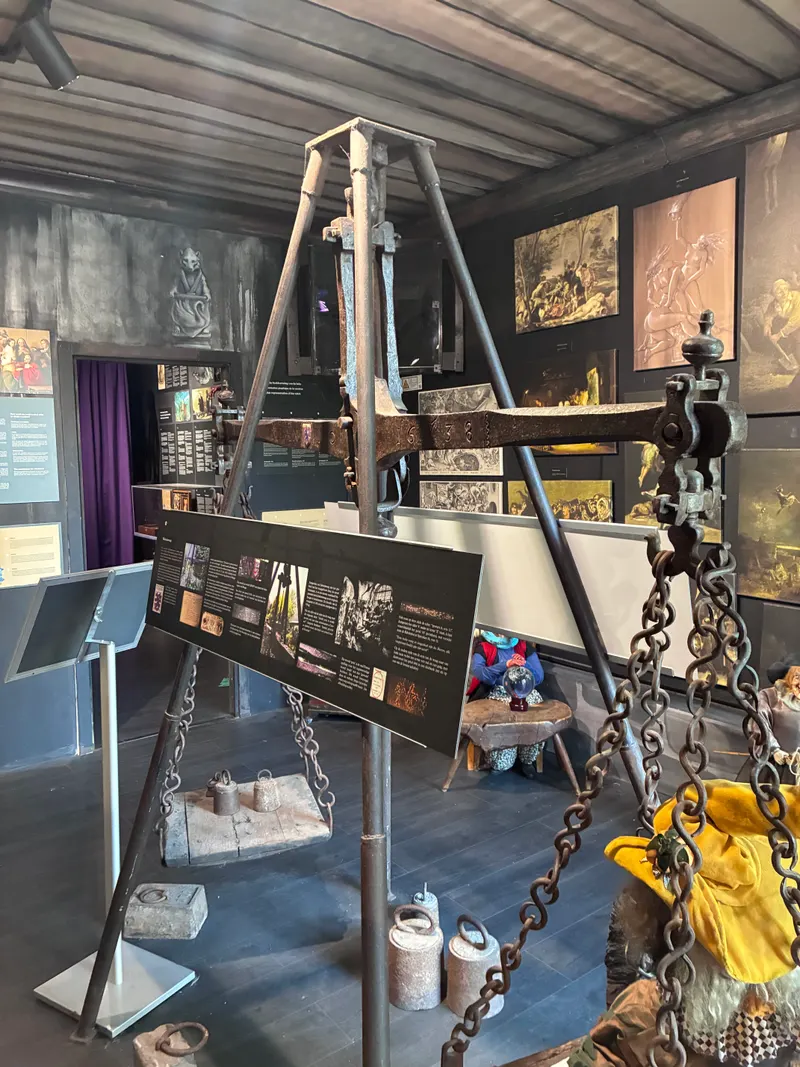
Witchcraft Museum
Explore the intriguing history of witch hunts in Europe through artifacts and exhibits.
⏱ 1-2 hours⭐ 9/10💰 €8

Burghers’ Lodge
Showcases Brugge's guild traditions with its historic architecture.
⏱ 1 hour⭐ 8/10💰 Free
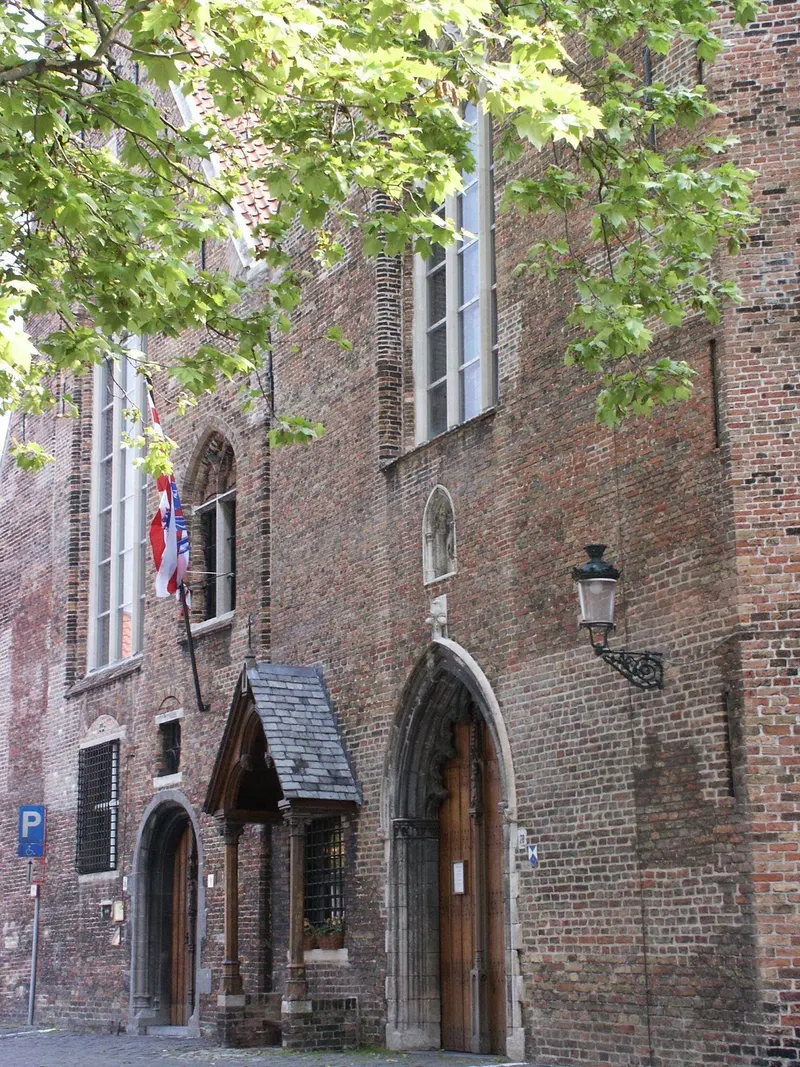
Our Lady of the Pottery
Our Lady of the Pottery, located on Potterierei, is known for its rich history tied to Brugge's pottery craftsmanship. Visitors can explore the heritage of this traditional craft in a charming setting.
⏱ 2–3 hours
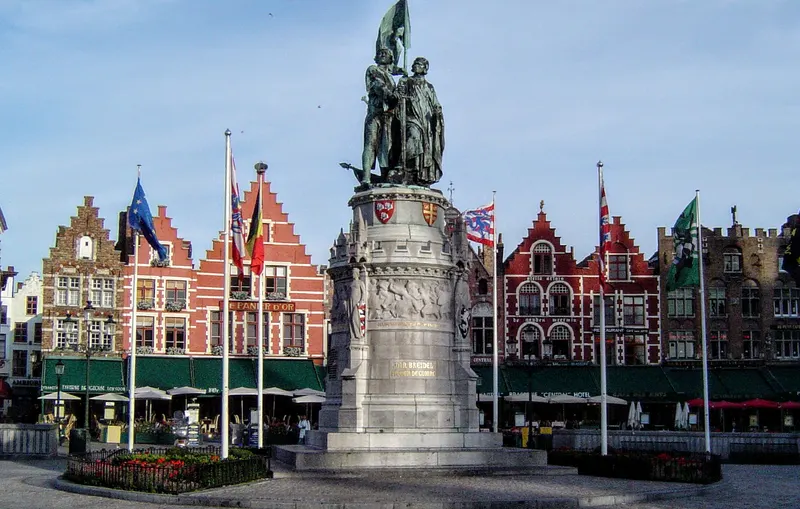
Pieter de Coninck en Jan Breydel
The statue of Pieter de Coninck en Jan Breydel in the Markt commemorates two important figures in Brugge's history. This landmark symbolizes the city's struggle for freedom and is a popular meeting point.
⏱ 2–3 hours
Contemporary & Independent Art
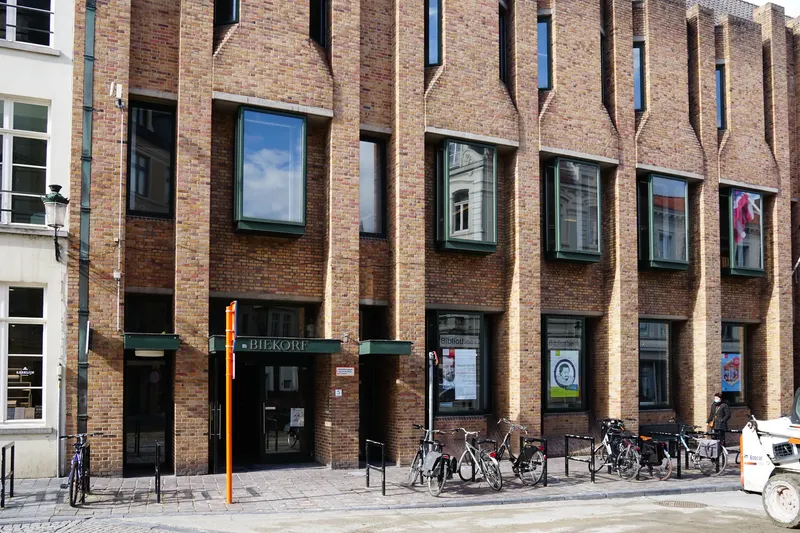
Main Library Biekorf
A treasure trove of knowledge and a community space for cultural events.
⏱ 1-2 hours⭐ 7/10💰 Free

Architecture & heritage in Brugge
From merchant houses to modern design — how building styles reveal the city's history.
Gothic Architecture
Medieval
Characterized by pointed arches, ribbed vaults, and flying buttresses.
Examples: Basilica of the Holy Blood, Belfry of Bruges
Renaissance Architecture
16th Century
Features symmetry, proportion, and geometry, reflecting classical antiquity.
Examples: Provinciaal Hof
Baroque Architecture
17th Century
Known for its grandeur, bold ornamentation, and dramatic use of light.
Examples: St. Salvator's Cathedral
Neoclassical Architecture
18th Century
Inspired by classical antiquity, emphasizing simplicity and grandeur.
Examples: Huis Ter Beurze
Local traditions & lifestyle in Brugge
Insider-level customs — origin, modern meaning and where to experience them today.
Procession of the Holy Blood
- Origin
- Originated in the 13th century to celebrate the relic of Christ's blood.
- Modern meaning
- A vibrant display of faith and community spirit.
- Where to experience
- Markt square, every Ascension Day.
Brugge Beer Festival
- Origin
- Celebrates the city's brewing traditions dating back centuries.
- Modern meaning
- Showcases local breweries and fosters community engagement.
- Where to experience
- Various venues in Brugge, typically in February.
Christmas Market
- Origin
- A tradition that dates back to the 15th century, celebrating the festive season.
- Modern meaning
- Brings together locals and visitors for holiday cheer.
- Where to experience
- Various squares in Brugge, late November to early January.
Festivals & cultural events in Brugge
Seasonal highlights that reshape the city — plan around dates for the richest cultural experience.
Brugge Beer Festival
Winter · Early February annually
A celebration of local breweries with tastings and events.
👥 Beer enthusiasts and locals💰 €10-€20⭐ Highlights Brugge's brewing heritage.
Procession of the Holy Blood
Spring · Typically March–May (verify yearly)
A religious procession showcasing the relic of Christ's blood.
👥 Religious and cultural visitors💰 Free⭐ A significant religious tradition in Brugge.
Christmas Market
Winter · Late November to early January
A festive market with local crafts, food, and holiday spirit.
👥 Families and tourists💰 Free entry⭐ Celebrates local traditions and community.
Brugge Summer Arts Festival
Summer · Typically June–August
Open-air concerts, outdoor cinema and neighborhood stages that show how Brugge lives culture beyond museum walls.
👥 All ages💰 Many free / paid headline nights⭐ Living culture in public space
Brugge Heritage / Museum Night
Spring or Autumn · Usually one evening in May or September (verify yearly)
Timed evening openings when major museums and monuments stay open late with special programs.
👥 Culture travelers💰 Often free or reduced⭐ Access to flagship collections after hours
Brugge Music & Opera Season
Autumn–Spring · Typically September–June
Classical and contemporary programs in historic halls and modern venues across the season.
👥 Music lovers💰 Ticketed⭐ Performing arts identity
Cultural itineraries in Brugge
Ready-made routes from one-day highlights to deep three-day immersion and alternative repeat-visitor paths.
1 day
Cultural Day in Brugge
3 days
Deep Dive into Brugge's Culture
Alternative
Hidden Gems of Brugge
Flagship Brugge museums cap daily entries — book the timed slots on these routes first.
Book the paid stopsUnderstanding Brugge culture
Deep context for broad searches — history, art, identity and etiquette before you explore.
History That Shaped The City
Brugge's history is marked by its role as a major trading hub in the Middle Ages, leading to its wealth and architectural splendor. The city flourished in the 13th to 15th centuries, becoming a center for art and culture. Key figures like Jan van Eyck and Hans Memling contributed to its rich artistic legacy, making Brugge a UNESCO World Heritage Site.
Art Movements
Brugge has been a significant player in various art movements, particularly during the Northern Renaissance. The works of local artists, such as Jan van Eyck, are celebrated for their detail and realism. The city continues to support contemporary art through galleries and cultural events, reflecting its ongoing commitment to artistic expression.
Architecture Evolution
The architectural landscape of Brugge showcases a blend of styles from different eras. Gothic structures like the Belfry and Basilica of the Holy Blood highlight the city’s medieval roots, while Renaissance and Baroque buildings reflect its later prosperity. This architectural diversity contributes to Brugge's charm and historical significance.
Local Identity
Brugge's local identity is deeply connected to its history and craftsmanship. The city is known for its lace-making, chocolate, and beer, which are integral to its cultural fabric. Local markets and festivals celebrate these traditions, fostering a strong sense of community and pride among residents.
Modern Cultural Scene
Today, Brugge boasts a vibrant cultural scene with numerous festivals, art exhibitions, and performances. The city hosts events such as the Brugge Beer Festival and the Procession of the Holy Blood, which attract both locals and tourists. This dynamic atmosphere reflects Brugge's ability to blend tradition with contemporary culture.
10 common cultural trip mistakes in Brugge
Stereotypes that waste time — and how to experience the city more deeply.
1. Focusing Only on Museums
Many visitors concentrate solely on museums, missing out on the vibrant street life, local markets, and festivals that define Brugge's culture.
2. Ignoring Neighborhoods
Tourists often stick to the city center, overlooking the unique charm and culture of neighborhoods like Sint-Anna and Lissewege.
3. History-Only Itinerary
A culture-focused trip should include contemporary art and local traditions, not just historical sites.
4. No Festival Planning
Failing to check festival dates can lead to missing out on local celebrations that offer deeper cultural insights.
5. Skipping Ticket Booking
Not booking tickets in advance for popular attractions can result in long waits or sold-out experiences.
6. Tourist-Zone-Only Visits
Staying only in tourist areas limits exposure to authentic local culture and experiences.
7. Underestimating Time Needed
Many underestimate the time needed to explore Brugge’s rich cultural offerings, suggesting a longer stay.
8. Overlooking Culinary Experiences
Brugge is known for its culinary delights; missing local cuisine can diminish the cultural experience.
9. Not Engaging with Locals
Visitors often miss opportunities to engage with locals, which can enhance understanding of Brugge's culture.
10. Neglecting Seasonal Variations
Cultural experiences can vary greatly by season; ignoring this can lead to a less fulfilling visit.
Frequently asked questions
FAQ for Brugge Culture Guide: Art, History & Local Traditions (2026)
Is Brugge worth visiting for museums?
Yes, Brugge is definitely worth visiting for its museums, which showcase a rich array of art and history. With several notable institutions, including the Groeningemuseum and the Frietmuseum, there's something for every cultural enthusiast. Prioritize Municipal Theater, Vrienden van de musea Brugge, Main Library Biekorf, Our Lady of the Pottery, book timed tickets where required, cluster stops by district to cut transit time, and balance one major museum with a walk or living tradition each day in Brugge.
How many days do you need for Brugge culture?
A minimum of two to three days is recommended to fully experience Brugge's cultural offerings. This allows time to visit museums, explore historical sites, and enjoy local traditions. Prioritize Municipal Theater, Vrienden van de musea Brugge, Main Library Biekorf, Our Lady of the Pottery, book timed tickets where required, cluster stops by district to cut transit time, and balance one major museum with a walk or living tradition each day in Brugge.
What are the main UNESCO sites in Brugge?
Brugge's historic city center is a UNESCO World Heritage site, recognized for its well-preserved medieval architecture and canals. Key sites include the Belfry of Bruges and the Basilica of the Holy Blood. Prioritize Municipal Theater, Vrienden van de musea Brugge, Main Library Biekorf, Our Lady of the Pottery, book timed tickets where required, cluster stops by district to cut transit time, and balance one major museum with a walk or living tradition each day in Brugge.
What neighborhoods should I explore in Brugge?
Key neighborhoods to explore include the historic city center, the lively Markt square, and the charming canalside areas like the Beguinage. Each offers unique cultural experiences and sights. Prioritize Municipal Theater, Vrienden van de musea Brugge, Main Library Biekorf, Our Lady of the Pottery, book timed tickets where required, cluster stops by district to cut transit time, and balance one major museum with a walk or living tradition each day in Brugge.
What is the cultural etiquette in Brugge?
In Brugge, it's polite to greet locals with a friendly 'hallo' or 'goedendag.' Tipping is appreciated but not mandatory; rounding up the bill is common. Prioritize Municipal Theater, Vrienden van de musea Brugge, Main Library Biekorf, Our Lady of the Pottery, book timed tickets where required, cluster stops by district to cut transit time, and balance one major museum with a walk or living tradition each day in Brugge.
Are there any free cultural activities in Brugge?
Yes, Brugge offers several free cultural activities, including exploring public squares, walking along the canals, and visiting markets. Many festivals also have free events. Prioritize Municipal Theater, Vrienden van de musea Brugge, Main Library Biekorf, Our Lady of the Pottery, book timed tickets where required, cluster stops by district to cut transit time, and balance one major museum with a walk or living tradition each day in Brugge.
What festivals take place in Brugge?
Brugge hosts various festivals throughout the year, including the Bruges Beer Festival in February and the Procession of the Holy Blood in May. These events celebrate local culture and traditions. Prioritize Municipal Theater, Vrienden van de musea Brugge, Main Library Biekorf, Our Lady of the Pottery, book timed tickets where required, cluster stops by district to cut transit time, and balance one major museum with a walk or living tradition each day in Brugge.
How do I book tickets for museums in Brugge?
Tickets for Brugge's museums can be booked online through their official websites or at the museum entrance. It's advisable to book in advance during peak tourist seasons. Prioritize Municipal Theater, Vrienden van de musea Brugge, Main Library Biekorf, Our Lady of the Pottery, book timed tickets where required, cluster stops by district to cut transit time, and balance one major museum with a walk or living tradition each day in Brugge.
What is the best time to visit Brugge for cultural events?
The best time to visit Brugge for cultural events is during spring and summer when many festivals and outdoor activities take place. Late March to early October is particularly vibrant. Prioritize Municipal Theater, Vrienden van de musea Brugge, Main Library Biekorf, Our Lady of the Pottery, book timed tickets where required, cluster stops by district to cut transit time, and balance one major museum with a walk or living tradition each day in Brugge.
What is Brugge's architectural style?
Brugge features a mix of Gothic, Renaissance, and Baroque architectural styles. Notable examples include the Belfry of Bruges (Gothic) and the Town Hall (Late Gothic). Prioritize Municipal Theater, Vrienden van de musea Brugge, Main Library Biekorf, Our Lady of the Pottery, book timed tickets where required, cluster stops by district to cut transit time, and balance one major museum with a walk or living tradition each day in Brugge.
What local traditions should I experience in Brugge?
Local traditions include the annual Procession of the Holy Blood and the celebration of local cuisine at the Bruges Beer Festival. Engaging with these traditions offers insight into Brugge's cultural identity. Prioritize Municipal Theater, Vrienden van de musea Brugge, Main Library Biekorf, Our Lady of the Pottery, book timed tickets where required, cluster stops by district to cut transit time, and balance one major museum with a walk or living tradition each day in Brugge.
What is the significance of the Markt square?
The Markt square is the heart of Brugge, surrounded by historical buildings and bustling with activity. It's a central location for festivals, markets, and social gatherings. Prioritize Municipal Theater, Vrienden van de musea Brugge, Main Library Biekorf, Our Lady of the Pottery, book timed tickets where required, cluster stops by district to cut transit time, and balance one major museum with a walk or living tradition each day in Brugge.
What is Brugge famous for culturally?
Brugge is known for layered history, major museum collections, distinctive architecture and living traditions that blend heritage with contemporary creativity.
Are there UNESCO World Heritage sites in Brugge?
Check the architecture and highlights sections for verified UNESCO-listed districts, monuments or historic ensembles in and around Brugge.
Which neighborhoods have the strongest cultural identity?
Historic cores and museum quarters anchor first visits; residential and creative districts reveal how locals actually live and make art.
How many days do you need for culture in Brugge?
Two days covers flagship museums and old town walks; three to four days allow festivals, independent galleries and deeper neighborhood time.
Do I need to book museum tickets in advance?
For top-tier national museums yes — timed entry prevents queue fatigue. Smaller municipal museums often allow same-day tickets.
What is the best season for cultural travel to Brugge?
Spring and autumn balance comfortable walking weather with festival seasons. Winter suits museum-heavy itineraries.
Are there free cultural attractions in Brugge?
Many cities offer free historic districts, churches, markets and select museum hours — see the highlights and traditions sections.
Is Brugge good for architecture lovers?
Use the architecture section to trace the city's verified local styles, landmark buildings and periods of urban change.
More culture guides beyond Brugge
Compare museums, heritage districts and local traditions in other TripByMood destinations.
Get free Brugge culture guide
Offline cultural map, museum shortlist, festival calendar and itinerary timeline — coming soon.
PDF export launches soon — bookmark this guide meanwhile.
Book your cultural Brugge trip
Museum passes, guided tours and audio guides — affiliate links help keep this guide free.
Brugge Museum Pass
City cards and multi-museum tickets for skip-the-line entry.
Compare passes →Cultural Tours in Brugge
Expert-led walks through historic districts and museum quarters.
Book tour →Audio Guides for Brugge
Self-paced museum and architecture commentary on your phone.
Get audio guide →Concert Tickets in Brugge
Opera, classical and live venues that sell out weeks ahead.
See what is on →