
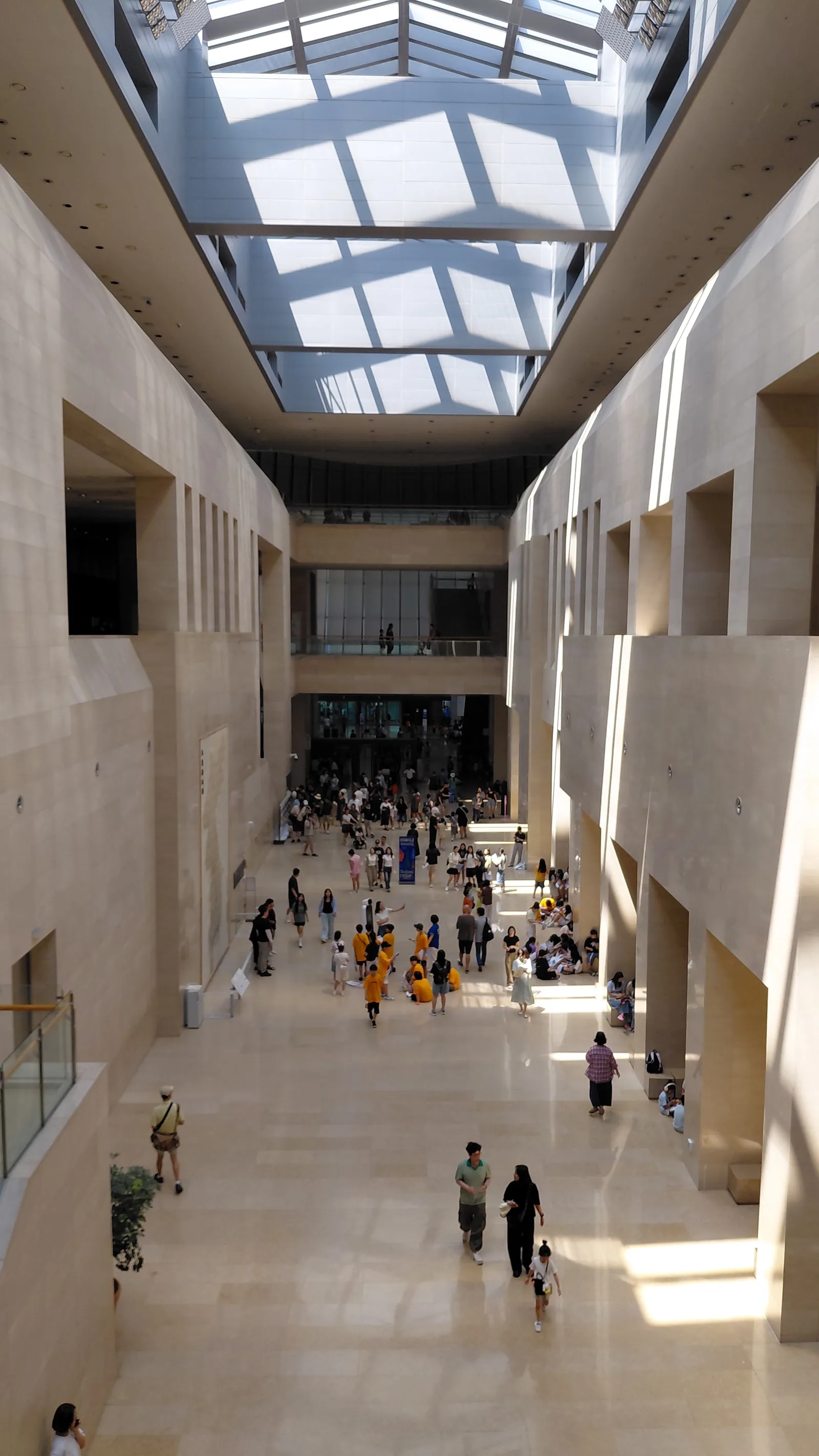
Seoul · South Korea
Seoul Culture Guide: Art, History & Local Traditions (2026)
museums, architecture, cultural districts, festivals, traditions that shape identity.
The culture of Seoul is a vibrant tapestry woven from its rich history, contemporary art scene, and dynamic traditions. With influences from the Joseon Dynasty, modern architecture, and a thriving café culture, visitors can explore a blend of ancient and modern experiences. Museums like the SOMA - Seoul Olympic Museum of Art and the Korean Stone Art Museum showcase the city's artistic evolution, while districts such as Insa-dong and Namsangol Hanok Village offer insights into traditional Korean life. Planning a cultural journey in Seoul involves visiting key sites, participating in local festivals, and enjoying the unique culinary landscape. In short, culture in Seoul is a mix of world-class collections and everyday rituals — café habits, markets and seasonal festivals — not a checklist of landmarks alone. Use this guide to sequence Lotte World, SOMA - Seoul Olympic Museum of Art, N Seoul Tower, House of Baek Inje, book timed tickets for the busiest museums, and leave room for architecture walks and neighborhood evenings that reveal local identity.
Key takeaways: culture in Seoul
- 15+ museums showcasing diverse art and history.
- 10+ major festivals celebrating local traditions.
- 3 days recommended for a deep cultural experience.
- Typical museum ticket prices range from $5 to $15.
- Explore 5 cultural districts for a rich experience.
Essential tips
- Visit during spring or autumn for pleasant weather and vibrant festivals.
- Explore cultural neighborhoods like Insa-dong for traditional crafts and tea.
- Book museum tickets online in advance to avoid long lines.
- Participate in local workshops to experience Korean traditions firsthand.
- Utilize public transit for convenient access to cultural sites.
Culture snapshot for Seoul
Scan the cultural DNA before diving into museums, districts and festivals.
What defines culture?
- Seoul's culture is a vibrant blend of traditional and contemporary influences, characterized by its rich history, dynamic art scene, and living traditions.
Perfect for
- art enthusiasts, history buffs, food lovers, and festival-goers.
Cultural highlights in Seoul
Key museums, heritage sites, districts and cultural landmarks ranked by importance — optimized for planning and search snippets.
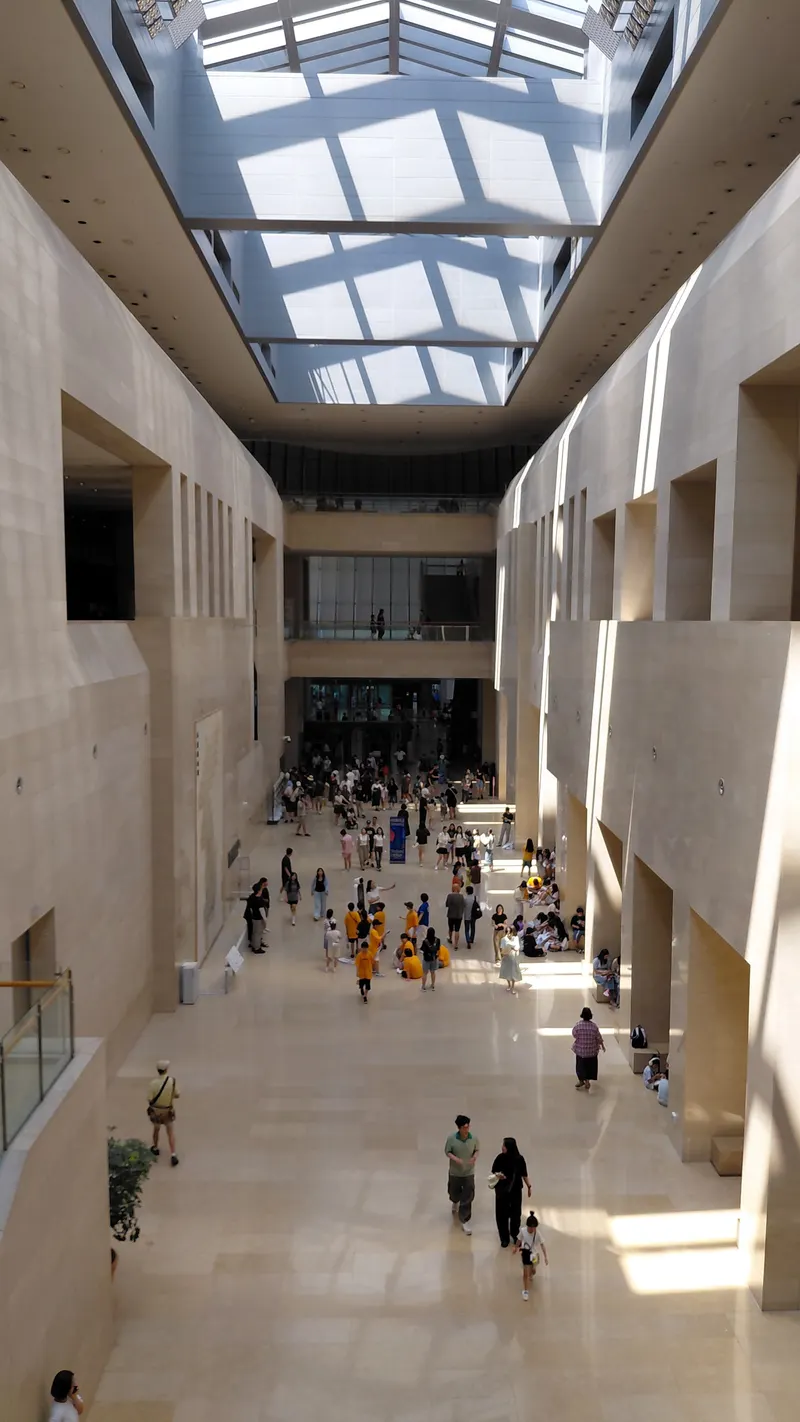
National Museum of Korea
The National Museum of Korea offers a treasure trove of artifacts that can spark curiosity in kids. The spacious layout allows for an engaging exploration of Korea's rich history.
🎨 Museum⏱ 1–2 hours⭐ 8/10📍 City Center
View details →

War Memorial of Korea
At the War Memorial of Korea, children can learn about the country's military history through interactive exhibits and outdoor displays of military equipment. It's an educational experience that can captivate young minds.
🎨 Museum⏱ 1–2 hours⭐ 8/10📍 City Center
View details →
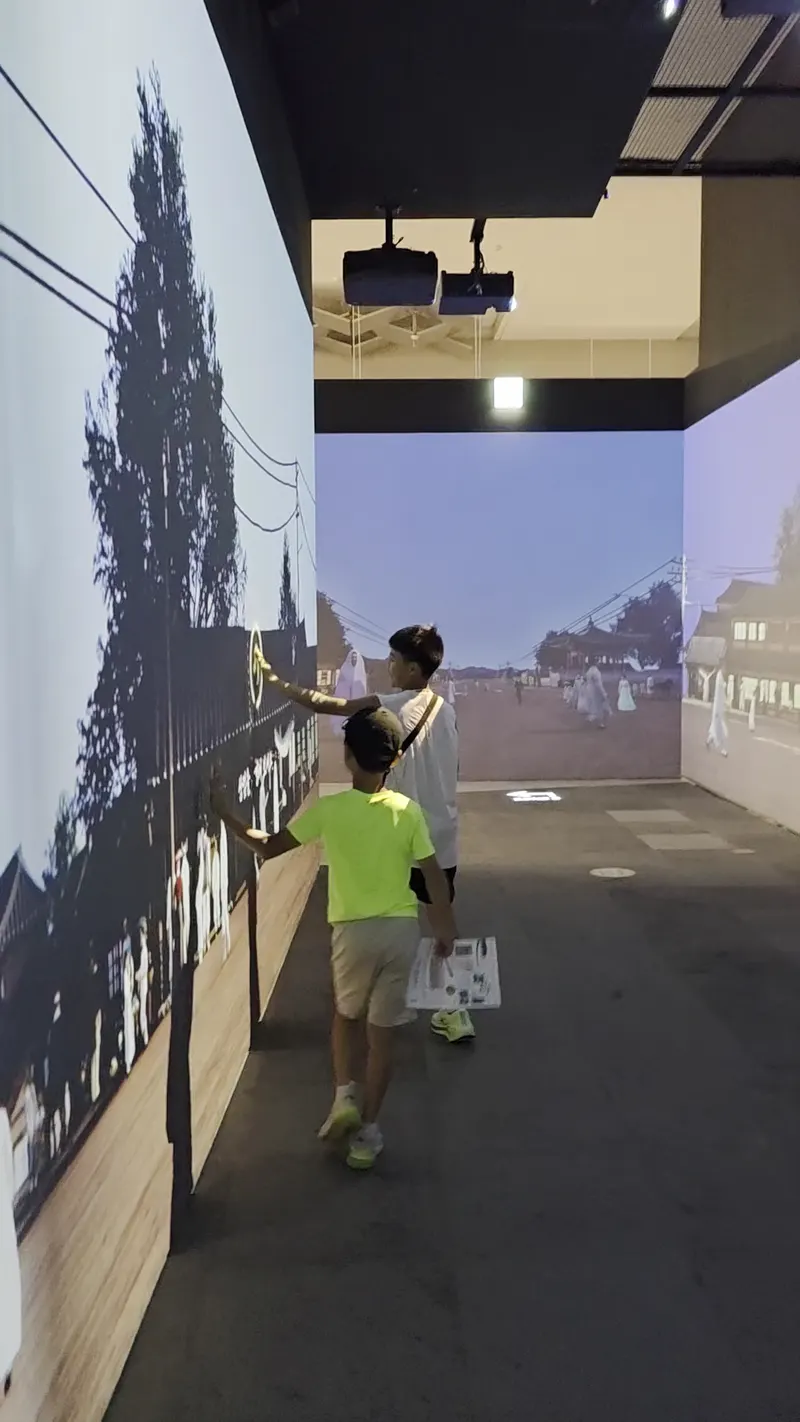
Seoul Museum of History
Seoul Museum of History provides insights into the city's past, showcasing historical artifacts and models. Kids can enjoy learning about Seoul's transformation over the years in a family-friendly environment.
🎨 Museum⏱ 1–2 hours⭐ 8/10📍 City Center
View details →

The National Folk Museum of Korea
The National Folk Museum of Korea introduces children to traditional Korean culture through exhibits and hands-on activities. It's a fun way for families to explore Korea's heritage together.
🎨 Museum⏱ 1–2 hours⭐ 8/10📍 City Center
View details →

National Aviation Museum of Korea
The National Aviation Museum of Korea showcases aircraft and aviation history, providing a fascinating experience for kids interested in flight. Interactive displays make learning about aviation exciting.
🎨 Museum⏱ 1–2 hours⭐ 8/10📍 City Center
View details →

Seodaemun Museum of Natural History
Seodaemun Museum of Natural History is great for curious minds, with exhibits on dinosaurs, fossils, and the natural world. Kids can learn about science in an engaging and interactive setting.
🎨 Museum⏱ 1–2 hours⭐ 8/10📍 City Center
View details →

Seoul Museum of Craft Art
Seoul Museum of Craft Art invites families to explore the world of traditional crafts. Kids can enjoy hands-on workshops that encourage creativity and artistic expression.
🎨 Museum⏱ 1–2 hours⭐ 8/10📍 City Center
View details →

Seodaemun Prison History Hall
Explore the Seodaemun Prison History Hall to learn about Korea's struggle for independence. The exhibits vividly depict the harsh realities faced by political prisoners during the Japanese occupation.
🎨 Museum⏱ 1–2 hours⭐ 8/10📍 City Center
View details →

National Palace Museum of Korea
Visit the National Palace Museum of Korea for a deep dive into Korea's royal heritage. The museum showcases artifacts and artworks that reflect the history and culture of the Joseon Dynasty.
🎨 Museum⏱ 1–2 hours⭐ 8/10📍 City Center
View details →
Museums & galleries in Seoul
Structured by type for long-tail museum searches — plan 2–4 hours per major institution.
Art Museums
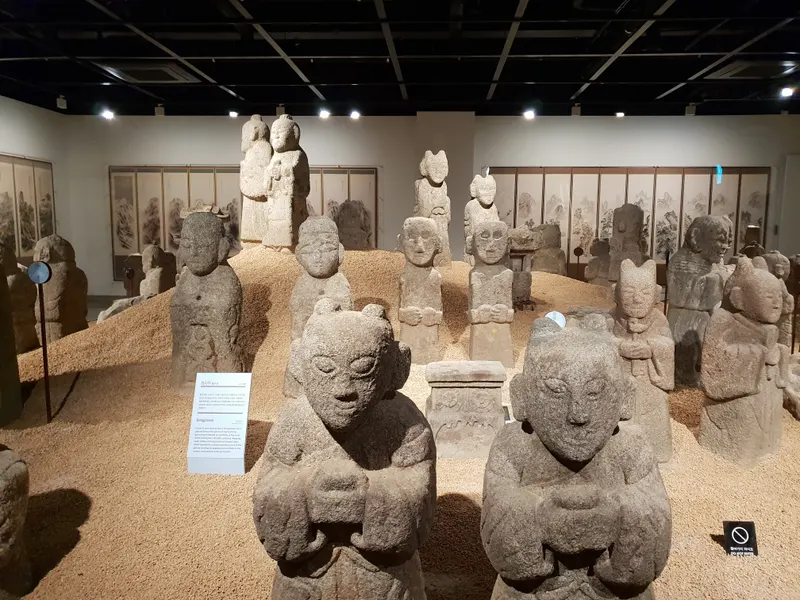
Korean Stone Art Museum
Dedicated to the beauty of stone art and its significance in Korean culture.
⏱ 1 hour⭐ 8/10💰 $5
History Museums

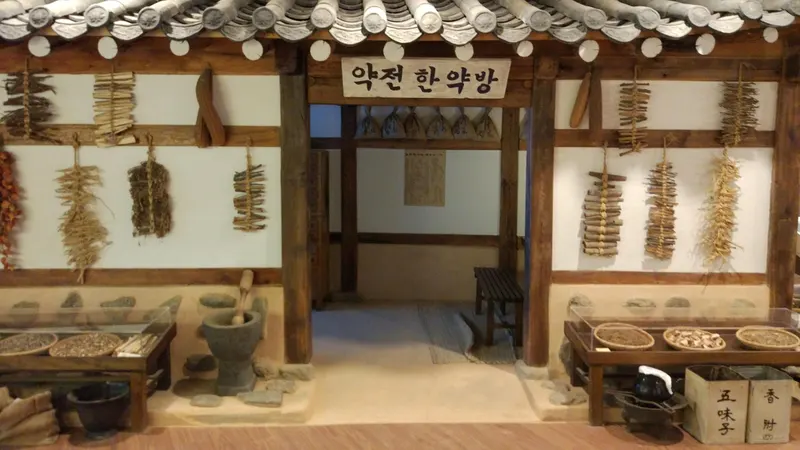
House of Baek Inje
A traditional hanok reflecting the architectural style of the Joseon Dynasty.
⏱ 1 hour⭐ 8/10💰 $3
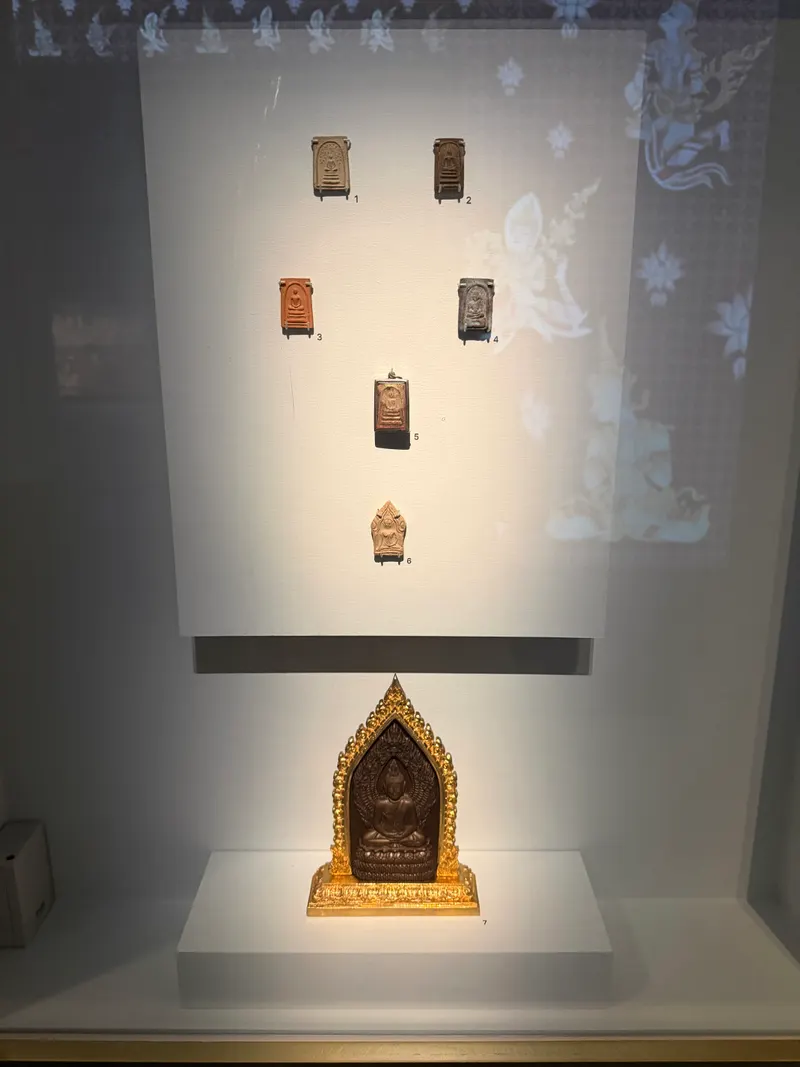
National Museum Cultural Foundation
Supports the preservation of Korean cultural heritage.
⏱ 1 hour⭐ 8/10💰 $5
Contemporary & Independent Art

SOMA - Seoul Olympic Museum of Art
This museum showcases contemporary art and emphasizes the connection between art and sports.
⏱ 1-2 hours⭐ 9/10💰 $5

K Museum of Contemporary Art
Known for its innovative approach to modern art and frequent exhibitions.
⏱ 1-2 hours⭐ 9/10💰 $10

Sungkok Art Museum
Offers a collection of modern and contemporary art with cultural events.
⏱ 1-2 hours⭐ 9/10💰 $7

Kumho Museum of Art
Renowned for contemporary Korean art and relevant societal themes.
⏱ 1-2 hours⭐ 9/10💰 $10
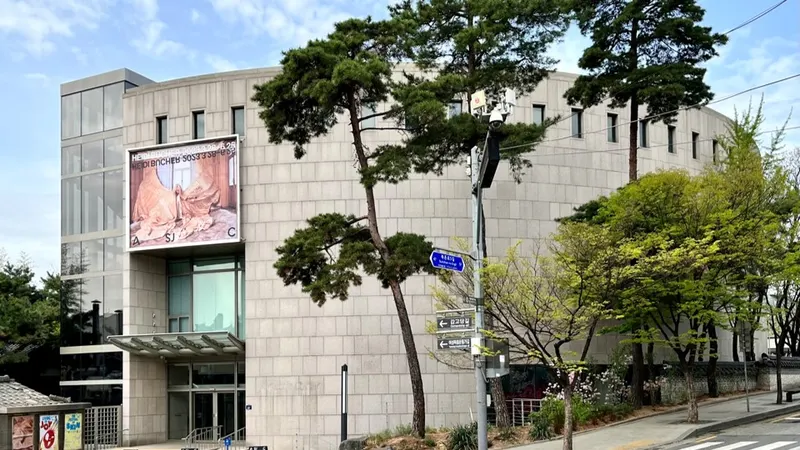
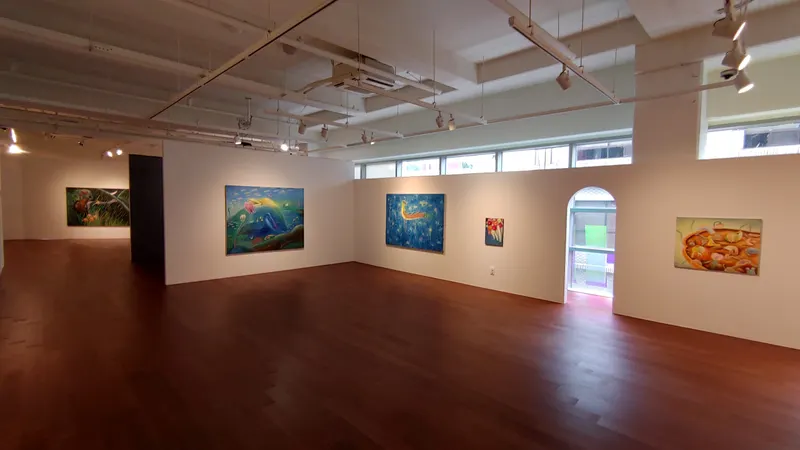
Art Sonje Center
Dedicated to contemporary art, promoting dialogue between artists and the public.
⏱ 1-2 hours⭐ 9/10💰 $8
Architecture & heritage in Seoul
From merchant houses to modern design — how building styles reveal the city's history.
Joseon Dynasty Architecture
1392-1910
Characterized by wooden structures and intricate designs, reflecting Confucian ideals.
Examples: Gyeongbokgung Palace, House of Baek Inje
Modernist Architecture
20th century
Features clean lines and functional forms, representing contemporary design.
Examples: Seoul City Hall, Dongdaemun Design Plaza
Traditional Hanok
Historical
Single-story homes with tiled roofs and wooden frames, emphasizing harmony with nature.
Examples: Namsangol Hanok Village
Contemporary Skyscrapers
21st century
Innovative designs that redefine the skyline, showcasing modern engineering.
Examples: Lotte World Tower, Samsung D’light
Local traditions & lifestyle in Seoul
Insider-level customs — origin, modern meaning and where to experience them today.
Tea Ceremony
- Origin
- Rooted in Confucianism, promoting mindfulness and respect.
- Modern meaning
- A way to connect with Korean heritage and enjoy tranquility.
- Where to experience
- Traditional tea houses in Insa-dong.
Kimjang
- Origin
- The traditional process of making kimchi, recognized by UNESCO.
- Modern meaning
- A communal activity that strengthens family bonds.
- Where to experience
- Local markets during winter months.
Hanbok Wearing
- Origin
- Traditional Korean clothing from the Joseon era.
- Modern meaning
- A symbol of Korean identity, often worn during celebrations.
- Where to experience
- Gyeongbokgung Palace and cultural festivals.
Calligraphy
- Origin
- An ancient art form that reflects Korean aesthetics.
- Modern meaning
- A popular hobby and cultural expression.
- Where to experience
- Workshops in Insadong.
Festivals & cultural events in Seoul
Seasonal highlights that reshape the city — plan around dates for the richest cultural experience.
Seollal (Lunar New Year)
Winter · Typically December–February (verify yearly)
Celebrates the lunar new year with family gatherings and traditional games.
👥 Families💰 Free⭐ A time for honoring ancestors and family ties.
Chuseok (Harvest Festival)
Fall · Typically September–November (verify yearly)
A major holiday for celebrating the harvest and honoring ancestors.
👥 Families💰 Free⭐ Similar to Thanksgiving, focusing on gratitude.
Seoul Lantern Festival
Fall · Typically September–November (verify yearly)
A festival featuring beautiful lantern displays along the Cheonggyecheon stream.
👥 Tourists and locals💰 $10⭐ Celebrates light and hope in the community.
Seoul Kimchi Making Festival
Winter · Typically December–February (verify yearly)
A festival dedicated to the tradition of kimjang, where visitors can participate in making kimchi.
👥 Food lovers💰 $5⭐ Highlights the importance of kimchi in Korean cuisine.
Seoul Summer Arts Festival
Summer · Typically June–August (verify yearly)
Open-air concerts, outdoor cinema and neighborhood stages that show how Seoul lives culture beyond museum walls.
👥 All ages💰 Many free / paid headline nights⭐ Living culture in public space
Seoul Heritage / Museum Night
Spring or Autumn · Usually May or September (verify yearly)
Timed evening openings when major museums and monuments stay open late with special programs.
👥 Culture travelers💰 Often free or reduced⭐ Access to flagship collections after hours
Cultural itineraries in Seoul
Ready-made routes from one-day highlights to deep three-day immersion and alternative repeat-visitor paths.
1 day
Cultural Exploration in Seoul
- 09:30Visit Gyeongbokgung Palace
- 12:00Explore Insa-dong Culture Street
- 14:30Discover House of Baek Inje
- 16:00Visit SOMA - Seoul Olympic Museum of Art
- 18:30Dinner at a traditional Korean restaurant
3 days
Deep Cultural Experience
- Day 1History and Heritage
- Day 2Art and Creativity
- Day 3Contemporary Culture
Alternative Culture Route
Beyond the Mainstream
- 09:30Visit Art Sonje Center
- 12:00Explore Korean Stone Art Museum
- 14:30Relax at a local café
- 16:00Attend a performance at JCC Arts Center Concert Hall
Flagship Seoul museums cap daily entries — book the timed slots on these routes first.
Book the paid stopsUnderstanding Seoul culture
Deep context for broad searches — history, art, identity and etiquette before you explore.
History That Shaped The City
Seoul's history is marked by its role as the capital of the Joseon Dynasty, established in 1392. The city has witnessed significant events, including the Japanese occupation and the Korean War, shaping its identity. Historical sites like Gyeongbokgung Palace and Bukchon Hanok Village reflect this rich heritage.
Art Movements
Seoul's contemporary art scene is vibrant, with movements reflecting both traditional and modern influences. The city hosts numerous galleries and art fairs, showcasing works from local and international artists. Institutions like the K Museum of Contemporary Art are pivotal in promoting innovative art.
Architecture Evolution
Seoul's architecture showcases a blend of traditional and modern styles. From the wooden hanoks of the Joseon era to contemporary skyscrapers like the Lotte World Tower, the city's skyline is a testament to its evolution. Each structure tells a story of the city's cultural and historical journey.
Local Identity
Seoul's identity is deeply rooted in its traditions and modern lifestyle. The coexistence of ancient temples and bustling markets reflects the city's dynamic nature. Neighborhoods like Insadong are hubs of cultural activity, where visitors can experience traditional crafts, tea houses, and street food.
Traditions & Customs
Korean traditions, such as the tea ceremony and kimjang, are integral to Seoul's culture. These practices not only preserve history but also foster community bonds. Festivals celebrating these traditions, like Seollal and Chuseok, offer insights into the values and customs of Korean society.
Modern Cultural Scene
Seoul's modern cultural scene is characterized by its vibrant youth culture, music, and digital art. The city is a hub for K-pop and contemporary dance, with events and performances happening year-round. Creative spaces and cultural districts like Hongdae foster innovation and artistic expression.
Cultural Etiquette
Understanding cultural etiquette is essential when visiting Seoul. Respect for elders, polite greetings, and proper dining etiquette are important aspects of Korean culture. Visitors should familiarize themselves with local customs to enhance their experience and show appreciation for the culture.
10 common cultural trip mistakes in Seoul
Stereotypes that waste time — and how to experience the city more deeply.
1. Focusing Only on Museums
Many travelers overlook the vibrant neighborhoods and living traditions that define Seoul's culture.
2. Skipping Neighborhood Exploration
Neglecting areas like Insadong and Hongdae means missing out on authentic cultural experiences.
3. History-Only Itineraries
Focusing solely on historical sites can lead to missing contemporary art and modern culture.
4. No Festival Planning
Failing to check local festivals can result in missing unique cultural celebrations.
5. Ignoring Ticket Booking
Not booking tickets in advance for popular attractions can lead to long waits or sold-out experiences.
6. Tourist-Zone-Only Visits
Sticking to tourist areas limits exposure to the true essence of Seoul's culture.
7. Underestimating Cultural Etiquette
Not understanding local customs can lead to misunderstandings and missed connections.
8. Overlooking Food Culture
Ignoring local cuisine and dining experiences misses a crucial aspect of cultural exploration.
9. Neglecting Seasonal Variations
Not considering seasonal changes can affect the experience of festivals and outdoor activities.
10. Rushing Through Experiences
Travelers often rush through attractions without taking the time to engage with the culture.
Frequently asked questions
FAQ for Seoul Culture Guide: Art, History & Local Traditions (2026)
Is Seoul worth visiting for museums?
Yes, Seoul is definitely worth visiting for its museums. With over 30 major museums, including the National Museum of Korea and various contemporary art spaces, there’s a rich array of cultural experiences to explore. Prioritize Lotte World, SOMA - Seoul Olympic Museum of Art, N Seoul Tower, House of Baek Inje, book timed tickets where required, cluster stops by district to cut transit time, and balance one major museum with a walk or living tradition each day in Seoul.
How many days do you need for Seoul culture?
Ideally, 3 to 5 days are recommended to fully experience Seoul's cultural offerings. This allows time to visit museums, historical sites, and participate in local traditions and festivals. Prioritize Lotte World, SOMA - Seoul Olympic Museum of Art, N Seoul Tower, House of Baek Inje, book timed tickets where required, cluster stops by district to cut transit time, and balance one major museum with a walk or living tradition each day in Seoul.
What are some UNESCO World Heritage sites in Seoul?
Seoul is home to several UNESCO World Heritage sites, including the Changdeokgung Palace Complex and the Historic Villages of Korea. These sites reflect the city's historical significance and architectural beauty. Prioritize Lotte World, SOMA - Seoul Olympic Museum of Art, N Seoul Tower, House of Baek Inje, book timed tickets where required, cluster stops by district to cut transit time, and balance one major museum with a walk or living tradition each day in Seoul.
What neighborhoods should I explore for local culture?
Insa-dong and Bukchon Hanok Village are must-visit neighborhoods for experiencing local culture. They offer traditional crafts, tea houses, and opportunities to interact with local artisans. Prioritize Lotte World, SOMA - Seoul Olympic Museum of Art, N Seoul Tower, House of Baek Inje, book timed tickets where required, cluster stops by district to cut transit time, and balance one major museum with a walk or living tradition each day in Seoul.
What is the cultural etiquette in Seoul?
Cultural etiquette in Seoul includes bowing as a greeting, using both hands when giving or receiving items, and being respectful in temples. Learning a few basic Korean phrases can also enhance your experience. Prioritize Lotte World, SOMA - Seoul Olympic Museum of Art, N Seoul Tower, House of Baek Inje, book timed tickets where required, cluster stops by district to cut transit time, and balance one major museum with a walk or living tradition each day in Seoul.
How can I book tickets for cultural events in Seoul?
Tickets for cultural events in Seoul can be booked online through official websites, ticketing platforms, or at the venue. It's advisable to book in advance, especially for popular performances. Prioritize Lotte World, SOMA - Seoul Olympic Museum of Art, N Seoul Tower, House of Baek Inje, book timed tickets where required, cluster stops by district to cut transit time, and balance one major museum with a walk or living tradition each day in Seoul.
Are there any free cultural activities in Seoul?
Yes, there are numerous free cultural activities in Seoul, including visiting public parks, exploring traditional markets, and attending free festivals. Many museums also offer free admission on certain days. Prioritize Lotte World, SOMA - Seoul Olympic Museum of Art, N Seoul Tower, House of Baek Inje, book timed tickets where required, cluster stops by district to cut transit time, and balance one major museum with a walk or living tradition each day in Seoul.
What festivals can I experience in Seoul?
Seoul hosts a variety of festivals throughout the year, including the Seoul Lantern Festival in November and the Cherry Blossom Festival in spring. These events showcase the city's vibrant culture and traditions. Prioritize Lotte World, SOMA - Seoul Olympic Museum of Art, N Seoul Tower, House of Baek Inje, book timed tickets where required, cluster stops by district to cut transit time, and balance one major museum with a walk or living tradition each day in Seoul.
What is the best time to visit Seoul for cultural experiences?
The best times to visit Seoul for cultural experiences are during spring (April to June) and autumn (September to November). These seasons feature pleasant weather and numerous cultural festivals. Prioritize Lotte World, SOMA - Seoul Olympic Museum of Art, N Seoul Tower, House of Baek Inje, book timed tickets where required, cluster stops by district to cut transit time, and balance one major museum with a walk or living tradition each day in Seoul.
What types of traditional crafts can I find in Seoul?
In Seoul, you can find traditional crafts such as hanbok (Korean clothing), pottery, and calligraphy. Insa-dong is particularly known for its shops selling handmade crafts and artworks. Prioritize Lotte World, SOMA - Seoul Olympic Museum of Art, N Seoul Tower, House of Baek Inje, book timed tickets where required, cluster stops by district to cut transit time, and balance one major museum with a walk or living tradition each day in Seoul.
What is the significance of Namsangol Hanok Village?
Namsangol Hanok Village is significant as it showcases traditional Korean architecture and lifestyle from the Joseon Dynasty. Visitors can participate in cultural activities and gain insight into Korea's past. Prioritize Lotte World, SOMA - Seoul Olympic Museum of Art, N Seoul Tower, House of Baek Inje, book timed tickets where required, cluster stops by district to cut transit time, and balance one major museum with a walk or living tradition each day in Seoul.
How can I experience traditional Korean tea culture?
To experience traditional Korean tea culture, visit tea houses in Insa-dong or Bukchon Hanok Village. Many offer tea ceremonies and tastings, allowing you to learn about the history and significance of Korean tea. Prioritize Lotte World, SOMA - Seoul Olympic Museum of Art, N Seoul Tower, House of Baek Inje, book timed tickets where required, cluster stops by district to cut transit time, and balance one major museum with a walk or living tradition each day in Seoul.
What is Seoul famous for culturally?
Seoul is known for layered history, major museum collections, distinctive architecture and living traditions that blend heritage with contemporary creativity.
Are there UNESCO World Heritage sites in Seoul?
Check the architecture and highlights sections for verified UNESCO-listed districts, monuments or historic ensembles in and around Seoul.
Which neighborhoods have the strongest cultural identity?
Historic cores and museum quarters anchor first visits; residential and creative districts reveal how locals actually live and make art.
How many days do you need for culture in Seoul?
Two days covers flagship museums and old town walks; three to four days allow festivals, independent galleries and deeper neighborhood time.
Do I need to book museum tickets in advance?
For top-tier national museums yes — timed entry prevents queue fatigue. Smaller municipal museums often allow same-day tickets.
What is the best season for cultural travel to Seoul?
Spring and autumn balance comfortable walking weather with festival seasons. Winter suits museum-heavy itineraries.
Are there free cultural attractions in Seoul?
Many cities offer free historic districts, churches, markets and select museum hours — see the highlights and traditions sections.
Is Seoul good for architecture lovers?
Use the architecture section to trace the city's verified local styles, landmark buildings and periods of urban change.
More culture guides beyond Seoul
Compare museums, heritage districts and local traditions in other TripByMood destinations.
Get free Seoul culture guide
Offline cultural map, museum shortlist, festival calendar and itinerary timeline — coming soon.
PDF export launches soon — bookmark this guide meanwhile.
Book your cultural Seoul trip
Museum passes, guided tours and audio guides — affiliate links help keep this guide free.
Seoul Museum Passes
City cards and multi-museum tickets for skip-the-line entry.
Compare passes →Cultural Tours in Seoul
Expert-led walks through historic districts and museum quarters.
Book tour →Audio Guides for Seoul
Self-paced museum and architecture commentary on your phone.
Get audio guide →Concert Tickets in Seoul
Opera, classical and live venues that sell out weeks ahead.
See what is on →