

Florence · Italy
Florence Culture Guide: Art, History & Local Traditions (2026)
museums, architecture, cultural districts, festivals, traditions that shape identity.
The culture of Florence is a vibrant tapestry woven from its rich history, stunning art, and enduring traditions. Known as the birthplace of the Renaissance, Florence boasts world-class museums, such as the Uffizi Galleries and the Galleria dell’Accademia di Firenze, alongside living traditions like the vibrant San Lorenzo Market. To fully appreciate the city's cultural offerings, plan to explore its historic neighborhoods, indulge in local cuisine, and participate in seasonal festivals. The best time to visit is during spring and fall when the weather is pleasant, and cultural events abound. In short, culture in Florence is a mix of world-class collections and everyday rituals — café habits, markets and seasonal festivals — not a checklist of landmarks alone. Use this guide to sequence Museo HZERO, Villa Bardini, Basilica di Santo Spirito, Roof Machiavelli Palace, book timed tickets for the busiest museums, and leave room for architecture walks and neighborhood evenings that reveal local identity.
Key takeaways: culture in Florence
- Over 80 museums and galleries to explore.
- 1 UNESCO World Heritage Site: Florence Historic Centre.
- Typical museum ticket prices range from €8 to €20.
- 15+ major festivals celebrated throughout the year.
- Recommended stay: 3-5 days to fully enjoy the culture.
Essential tips
- Book museum tickets in advance to avoid long lines.
- Explore different neighborhoods for a taste of local life.
- Try traditional Florentine dishes like ribollita and pappa al pomodoro.
- Visit during the off-peak seasons for a more relaxed experience.
- Check local calendars for festivals and events during your stay.
Culture snapshot for Florence
Scan the cultural DNA before diving into museums, districts and festivals.
What defines culture?
- Florence's culture is defined by its rich Renaissance history, vibrant arts scene, and living traditions.
Perfect for
- art lovers, history enthusiasts, and those seeking authentic Italian experiences.
Cultural highlights in Florence
Key museums, heritage sites, districts and cultural landmarks ranked by importance — optimized for planning and search snippets.
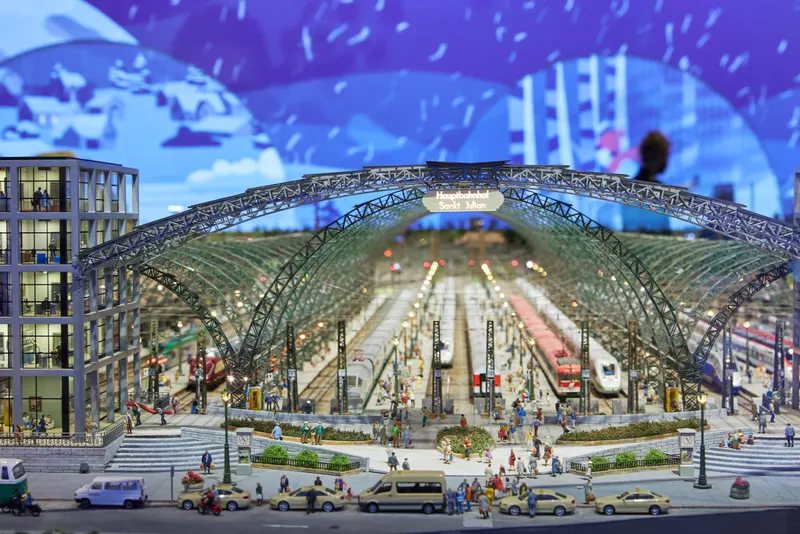
Museo HZERO
Museo HZERO is a contemporary art space that often features innovative exhibitions, perfect for those looking to explore modern creativity in Florence.
🎨 Museum⏱ 1–2 hours⭐ 8/10📍 Oltrarno
View details →

Villa Bardini
Villa Bardini features beautifully landscaped gardens and a panoramic view of Florence, making it a lovely spot for a peaceful stroll away from the crowds.
🎨 Museum⏱ 1–2 hours⭐ 7/10📍 Oltrarno
View details →

Basilica di Santo Spirito
The Basilica di Santo Spirito, located in the lively piazza of the same name, showcases a stunning blend of Renaissance architecture and local life, ideal for quiet contemplation.
🎨 Attraction⏱ 1 hour⭐ 9/10📍 Oltrarno
View details →
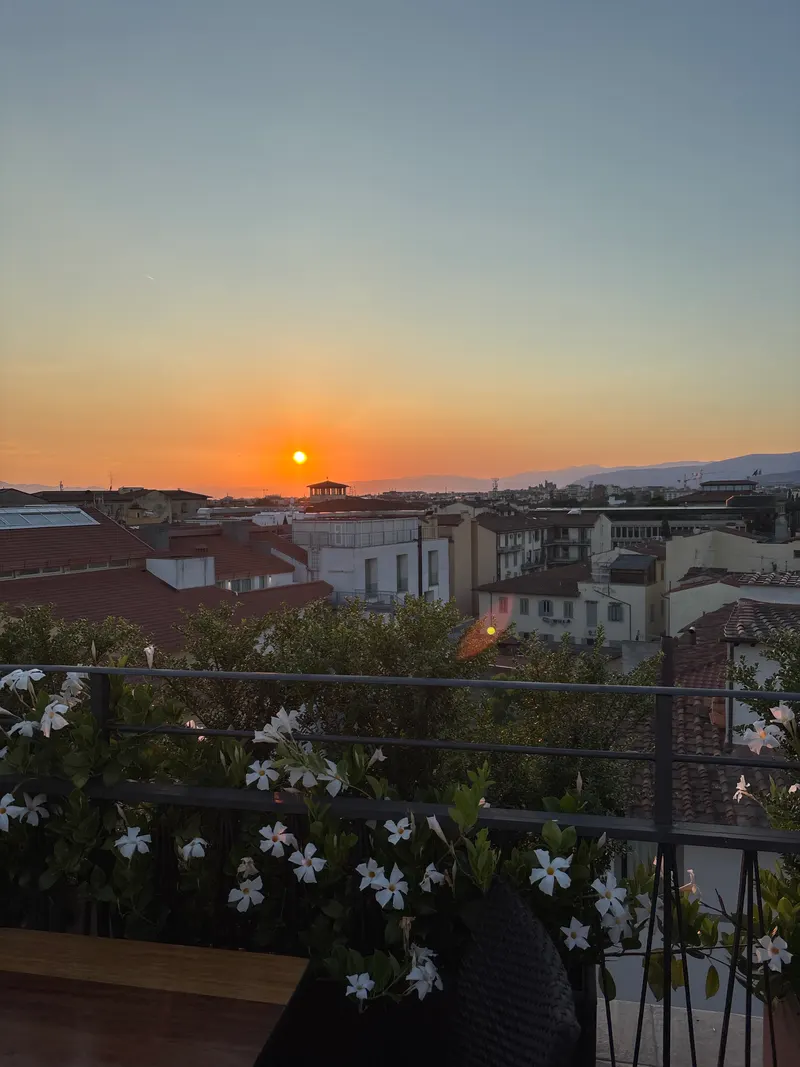
Roof Machiavelli Palace
The Roof Machiavelli Palace offers a unique vantage point over Florence. Enjoying a drink here can be a delightful way to unwind together after a day of exploring.
🎨 Attraction⏱ 1 hour⭐ 8/10📍 Centro Storico
View details →

Palatine Gallery
Palatine Gallery, located in the Pitti Palace, showcases an impressive collection of art. Admission fees apply, but it's a worthwhile experience for art lovers on a budget.
🎨 Museum⏱ 1–2 hours⭐ 9/10📍 Oltrarno
View details →

Museo degli Innocenti
Museo degli Innocenti is dedicated to the history of childhood and offers a unique perspective on Florence's social history. It's a budget-friendly option for those interested in cultural insights.
🎨 Museum⏱ 1–2 hours⭐ 7/10📍 Centro Storico
View details →

Opificio delle Pietre Dure
Opificio delle Pietre Dure on Via degli Alfani is a museum dedicated to the art of stone inlay and conservation. This indoor space provides a unique look at craftsmanship and art, perfect for a rainy day.
🎨 Museum⏱ 1–2 hours⭐ 8/10📍 Centro Storico
View details →
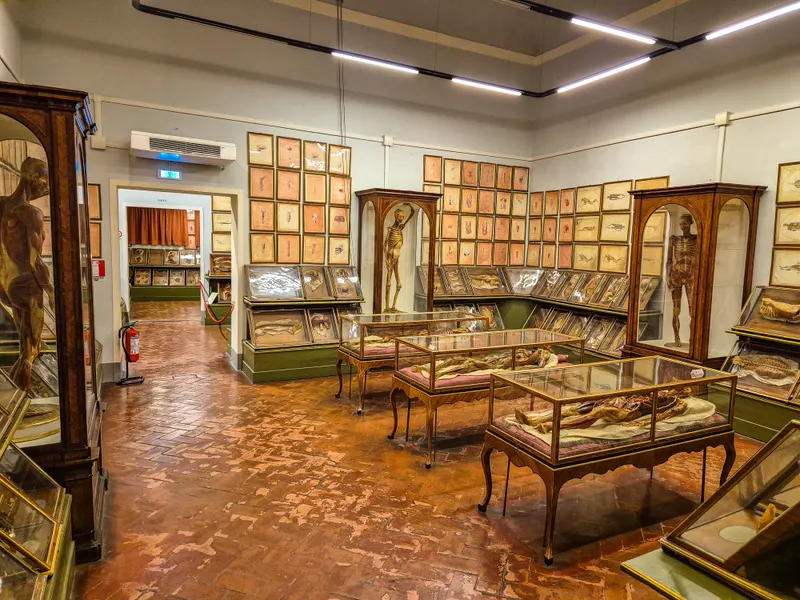
Museum of Natural History, La Specola
The Museum of Natural History, La Specola, located on Via Romana, is an engaging spot for those interested in natural history and science. Its indoor exhibits offer a fascinating way to spend a rainy afternoon.
🎨 Museum⏱ 1–2 hours⭐ 7/10📍 Centro Storico
View details →
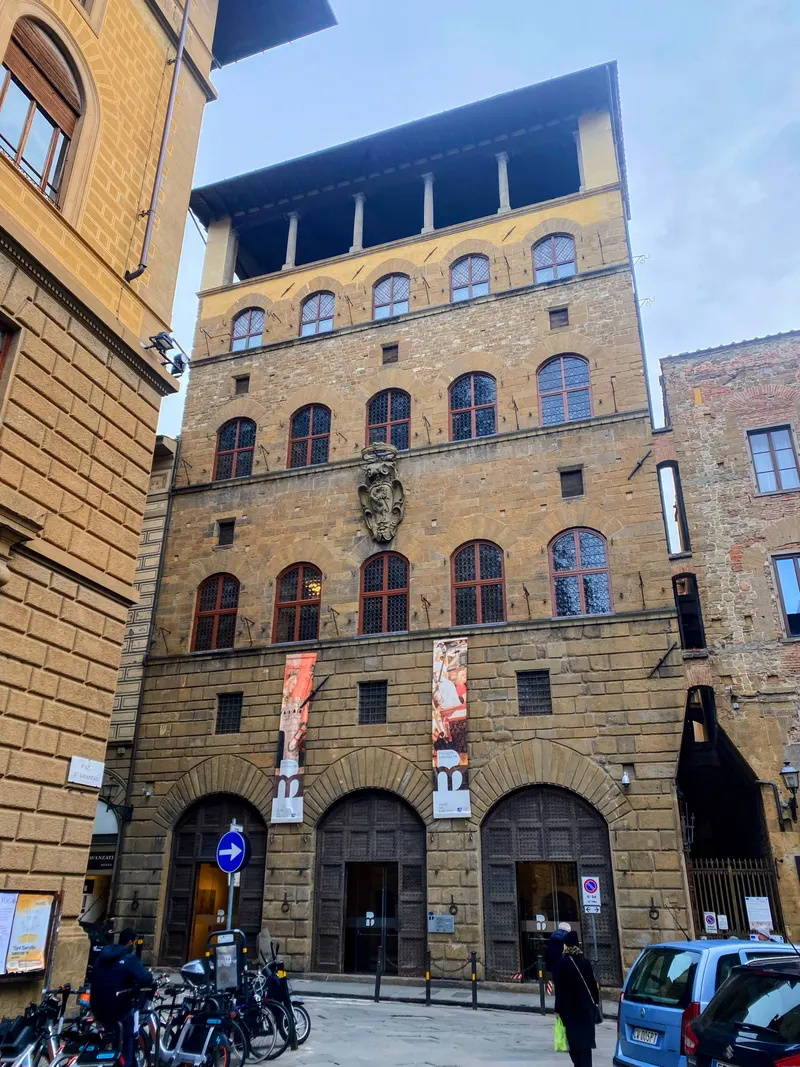
Museo di Palazzo Davanzati
Museo di Palazzo Davanzati on Via Porta Rossa is a charming museum showcasing medieval Florentine life. It’s a cozy indoor setting to explore historical furnishings and art while staying dry.
🎨 Museum⏱ 1–2 hours⭐ 7/10📍 Centro Storico
View details →
Museums & galleries in Florence
Structured by type for long-tail museum searches — plan 2–4 hours per major institution.
Art Museums

Uffizi Galleries
Home to masterpieces by Botticelli and Michelangelo, the Uffizi is a cornerstone of Renaissance art.
⏱ 2-3 hours⭐ 10/10💰 €20
Palatine Gallery
Located in the Pitti Palace, it showcases a vast collection of Renaissance art.
⏱ 1-2 hours⭐ 9/10💰 €12

Museo Nazionale del Bargello
Houses an impressive collection of Renaissance sculptures, including works by Donatello.
⏱ 1-2 hours⭐ 9/10💰 €8

Museo di San Marco
A serene museum filled with works by Fra Angelico, ideal for art lovers.
⏱ 1-2 hours⭐ 9/10💰 €6
History Museums
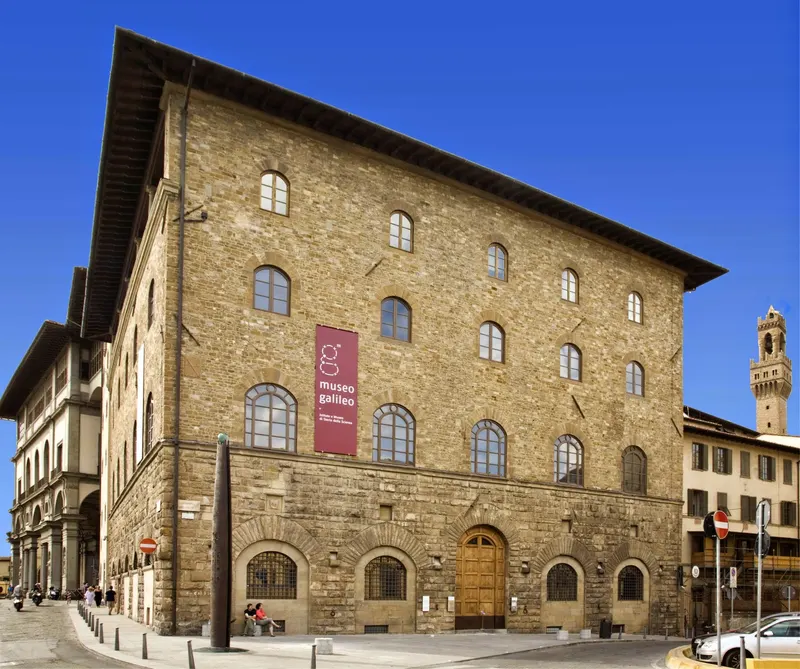
Museo Galileo
An interactive museum dedicated to the history of science and Galileo's contributions.
⏱ 1-2 hours⭐ 8/10💰 €10
Museum of Natural History, La Specola
Engaging exhibits on natural history, perfect for families and curious minds.
⏱ 1-2 hours⭐ 7/10💰 €8
Museo degli Innocenti
Focuses on the history of childhood, providing cultural insights into Florence's past.
⏱ 1 hour⭐ 7/10💰 5€
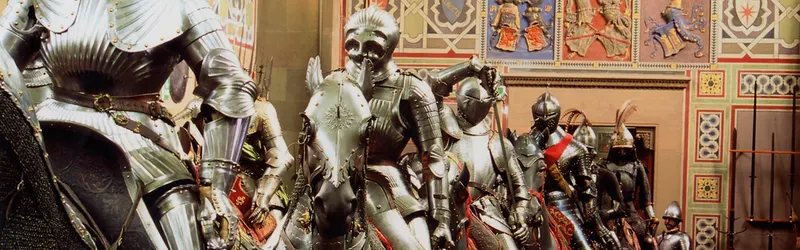
Stibbert Museum
Showcases a vast collection of arms and armor, reflecting Florence's eclectic history.
⏱ 1-2 hours⭐ 7/10💰 8€

Opera del Duomo Museum
Houses original artworks related to the Florence Cathedral's history.
⏱ 1-2 hours⭐ 9/10💰 15€
Contemporary & Independent Art

Cattedrale dell'Immagine
Offers immersive projections that create a unique visual experience.
⏱ 1 hour⭐ 8/10💰 €10
Architecture & heritage in Florence
From merchant houses to modern design — how building styles reveal the city's history.
Gothic
12th-16th century
Characterized by pointed arches and ribbed vaults, Gothic architecture is prominent in Florence.
Examples: Cathedral of Santa Maria del Fiore, Basilica of Santa Maria Novella.
Renaissance
15th-16th century
Marked by symmetry and proportion, Renaissance architecture reflects the city's cultural rebirth.
Examples: Palazzo Vecchio, Uffizi Gallery.
Baroque
17th-18th century
Known for its grandeur and dramatic use of light, Baroque architecture adds to Florence's richness.
Examples: Basilica of San Lorenzo.
Neoclassical
18th-19th century
Emphasizes classical Greek and Roman forms, contributing to the city's architectural diversity.
Examples: Teatro della Pergola.
Local traditions & lifestyle in Florence
Insider-level customs — origin, modern meaning and where to experience them today.
Festa della Rificolona
- Origin
- A traditional festival celebrating the Virgin Mary.
- Modern meaning
- A vibrant event with lanterns and music, reflecting community spirit.
- Where to experience
- Piazza Santa Croce, early September.
Scoppio del Carro
- Origin
- An ancient Easter tradition to ensure a good harvest.
- Modern meaning
- A colorful event with fireworks and a cart filled with fireworks.
- Where to experience
- Piazza del Duomo, Easter Sunday.
Palio di Firenze
- Origin
- A historic horse race dating back to the Renaissance.
- Modern meaning
- A lively competition showcasing local pride and tradition.
- Where to experience
- Piazza della Signoria, last Sunday of June.
Mercato di San Lorenzo
- Origin
- A traditional market for food and crafts.
- Modern meaning
- A bustling hub for locals and visitors to enjoy Florentine cuisine.
- Where to experience
- San Lorenzo Market, daily.
Festivals & cultural events in Florence
Seasonal highlights that reshape the city — plan around dates for the richest cultural experience.
Festa della Rificolona
Fall · early September
A festival celebrating the Virgin Mary with lanterns and music.
👥 Families and locals💰 Free⭐ Celebrates community and tradition.
Scoppio del Carro
Spring · Typically March–May (verify yearly)
An Easter event with fireworks and a cart filled with fireworks.
👥 All ages💰 Free⭐ Ensures a good harvest.
Palio di Firenze
Summer · last Sunday of June
A historic horse race showcasing local pride.
👥 All ages💰 Free⭐ A symbol of Florentine heritage.
Festa di San Giovanni
Summer · 24 June
Celebrating Florence's patron saint with parades and fireworks.
👥 All ages💰 Free⭐ A highlight of the summer calendar.
Florence Biennale
Fall · mid-October
An international contemporary art exhibition.
👥 Art enthusiasts💰 €10-€20⭐ Showcases contemporary art.
Florence Summer Arts Festival
Summer · Typically June–August
Open-air concerts, outdoor cinema and neighborhood stages that show how Florence lives culture beyond museum walls.
👥 All ages💰 Many free / paid headline nights⭐ Living culture in public space
Cultural itineraries in Florence
Ready-made routes from one-day highlights to deep three-day immersion and alternative repeat-visitor paths.
1 day
A Day in Florence's Culture
3 days
Deep Dive into Florence's Culture
Alternative
Alternative Culture Route
- 10:00Visit Museo di San Marco
- 12:00Explore Stibbert Museum
- 14:00Lunch at a local trattoria
- 16:00Visit Museo degli Innocenti
Flagship Florence museums cap daily entries — book the timed slots on these routes first.
Book the paid stopsUnderstanding Florence culture
Deep context for broad searches — history, art, identity and etiquette before you explore.
History That Shaped The City
Florence's history is deeply intertwined with the Renaissance, a period that saw the flourishing of art, literature, and humanism. Key figures like Dante Alighieri and Lorenzo de' Medici shaped the city's cultural landscape. The historic center, a UNESCO World Heritage Site, reflects this rich past through its architecture and art.
Art Movements
Florence is the birthplace of Renaissance art, characterized by a revival of classical themes and techniques. Artists such as Michelangelo, Botticelli, and Leonardo da Vinci pushed boundaries, creating timeless masterpieces. The Uffizi Galleries and Galleria dell’Accademia are must-visit sites to appreciate this artistic legacy.
Architecture Evolution
Florentine architecture evolved from Romanesque to Gothic and eventually to Renaissance styles. Iconic structures like the Cathedral of Santa Maria del Fiore showcase this evolution, blending functionality with aesthetic beauty. The city's architectural diversity is a testament to its historical significance.
Local Identity
Florence's local identity is shaped by its rich artistic heritage and vibrant contemporary culture. The city's residents take pride in their traditions, from culinary delights to annual festivals. Markets like Mercato di San Lorenzo reflect the local lifestyle, where food and community intertwine.
Traditions & Customs
Florentine traditions are a blend of historical events and local customs. Festivals like the Scoppio del Carro and Festa della Rificolona celebrate the city's cultural heritage. These events offer visitors a glimpse into the community's values and the importance of tradition in daily life.
Modern Cultural Scene
Florence's modern cultural scene thrives with contemporary art galleries, theaters, and music festivals. Events like the Florence Biennale highlight the city's ongoing artistic evolution. This dynamic atmosphere attracts artists and creatives, ensuring that Florence remains a cultural hub.
Cultural Etiquette
Understanding local customs is essential when visiting Florence. Greetings are important; a friendly 'buongiorno' goes a long way. Dining etiquette includes savoring meals and enjoying leisurely meals, reflecting the Italian approach to food. Respecting cultural sites and traditions is crucial for a meaningful experience.
10 common cultural trip mistakes in Florence
Stereotypes that waste time — and how to experience the city more deeply.
1. Focusing Only on Museums
Many visitors concentrate solely on museums, missing the vibrant street life and local experiences that define Florence.
2. Ignoring Neighborhoods
Sticking only to tourist hotspots overlooks the charm of local neighborhoods like Oltrarno and San Niccolò.
3. History-Only Itinerary
Planning a history-focused trip neglects contemporary culture and arts that Florence has to offer.
4. Skipping Festivals
Avoiding local festivals means missing out on authentic cultural experiences and community celebrations.
5. Not Booking in Advance
Failing to book museum tickets in advance can lead to long waits and missed opportunities.
6. Rushing Through Attractions
Many travelers rush through attractions without taking the time to appreciate the art and history.
7. Tourist-Zone-Only Visits
Staying within tourist zones limits the chance to experience authentic Florentine life and local cuisine.
8. Neglecting Local Cuisine
Not trying local dishes like ribollita or pappa al pomodoro misses a key aspect of Florentine culture.
9. Overlooking Transportation
Ignoring public transport options can make navigating the city more challenging and less enjoyable.
10. Not Engaging with Locals
Failing to interact with locals can lead to a less enriching experience of Florence's culture.
Frequently asked questions
FAQ for Florence Culture Guide: Art, History & Local Traditions (2026)
Is Florence worth visiting for museums?
Yes, Florence is renowned for its museums, housing masterpieces from the Renaissance era, including works by Michelangelo and Botticelli. The Uffizi Galleries and Galleria dell’Accademia are must-visit destinations for art lovers. Prioritize Museo HZERO, Villa Bardini, Basilica di Santo Spirito, Roof Machiavelli Palace, book timed tickets where required, cluster stops by district to cut transit time, and balance one major museum with a walk or living tradition each day in Florence.
How many days do you need for Florence culture?
A minimum of three days is recommended to fully immerse yourself in Florence's cultural offerings, including its museums, historic sites, and local traditions. Prioritize Museo HZERO, Villa Bardini, Basilica di Santo Spirito, Roof Machiavelli Palace, book timed tickets where required, cluster stops by district to cut transit time, and balance one major museum with a walk or living tradition each day in Florence.
What are the UNESCO sites in Florence?
Florence is home to several UNESCO World Heritage Sites, including the Historic Centre of Florence, which encompasses remarkable landmarks like the Cathedral of Santa Maria del Fiore and the Ponte Vecchio. Prioritize Museo HZERO, Villa Bardini, Basilica di Santo Spirito, Roof Machiavelli Palace, book timed tickets where required, cluster stops by district to cut transit time, and balance one major museum with a walk or living tradition each day in Florence.
What neighborhoods should I explore in Florence?
Key neighborhoods include the historic Centro Storico, the artisan-filled Oltrarno, and the bustling San Lorenzo district, each offering unique cultural experiences and local flavors. Prioritize Museo HZERO, Villa Bardini, Basilica di Santo Spirito, Roof Machiavelli Palace, book timed tickets where required, cluster stops by district to cut transit time, and balance one major museum with a walk or living tradition each day in Florence.
What is the best time to visit Florence for culture?
The best times to visit Florence for cultural experiences are during spring (April to June) and fall (September to October) when the weather is mild and various cultural events take place. Prioritize Museo HZERO, Villa Bardini, Basilica di Santo Spirito, Roof Machiavelli Palace, book timed tickets where required, cluster stops by district to cut transit time, and balance one major museum with a walk or living tradition each day in Florence.
Are there any free cultural activities in Florence?
Yes, many cultural activities in Florence are free, including exploring public squares like Piazza della Signoria, visiting local markets, and enjoying street performances throughout the city. Prioritize Museo HZERO, Villa Bardini, Basilica di Santo Spirito, Roof Machiavelli Palace, book timed tickets where required, cluster stops by district to cut transit time, and balance one major museum with a walk or living tradition each day in Florence.
What is the etiquette when visiting museums in Florence?
When visiting museums in Florence, it's important to speak softly, avoid touching artworks, and follow photography rules. Dress respectfully, especially in religious sites. Prioritize Museo HZERO, Villa Bardini, Basilica di Santo Spirito, Roof Machiavelli Palace, book timed tickets where required, cluster stops by district to cut transit time, and balance one major museum with a walk or living tradition each day in Florence.
How do I book tickets for Florence museums?
Tickets for Florence museums can be booked online through official websites or at local tourist information centers. It's advisable to book in advance, especially for popular sites. Prioritize Museo HZERO, Villa Bardini, Basilica di Santo Spirito, Roof Machiavelli Palace, book timed tickets where required, cluster stops by district to cut transit time, and balance one major museum with a walk or living tradition each day in Florence.
What local dishes should I try in Florence?
Florence is known for its delicious local cuisine. Be sure to try ribollita, a hearty vegetable soup, and the famous Florentine steak, known as 'bistecca alla Fiorentina'. Prioritize Museo HZERO, Villa Bardini, Basilica di Santo Spirito, Roof Machiavelli Palace, book timed tickets where required, cluster stops by district to cut transit time, and balance one major museum with a walk or living tradition each day in Florence.
What festivals are celebrated in Florence?
Florence hosts numerous festivals, including the Scoppio del Carro (Explosion of the Cart) on Easter Sunday, and the Festa della Rificolana in September, showcasing the city's rich cultural traditions. Prioritize Museo HZERO, Villa Bardini, Basilica di Santo Spirito, Roof Machiavelli Palace, book timed tickets where required, cluster stops by district to cut transit time, and balance one major museum with a walk or living tradition each day in Florence.
What are some traditional crafts to find in Florence?
Florence is famous for its traditional crafts, including leather goods, goldsmithing, and ceramics. Visit the Oltrarno district to find authentic artisan shops. Prioritize Museo HZERO, Villa Bardini, Basilica di Santo Spirito, Roof Machiavelli Palace, book timed tickets where required, cluster stops by district to cut transit time, and balance one major museum with a walk or living tradition each day in Florence.
How can I experience local life in Florence?
To experience local life in Florence, visit neighborhood markets like Mercato Centrale, enjoy a coffee at a local café, and participate in community events or festivals. Prioritize Museo HZERO, Villa Bardini, Basilica di Santo Spirito, Roof Machiavelli Palace, book timed tickets where required, cluster stops by district to cut transit time, and balance one major museum with a walk or living tradition each day in Florence.
What is Florence famous for culturally?
Florence is known for layered history, major museum collections, distinctive architecture and living traditions that blend heritage with contemporary creativity.
Are there UNESCO World Heritage sites in Florence?
Check the architecture and highlights sections for verified UNESCO-listed districts, monuments or historic ensembles in and around Florence.
Which neighborhoods have the strongest cultural identity?
Historic cores and museum quarters anchor first visits; residential and creative districts reveal how locals actually live and make art.
How many days do you need for culture in Florence?
Two days covers flagship museums and old town walks; three to four days allow festivals, independent galleries and deeper neighborhood time.
Do I need to book museum tickets in advance?
For top-tier national museums yes — timed entry prevents queue fatigue. Smaller municipal museums often allow same-day tickets.
What is the best season for cultural travel to Florence?
Spring and autumn balance comfortable walking weather with festival seasons. Winter suits museum-heavy itineraries.
Are there free cultural attractions in Florence?
Many cities offer free historic districts, churches, markets and select museum hours — see the highlights and traditions sections.
Is Florence good for architecture lovers?
Use the architecture section to trace the city's verified local styles, landmark buildings and periods of urban change.
More culture guides beyond Florence
Compare museums, heritage districts and local traditions in other TripByMood destinations.
Get free Florence culture guide
Offline cultural map, museum shortlist, festival calendar and itinerary timeline — coming soon.
PDF export launches soon — bookmark this guide meanwhile.
Book your cultural Florence trip
Museum passes, guided tours and audio guides — affiliate links help keep this guide free.
Florence Museum Passes
City cards and multi-museum tickets for skip-the-line entry.
Compare passes →Florence Cultural Tours
Expert-led walks through historic districts and museum quarters.
Book tour →Florence Audio Guides
Self-paced museum and architecture commentary on your phone.
Get audio guide →Florence Concert Tickets
Opera, classical and live venues that sell out weeks ahead.
See what is on →