

Lisbon · Portugal
Lisbon Culture Guide: Art, History & Local Traditions (2026)
Explore the vibrant museums, stunning architecture, and rich traditions that shape Lisbon's identity.
Lisbon's cultural DNA is a vibrant tapestry woven from its rich history, artistic movements, and living traditions. This city is not just about its renowned museums; it's a place where contemporary art flourishes alongside centuries-old architecture, reflecting the evolution of Portuguese identity. Visitors can explore diverse neighborhoods, each offering a unique glimpse into local life, from bustling markets to serene cafés. Whether you're wandering through the historic Alfama district or soaking in the creativity at LX Factory, you'll find that culture in Lisbon is alive and ever-evolving. Practical planning is essential: consider booking museum tickets in advance, and be sure to check local events to fully immerse yourself in the city's dynamic cultural scene.
Key takeaways: culture in Lisbon
- Lisbon culture centers on museums, architecture, and living traditions — not landmarks alone.
- Museums & galleries: 15+ museums and galleries.
- UNESCO / heritage: 4 UNESCO World Heritage Sites.
- Major festivals: 10+ major cultural festivals — plan seasons, not fragile exact dates.
- Culture score: 9/10 for depth and accessibility of the cultural offer.
Essential tips
- Book museum tickets online to skip the lines.
- Explore different neighborhoods for a taste of local life.
- Try local pastries at cafés for a true Lisbon experience.
- Check for cultural festivals during your visit for unique experiences.
- Use public transport to navigate the city easily.
Culture snapshot for Lisbon
Scan the cultural DNA before diving into museums, districts and festivals.
What defines culture?
- A blend of historical and contemporary influences.
- Rich artistic expressions through various mediums.
- Living traditions that reflect local life and community.
Perfect for
- Art lovers seeking inspiration.
- History buffs exploring Portugal's past.
- Travelers wanting to experience local culture.
Cultural highlights in Lisbon
Key museums, heritage sites, districts and cultural landmarks ranked by importance — optimized for planning and search snippets.

Historic Giant Plant of Lisbon
The Historic Giant Plant of Lisbon is a fascinating botanical curiosity. It's a fun and quirky spot to visit, showcasing the city's unique flora.
🎨 Attraction⏱ 1–2 hours⭐ 8/10📍 City Center
View details →

Palace Fronteira
Palace Fronteira is a lesser-known gem featuring beautiful gardens and stunning interiors. A visit here offers a glimpse into the opulent history of Portuguese nobility.
🎨 Attraction⏱ 1–2 hours⭐ 8/10📍 City Center
View details →
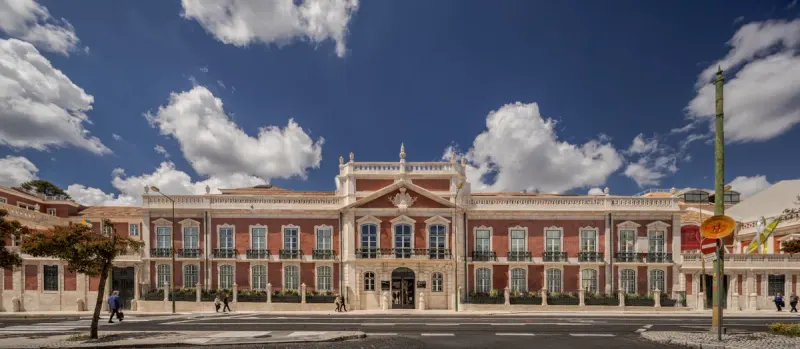
MACAM - Museu de Arte Contemporânea Armando Martins
MACAM - Museu de Arte Contemporânea Armando Martins features contemporary art in a relaxed setting. It's an affordable way to appreciate modern creativity.
🎨 Museum⏱ 1–2 hours⭐ 8/10📍 City Center
View details →
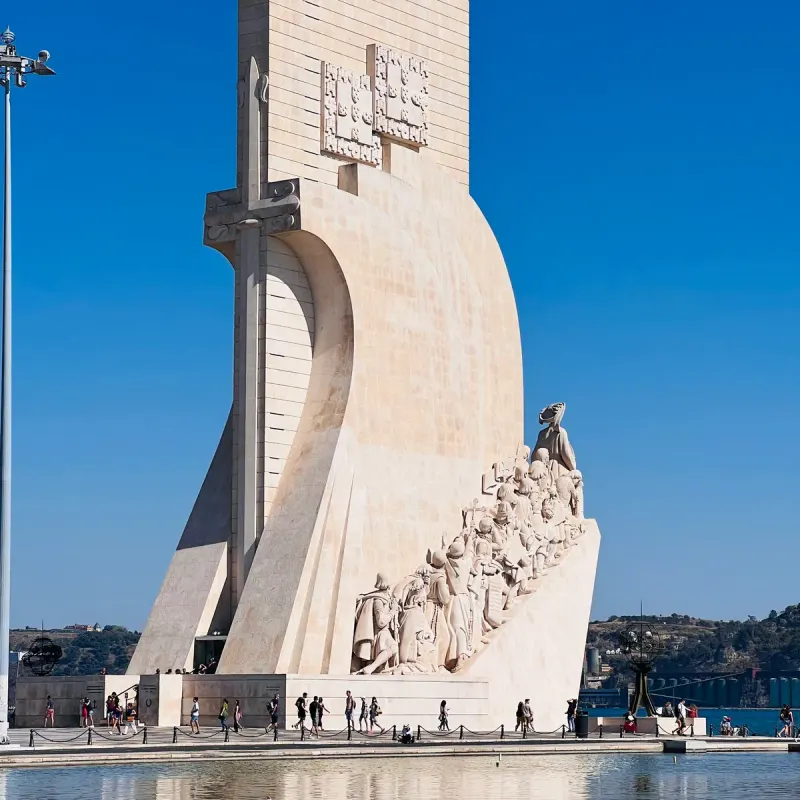
Monument to the Discoveries
The Monument to the Discoveries is a striking tribute to Portugal's explorers. It's a great place to reflect on history while enjoying the scenic riverside.
🎨 Attraction⏱ 1–2 hours⭐ 8/10📍 City Center
View details →

Núcleo Arqueológico da Rua dos Correeiros (Fundação Millennium bcp)
Núcleo Arqueológico da Rua dos Correeiros offers an insight into Lisbon's archaeological history. Explore the remnants of the past without spending much.
🎨 Museum⏱ 1–2 hours⭐ 8/10📍 City Center
View details →

The National Museum of Contemporary Art
The National Museum of Contemporary Art showcases modern artistic expressions in a welcoming environment. Admission is often budget-friendly, making it accessible for all art lovers.
🎨 Museum⏱ 1–2 hours⭐ 8/10📍 City Center
View details →

Museu de Lisboa - Teatro Romano
Museu de Lisboa - Teatro Romano invites you to discover the ancient history of Lisbon. The site is a fascinating glimpse into the city's past, perfect for history buffs on a budget.
🎨 Museum⏱ 1–2 hours⭐ 8/10📍 City Center
View details →
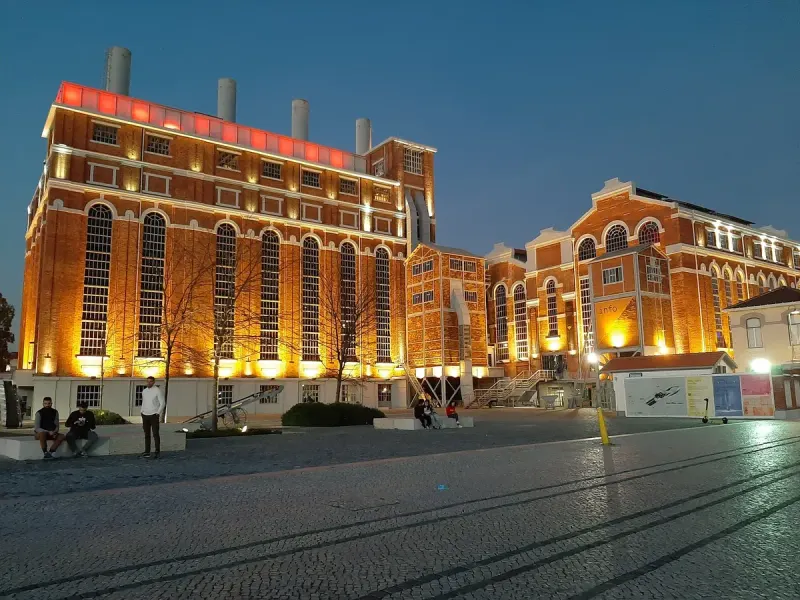
Tejo Power Station
The Tejo Power Station is an intriguing site that showcases the industrial history of Lisbon. Its unique architecture and location along the river make it a great spot for a leisurely stroll.
🎨 Museum⏱ 1–2 hours⭐ 8/10📍 City Center
View details →
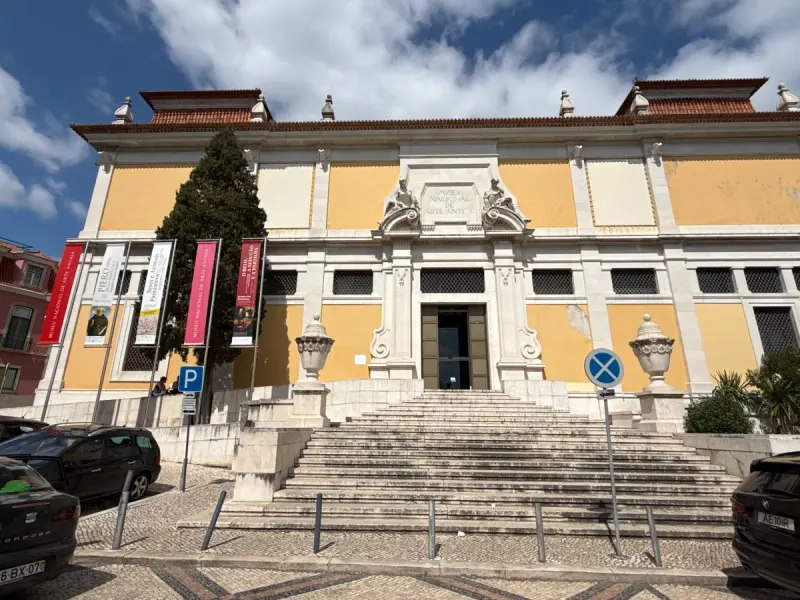
National Museum of Ancient Art
At the National Museum of Ancient Art, you can explore a rich collection of Portuguese art without breaking the bank. The museum's stunning architecture and serene atmosphere provide a lovely setting for art enthusiasts.
🎨 Museum⏱ 1–2 hours⭐ 8/10📍 City Center
View details →
Museums & galleries in Lisbon
Structured by type for long-tail museum searches — plan 2–4 hours per major institution.
Art Museums

Arpad Szenes - Vieira da Silva Foundation
Celebrates the works of two renowned artists in an intimate setting.
⏱ 1-2 hours⭐ 9/10💰 €6
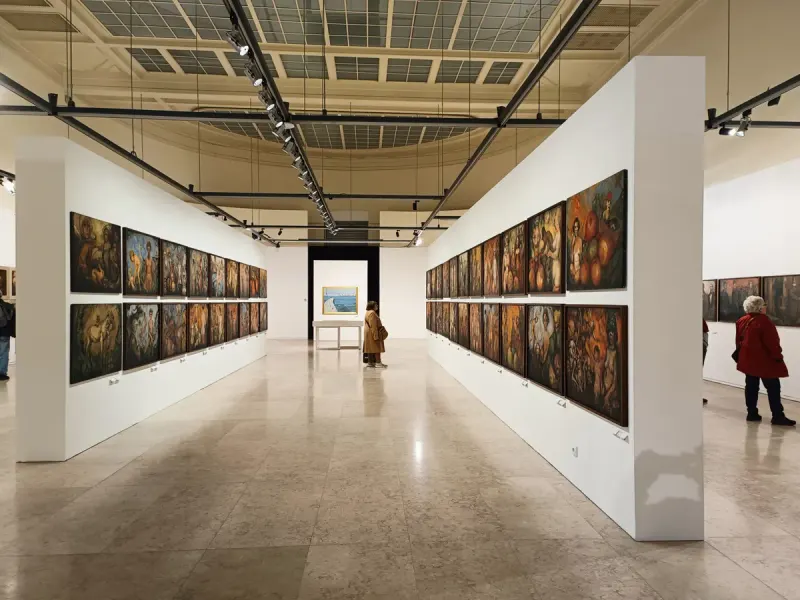
Sociedade Nacional de Belas Artes
A cultural institution dedicated to promoting visual arts.
⏱ 1-2 hours⭐ 8/10💰 €5

Atelier Museu Júlio Pomar
Showcases the works of celebrated Portuguese painter Júlio Pomar.
⏱ 1-2 hours⭐ 8/10💰 €5
History Museums
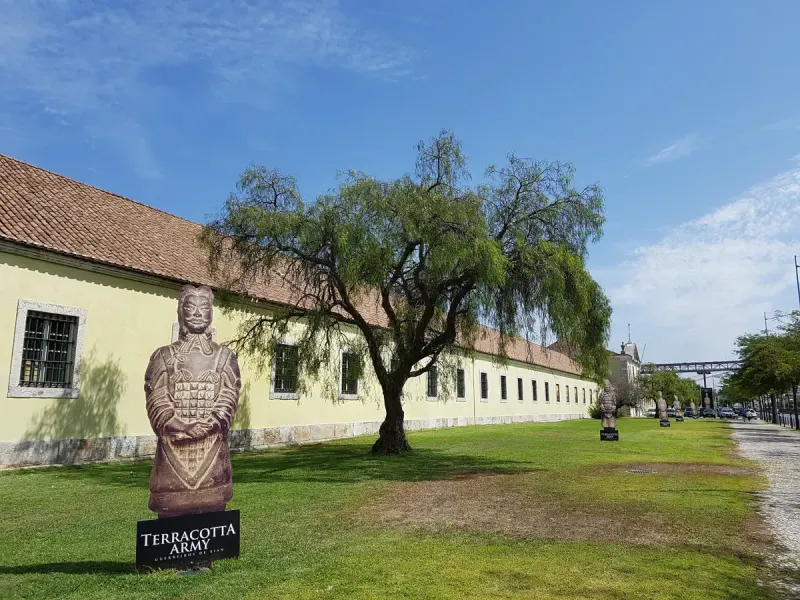
Cordoaria Nacional
Reflects Portugal's maritime heritage with beautiful architecture.
⏱ 1-2 hours⭐ 9/10💰 €5

Museu do Tesouro Real
Offers a glimpse into Portugal's royal history through impressive artifacts.
⏱ 1-2 hours⭐ 10/10💰 €8
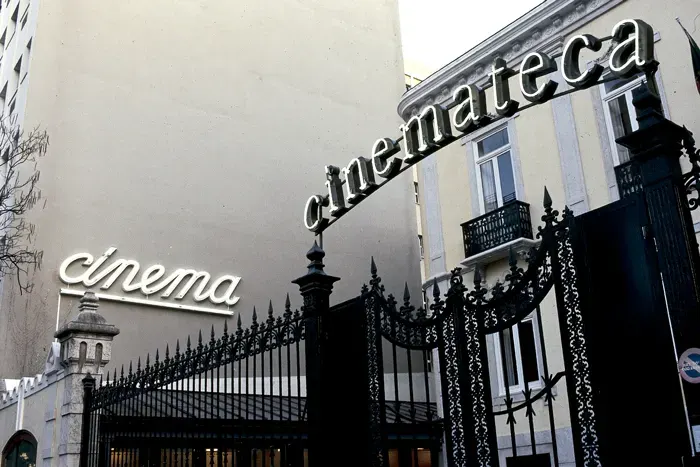
Cinemateca Portuguesa - Museu do Cinema
Dedicated to the art of film, showcasing its history.
⏱ 1-2 hours⭐ 9/10💰 €6

Machu Picchu: Journey to the Lost City - Lisbon
An immersive experience into the wonders of the ancient Incan civilization.
⏱ 1-2 hours⭐ 10/10💰 €10
Contemporary & Independent Art

Museu Banksy - Lisbon
Showcases the iconic street artist's work in a vibrant setting.
⏱ 1-2 hours⭐ 10/10💰 €10

Architecture & heritage in Lisbon
From merchant houses to modern design — how building styles reveal the city's history.
Manueline
Late 15th to early 16th century
A unique Portuguese style characterized by intricate maritime motifs.
Examples: Jerónimos Monastery, Belém Tower
Gothic
12th to 16th century
Known for its pointed arches and ribbed vaults.
Examples: Lisbon Cathedral
Baroque
17th to 18th century
Features grandeur and dramatic use of light and shadow.
Examples: Basilica of Estrela
Neoclassical
18th to 19th century
Inspired by classical antiquity, emphasizing symmetry and simplicity.
Examples: Teatro Nacional de São Carlos
Local traditions & lifestyle in Lisbon
Insider-level customs — origin, modern meaning and where to experience them today.
Fado
- Origin
- Originated in the early 19th century in Lisbon's neighborhoods.
- Modern meaning
- Reflects the soul of the city, expressing longing and nostalgia.
- Where to experience
- Visit local Fado houses in Alfama or Bairro Alto.
Sardine Festival
- Origin
- Celebrates the Feast of St. Anthony in June.
- Modern meaning
- A vibrant street festival with music, food, and community spirit.
- Where to experience
- Alfama and Bairro Alto during June.
Tile Art (Azulejos)
- Origin
- A traditional craft dating back to the Moorish period.
- Modern meaning
- Decorative tiles that adorn buildings, telling stories of history.
- Where to experience
- Explore neighborhoods like Alfama and Mouraria.
Festivals & cultural events in Lisbon
Seasonal highlights that reshape the city — plan around dates for the richest cultural experience.
Festa de Santo António
June
A lively celebration with parades and street parties.
👥 All ages💰 Free⭐ Honors the patron saint of Lisbon with traditional festivities.
Lisbon Book Fair
May-June
A gathering for literature lovers with book signings and readings.
👥 Book enthusiasts💰 Varies⭐ Promotes Portuguese literature and culture.
Lisbon Music Festival
Summer · Typically June–August (verify yearly)
Features international and local artists across genres.
👥 Music lovers💰 Varies⭐ Celebrates the city's vibrant music scene.
Cultural itineraries in Lisbon
Ready-made routes from one-day highlights to deep three-day immersion and alternative repeat-visitor paths.
1 day
A Day of Culture in Lisbon
- 09:30Visit Museu Banksy - Lisbon
- 11:30Explore Jerónimos Monastery
- 13:00Lunch at a local café
- 14:30Wander through LX Factory
- 16:00Visit the Cinemateca Portuguesa - Museu do Cinema
- 18:00Dinner in Alfama
3 days
3-Day Deep Culture in Lisbon
- 09:00Visit Museu do Tesouro Real
- 11:00Explore Castelo de São Jorge
- 13:00Lunch at a historic restaurant
- 14:30Visit Lisbon Cathedral
- 16:00Stroll through Praça da Figueira
- 09:00Visit Arpad Szenes - Vieira da Silva Foundation
- 11:00Explore B-MAD
- 13:00Lunch in Chiado
- 14:30Visit Sociedade Nacional de Belas Artes
- 16:00Relax at Fonte Luminosa
- 09:00Explore LX Factory
- 11:00Visit Cinemateca Portuguesa - Museu do Cinema
- 13:00Lunch at a trendy café
- 14:30Visit Museu Banksy - Lisbon
- 16:00Enjoy an evening at a Fado house
Alternative Culture Route
For Repeat Visitors
- 09:30Visit Atelier Museu Júlio Pomar
- 11:30Explore Cordoaria Nacional
- 13:00Lunch at a local eatery
- 14:30Visit the Museu do Tesouro Real
- 16:00Stroll through Cais das Colunas
Flagship Lisbon museums cap daily entries — book the timed slots on these routes first.
Book the paid stopsUnderstanding Lisbon culture
Deep context for broad searches — history, art, identity and etiquette before you explore.
History That Shaped The City
Lisbon's history is rich and complex, influenced by various civilizations over centuries. From the Moors to the Age of Discoveries, each era has left its mark on the city's landscape and culture. The maritime heritage is particularly significant, as Lisbon became a hub for explorers during the 15th and 16th centuries. This historical backdrop is reflected in the architecture of landmarks like the Jerónimos Monastery and Belém Tower, both UNESCO World Heritage Sites.
Art Movements
The art scene in Lisbon is a vibrant tapestry of traditional and contemporary influences. The city has nurtured a diverse range of artistic expressions, from the classic works displayed in the Museu do Tesouro Real to the innovative pieces found in contemporary spaces like B-MAD and Museu Banksy. This blend of old and new reflects Lisbon's dynamic cultural identity, making it a hotspot for artists and art lovers alike.
Architecture Evolution
Lisbon boasts a fascinating architectural evolution, showcasing styles from Gothic to Manueline and Baroque. Each style tells a story of the city's past, with the Gothic Lisbon Cathedral standing as a testament to its medieval roots, while the Manueline Jerónimos Monastery illustrates the wealth of the Age of Discoveries. This architectural diversity not only beautifies the city but also serves as a reminder of its historical significance.
Local Identity
Lisbon's local identity is deeply intertwined with its neighborhoods, each offering a unique glimpse into the city's culture. Areas like Alfama and Bairro Alto are known for their traditional Fado music, while LX Factory represents the contemporary creative scene. This blend of old and new creates a rich cultural fabric, allowing visitors to experience the authentic spirit of Lisbon through its people, food, and traditions.
Traditions & Customs
Lisbon is a city steeped in traditions that reflect its rich cultural heritage. From the soulful sounds of Fado to the vibrant celebrations during the Festa de Santo António, these customs bring the community together. Visitors can immerse themselves in these experiences by attending local festivals, exploring traditional markets, and enjoying the culinary delights that define Lisbon's gastronomy.
Modern Cultural Scene
The modern cultural scene in Lisbon is thriving, characterized by a blend of innovation and tradition. Contemporary art spaces like LX Factory and B-MAD challenge conventional norms, while festivals and events celebrate both local and international artists. This dynamic atmosphere fosters creativity and encourages collaboration, making Lisbon a hub for artistic exploration and cultural exchange.
Cultural Etiquette
Understanding cultural etiquette is essential for a respectful experience in Lisbon. Greetings typically involve a friendly handshake, and it's customary to say 'Bom dia' (Good morning) or 'Boa tarde' (Good afternoon). When dining, it's polite to wait for the host to begin the meal. Additionally, showing appreciation for local customs, such as Fado music, enhances interactions with locals and deepens the cultural experience.
10 common cultural trip mistakes in Lisbon
Stereotypes that waste time — and how to experience the city more deeply.
1. Museum-Only Focus
Focusing solely on museums overlooks the vibrant neighborhoods and living culture of Lisbon.
2. Skipping Neighborhoods
Neglecting to explore local neighborhoods means missing out on authentic experiences and traditions.
3. History-Only Itinerary
An itinerary focused only on historical sites ignores contemporary cultural expressions.
4. No Festival Planning
Failing to check local festivals can lead to missing vibrant cultural experiences.
5. No Ticket Booking
Not booking tickets in advance for popular attractions can result in long waits or missed opportunities.
6. Tourist-Zone-Only Visits
Sticking to tourist zones limits exposure to the true essence of Lisbon's culture.
7. Ignoring Local Cuisine
Overlooking local culinary experiences means missing a key aspect of Lisbon's culture.
8. Not Engaging with Locals
Avoiding interactions with locals can result in a less enriching cultural experience.
9. Rushing Through Attractions
Hurrying through attractions prevents meaningful engagement with Lisbon's history and culture.
10. Neglecting Cultural Etiquette
Ignoring local customs and etiquette can lead to misunderstandings and missed connections with locals.
Frequently asked questions
FAQ for Lisbon Culture Guide: Art, History & Local Traditions (2026)
What is Lisbon famous for culturally?
Lisbon is famous for its rich history, vibrant street art, traditional Fado music, and diverse architectural styles, including Manueline and Gothic.
Are there any UNESCO sites in Lisbon?
Yes, notable UNESCO sites in Lisbon include Jerónimos Monastery and Belém Tower, both significant for their historical and architectural value.
Which neighborhoods are best for experiencing Lisbon's culture?
Alfama, Bairro Alto, and Belém are some of the best neighborhoods to experience Lisbon's culture, offering a mix of history, art, and local traditions.
What are some local traditions in Lisbon?
Local traditions include Fado music performances, the celebration of Santo António in June, and the culinary custom of enjoying pastéis de nata.
How can I book museum tickets in Lisbon?
Museum tickets can be booked online through ticket options or at the museum entrance, but online booking is recommended to avoid long queues.
What is the cultural etiquette in Lisbon?
When visiting, it's polite to greet with a handshake, say 'obrigado' for thank you, and be respectful in religious sites by dressing modestly.
What cultural festivals occur in Lisbon?
Lisbon hosts various cultural festivals, including the Festas de Santo António in June, the Lisbon Book Fair in May, and the Lisbon Music Festival in September.
What are the best museums to visit in Lisbon?
Some of the best museums include the Museu do Tesouro Real, Museu Banksy, and the Cinemateca Portuguesa, each showcasing unique aspects of Portuguese culture.
What is the architectural style of Jerónimos Monastery?
Jerónimos Monastery is a prime example of Manueline architecture, characterized by intricate maritime motifs and elaborate detailing.
Where can I find contemporary art in Lisbon?
Contemporary art can be found at places like LX Factory and B-MAD, showcasing innovative works and installations by local and international artists.
Are there UNESCO World Heritage sites in Lisbon?
Check the architecture and highlights sections for verified UNESCO-listed districts, monuments or historic ensembles in and around Lisbon.
Which neighborhoods have the strongest cultural identity?
Historic cores and museum quarters anchor first visits; residential and creative districts reveal how locals actually live and make art.
How many days do you need for culture in Lisbon?
Two days covers flagship museums and old town walks; three to four days allow festivals, independent galleries and deeper neighborhood time.
Do I need to book museum tickets in advance?
For top-tier national museums yes — timed entry prevents queue fatigue. Smaller municipal museums often allow same-day tickets.
What is the best season for cultural travel to Lisbon?
Spring and autumn balance comfortable walking weather with festival seasons. Winter suits museum-heavy itineraries.
Are there free cultural attractions in Lisbon?
Many cities offer free historic districts, churches, markets and select museum hours — see the highlights and traditions sections.
Is Lisbon good for architecture lovers?
Use the architecture section to trace the city's verified local styles, landmark buildings and periods of urban change.
Where can I experience local traditions?
Markets, traditional cafés, public holidays and neighborhood festivals are strong entry points — not souvenir shops on main squares.
Is this culture guide updated for 2026?
Yes — museum tips, festival calendars and neighborhood picks are refreshed for the current year.
More culture guides beyond Lisbon
Compare museums, heritage districts and local traditions in other TripByMood destinations.
Get free Lisbon culture guide
Offline cultural map, museum shortlist, festival calendar and itinerary timeline — coming soon.
PDF export launches soon — bookmark this guide meanwhile.
Book your cultural Lisbon trip
Museum passes, guided tours and audio guides — affiliate links help keep this guide free.
Museum Passes for Lisbon
City cards and multi-museum tickets for skip-the-line entry.
Compare passes →Cultural Tours in Lisbon
Expert-led walks through historic districts and museum quarters.
Book tour →Audio Guides for Lisbon
Self-paced museum and architecture commentary on your phone.
Get audio guide →Concert Tickets in Lisbon
Opera, classical and live venues that sell out weeks ahead.
See what is on →